How to Start a Book Blog and Make Money: A Beginner’s Guide
Published: 24 Oct 2026
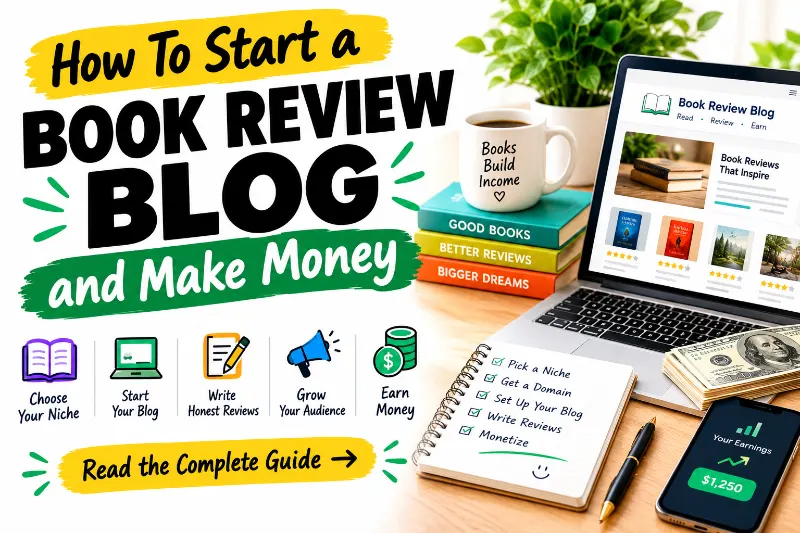
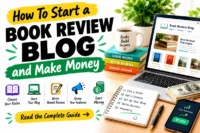
You can start a book blog by choosing a reading niche, setting up a website, publishing useful book reviews, and attracting readers through Pinterest and Google. You can earn money through affiliate links, sponsored posts, digital products, and other blogging methods as your audience grows.
Do you love reading books and sharing your thoughts about them? A book blog lets you turn that interest into useful content for other readers. But how do you start a book blog and make money without wasting time or money? This guide explains how to choose your niche, build your website, attract visitors, and explore ways to earn from your content.
Why Is Starting a Book Blog Worth Considering?
A book blog gives you a place to share reviews, reading lists, recommendations, and lessons from your favorite books. It can also grow into a small online business if you publish useful content consistently.
- Help readers find books that match their interests.
- Build writing, content marketing, and SEO skills.
- Create income opportunities as your audience grows.
1. Choose a Book Niche That Fits Your Interests
A clear niche helps readers understand what your blog offers. Instead of writing about every book, focus on a category you enjoy and can cover regularly.
- Pick a subject you enjoy reading.
- Research what your target readers want.
- Choose a niche with enough topics for future posts.
Which Book Blog Niches Can You Choose?
Your niche shapes your content, audience, and earning options. Choose a topic that gives readers a clear reason to visit your website.
- Fiction and fantasy book reviews
- Romance novels and reading lists
- Personal development and business books
- Children’s books and parenting recommendations
For example, you could create a blog about beginner-friendly personal development books. You could review popular titles, compare books about building habits, and recommend reading lists for students.
How Can You Check If Your Niche Has Potential?
Before you build your site, check whether people search for your topic. This helps you find useful article ideas and understand the competition.
- Search your topic on Google.
- Explore book-related searches on Pinterest.
- Check competitor blogs for content gaps.
- List 20 possible article ideas.
2. Pick a Memorable Name and Domain
Your blog name should be easy to spell, remember, and connect with books. A simple name also helps readers recognize your website when they see your pins or search results.
- Brainstorm names related to your niche.
- Check domain availability before deciding.
- Choose a name that allows future growth.
What Makes a Good Book Blog Name?
A good name tells readers what your site is about without making it difficult to remember. Avoid long phrases, confusing spellings, and names that limit your future topics.
- Keep the name short.
- Make it easy to pronounce.
- Avoid unnecessary numbers and hyphens.
- Check matching social media usernames.
Example: A name like The Reading Corner suggests a friendly place for book lovers. Check domain and trademark availability before using any name.
3. Choose a Blogging Platform and Set Up Your Website
Your blogging platform controls how you publish and manage content. For a blog you want to grow over time, consider your budget, design needs, SEO options, and control over your website.
- Compare hosted and self-hosted platforms.
- Choose a suitable hosting plan if needed.
- Connect your domain and install your platform.
Is WordPress a Good Choice for a Book Blog?
WordPress is a popular option for bloggers who want control over their website and room to grow. Self-hosted WordPress requires separate hosting, while some other platforms include hosting in their plans.
- Choose a reliable hosting provider.
- Install WordPress if it fits your needs.
- Set up your site title and basic settings.
- Enable an SSL certificate for secure browsing.
Example: A beginner who wants to publish book reviews, add affiliate links, and build search traffic may prefer a platform that supports these features without requiring a full website rebuild later.
What Basic Pages Should Your Blog Have?
Readers need to understand who runs your website and how to contact you. Clear pages also help you explain your content, policies, and affiliate relationships.
- About page
- Contact page
- Privacy policy
- Affiliate disclosure, when applicable
4. Design a Simple Website That Readers Can Use
A clean website helps visitors find reviews and reading recommendations without confusion. You do not need expensive design tools to create a professional-looking book blog.
- Choose a mobile-friendly theme.
- Use readable fonts and clear headings.
- Keep the menu simple.
- Add a consistent logo and color palette.
How Can You Create a Book Blog Logo?
You can use Canva or another design tool to create a simple logo. Choose a style that matches your niche instead of adding too many decorative elements.
- Start with a simple logo template.
- Use one or two main colors.
- Choose an easy-to-read font.
- Save a clear version for your website.
Which Website Features Matter Most?
Readers should be able to find a review or recommendation quickly. Focus on useful features before adding extra design elements.
- Add a search bar.
- Organize posts by book category.
- Display related articles.
- Check that pages load properly on mobile devices.
5. Plan Your Book Blog Content Before Publishing
A content plan helps you publish with purpose instead of guessing what to write next. Mix reviews with reading lists, comparisons, and practical guides that answer real reader questions.
- Create a list of reader problems.
- Research keywords for each article.
- Plan a realistic publishing schedule.
Which Book Blog Posts Should You Write First?
Start with posts that answer clear questions and help readers make decisions. You can expand your content as you learn which topics attract visitors.
- Honest reviews of individual books
- Book recommendations for specific readers
- Comparisons of similar books
- Reading challenges and themed book lists
Example: Instead of writing only “My Favorite Books,” create a useful post such as “10 Beginner-Friendly Books About Building Better Habits.” The second topic gives readers a clearer reason to click.
6. Write Helpful Reviews That Readers Can Trust
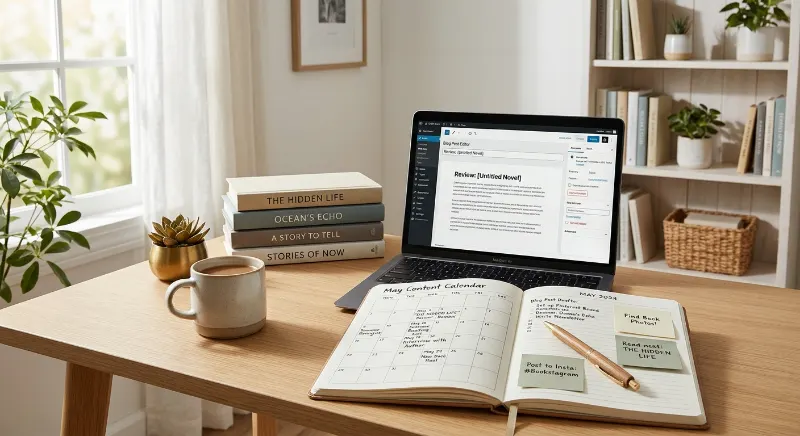
A good review explains what a book offers and who may enjoy it. Readers need more than a plot summary; they want enough detail to decide whether the book suits their needs.
- Introduce the book and its author.
- Explain its main ideas without revealing key spoilers.
- Share your genuine opinion and clear reasons.
- Identify the type of reader who may enjoy it.
What Should You Include in a Book Review?
A repeatable review structure makes writing easier and helps readers find important details. Keep your review balanced, specific, and honest.
- Book title, author, and genre
- Short, spoiler-free summary
- Strengths and weaknesses
- Final recommendation for suitable readers
If you have read the book, include your real observations and favorite lessons. Never claim to have read a book or tested a product when you have not.
How Can You Make Your Reviews More Useful?
Add information that helps readers compare books and choose their next read. Simple details can make your review more valuable than a short opinion.
- Explain the book’s reading level.
- Mention its main themes.
- Compare it with a related title.
- Answer common reader questions.
7. Use SEO to Help People Find Your Book Blog
Search engine optimization (SEO) means improving your content so search engines can understand it and show it to relevant readers. It helps you reach people who are already looking for book reviews and recommendations.
- Research specific book-related search terms.
- Write clear titles and headings.
- Use descriptive URLs and image alt text.
How Do You Find Keywords for Book Reviews?
Keyword research means finding the words people use when searching online. Choose phrases that match the book, reader, and question your article answers.
- Check Google autocomplete suggestions.
- Explore related searches on Google.
- Use Pinterest search suggestions for topic ideas.
- Target specific phrases with clear intent.
For example, “best books for beginner bloggers” targets a more specific need than “books.” Use related phrases naturally in your title, introduction, headings, and article body.
How Can You Improve Your Blog Posts for SEO?
Search-friendly content should answer the reader’s question clearly. Avoid repeating the same keyword in every paragraph.
- Write a descriptive page title.
- Add useful internal links.
- Compress images before uploading them.
- Make your website easy to navigate.
You can also read our guide to writing a blog income report to understand how bloggers can document and explain their income. Use real figures and clear explanations if you publish your own report.
8. Bring Visitors to Your Book Blog Through Pinterest and Google
Publishing an article is only the first step. You also need ways to help readers discover it, especially when your blog is new and has few returning visitors.
- Create vertical Pinterest pins for useful articles.
- Publish content that answers search questions.
- Share relevant posts with reading communities.
How Can Pinterest Help a Book Blog Grow?
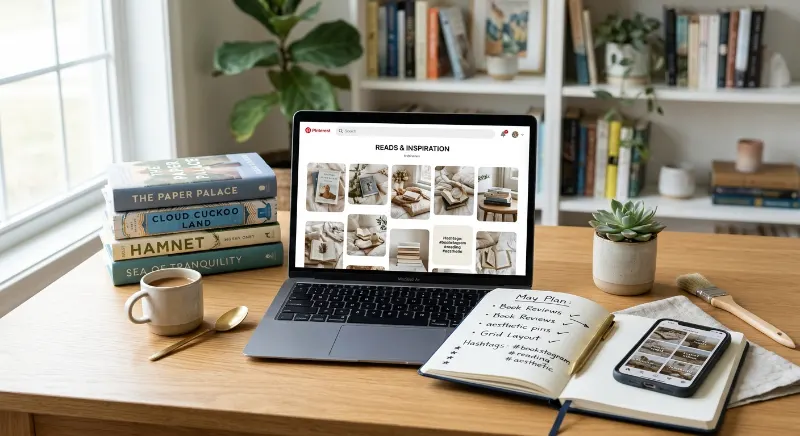
Pinterest works as a visual discovery platform where people search for ideas, recommendations, and inspiration. Helpful pins can introduce your articles to readers interested in books.
- Design clear pins with readable headlines.
- Create separate pins for different article angles.
- Link every pin to the relevant blog post.
- Use accurate descriptions and relevant topics.
How Can Google Bring Readers to Your Website?
Google can send visitors to articles that match their searches. Useful content, clear page structure, and good website performance can support your long-term search visibility.
- Publish original, detailed articles.
- Answer specific reader questions.
- Connect related posts with internal links.
- Review indexing and search performance in Google Search Console.
Search results take time to develop, and rankings are not guaranteed. Focus on helping readers rather than chasing quick traffic.
9. Explore Different Ways to Make Money From a Book Blog
A book blog can earn money through several methods, but income depends on traffic, reader trust, suitable offers, and consistent work. Start with methods that fit your content and audience.
- Explore book affiliate programs.
- Consider sponsored content when your blog is established.
- Create useful digital products for readers.
Can You Earn Through Book Affiliate Marketing?
Affiliate marketing lets you earn a commission when a reader makes a qualifying purchase through your tracked link. Commission rates and program rules vary, so review the terms before joining.
- Research relevant book affiliate programs.
- Apply to programs that suit your audience.
- Add links where they genuinely help readers.
- Disclose affiliate relationships clearly.
Example: A review of a beginner’s writing book could include an affiliate link to the book. If a reader buys through that link and the purchase qualifies under the program’s rules, you may earn a commission.
Can You Make Money Through Sponsored Posts?
Publishers, authors, and book-related brands may pay bloggers for suitable promotional content. These opportunities depend on audience fit, engagement, and the value your website offers.
- Build a clear portfolio of reviews.
- Create a page describing your services.
- Contact relevant authors or publishers.
- Label paid content clearly.
Never promise positive reviews in exchange for payment. Protect your readers’ trust by sharing honest opinions.
What Digital Products Can a Book Blogger Sell?
Digital products let you create useful resources for readers. They can complement your articles and give your audience something they can use beyond a book review.
- Printable reading trackers
- Book review templates
- Reading challenge planners
- Themed book recommendation guides
Start with one simple product that solves a clear problem. You can also learn about saving money on rent to explore practical budgeting ideas while planning your blog expenses.
10. Track Your Progress and Improve Your Blog
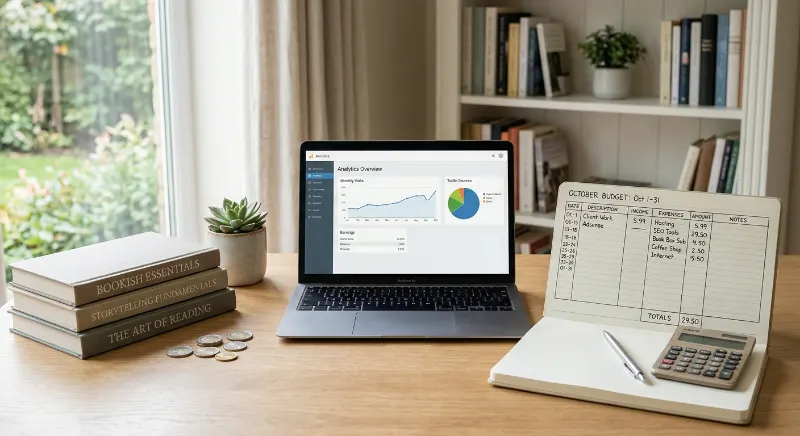
A new book blog needs time to find its audience. Track useful signs of progress and use them to decide which content deserves more attention.
- Review traffic and popular articles.
- Monitor Pinterest engagement.
- Update old posts when needed.
Which Metrics Should You Check?
Metrics are measurements that help you understand how your website performs. You do not need to track every number when you are starting.
- Organic clicks and impressions
- Visits to individual articles
- Affiliate link clicks
- Email sign-ups, if you have a newsletter
How Can You Keep Your Blogging Costs Under Control?
A book blog can start with a simple setup. Avoid buying tools or services before you understand what your website needs.
- Set a basic monthly budget.
- Track hosting and tool costs.
- Use free tools when they meet your needs.
- Reinvest carefully as your blog grows.
If you are a student starting with limited funds, our guide to saving money for students may help you plan your spending. You can also explore money-saving tricks and the $1,000 monthly challenge for more budgeting ideas.
Frequently Asked Questions
1. Can You Start a Book Blog With No Experience?
Yes. You can begin with basic writing skills and a genuine interest in books. Learn website setup, review writing, and SEO as you publish helpful content.
2. How Much Does It Cost to Start a Book Blog?
The cost depends on your platform, domain, hosting, and optional tools. A self-hosted website usually has ongoing expenses, so check current prices before choosing a plan.
3. How Long Does It Take to Make Money From a Book Blog?
There is no fixed timeline. Some blogs may earn early commissions, while others need months or longer to attract suitable traffic. Income is never guaranteed.
4. Do You Need to Read Every Book You Review?
For a genuine personal review, you should read the book and explain your own experience. If you create a research-based book overview without reading the full book, describe it accurately and do not present it as a personal review.
5. Is Pinterest or Google Better for a Book Blog?
Both can help. Pinterest can introduce readers through visual recommendations, while Google can bring people searching for specific books and questions. You can use both channels together.
Conclusion
Starting a book blog takes a clear niche, a useful website, honest reviews, and a steady plan for attracting readers. You can explore affiliate marketing, sponsored content, and digital products as your blog develops.
You do not need to do everything at once. Start with one useful article and improve your website step by step.
What book topic would you enjoy writing about first? Choose your niche today, plan your first review, and publish when it is ready.





- Be Respectful
- Stay Relevant
- Stay Positive
- True Feedback
- Encourage Discussion
- Avoid Spamming
- No Fake News
- Don't Copy-Paste
- No Personal Attacks
- Be Respectful
- Stay Relevant
- Stay Positive
- True Feedback
- Encourage Discussion
- Avoid Spamming
- No Fake News
- Don't Copy-Paste
- No Personal Attacks
