How to Save Money on Rent: Practical Ways to Lower Your Monthly Housing Costs
Published: 5 Oct 2026

Rent can take a large part of your monthly income. This can make it hard to save money, pay bills, or reach other financial goals. The good news is that you do not always need a higher income to improve your budget. Small changes in where and how you live can lower your monthly costs.
This guide explains practical ways to save money on rent without making your daily life difficult. You will learn how to find cheaper housing, negotiate rent, reduce living costs, and keep more money in your pocket.
1. Compare Several Rental Options Before You Decide
The first apartment you find may not be the best deal. Rental prices can vary a lot between buildings, streets, and neighborhoods. Take time to compare several options before signing a lease. Look at the full monthly cost, not only the advertised rent, because extra fees can change the real price.
- Compare at least three to five rental properties.
- Check the monthly rent for similar apartments.
- Ask about utility, parking, and maintenance fees.
- Compare properties in nearby neighborhoods.
- Check what services the rent already includes.
- Calculate the total monthly housing cost before choosing.

2. Try to Negotiate a Better Rental Price
Many renters assume the advertised rent is fixed, but that is not always true. A landlord may offer a small discount when the property has been empty for a while. You may also get a better deal by offering a longer lease or showing that you are a reliable tenant.
- Ask politely if the rent is negotiable.
- Mention similar cheaper properties in the area.
- Offer a longer lease if it suits your plans.
- Ask about discounts for paying rent on time.
- Look for move-in promotions or reduced fees.
- Get any agreed discount written into the lease.
3. Choose a Home That Matches Your Real Needs
A bigger home often means a bigger monthly bill. You may not need an extra bedroom, large living room, or premium building features. Choosing a smaller apartment can reduce rent and may also lower electricity, heating, cooling, and cleaning costs.
- Consider a studio instead of a one-bedroom apartment.
- Choose useful space over extra rooms.
- Avoid paying more for features you rarely use.
- Compare smaller units in the same neighborhood.
- Think about your current lifestyle before renting.
- Use the money saved for debt payments or savings.
4. Consider Sharing Your Home With a Roommate
A roommate can make a major difference when rent is high. Instead of paying the full housing cost alone, you can share rent and some household bills. This option works best when you choose someone with similar habits and clearly agree on expenses before moving in.
- Split rent with a trusted roommate.
- Share internet and utility costs.
- Agree on household responsibilities.
- Discuss quiet hours and guests before moving in.
- Create a clear plan for shared expenses.
- Put important rental agreements in writing.
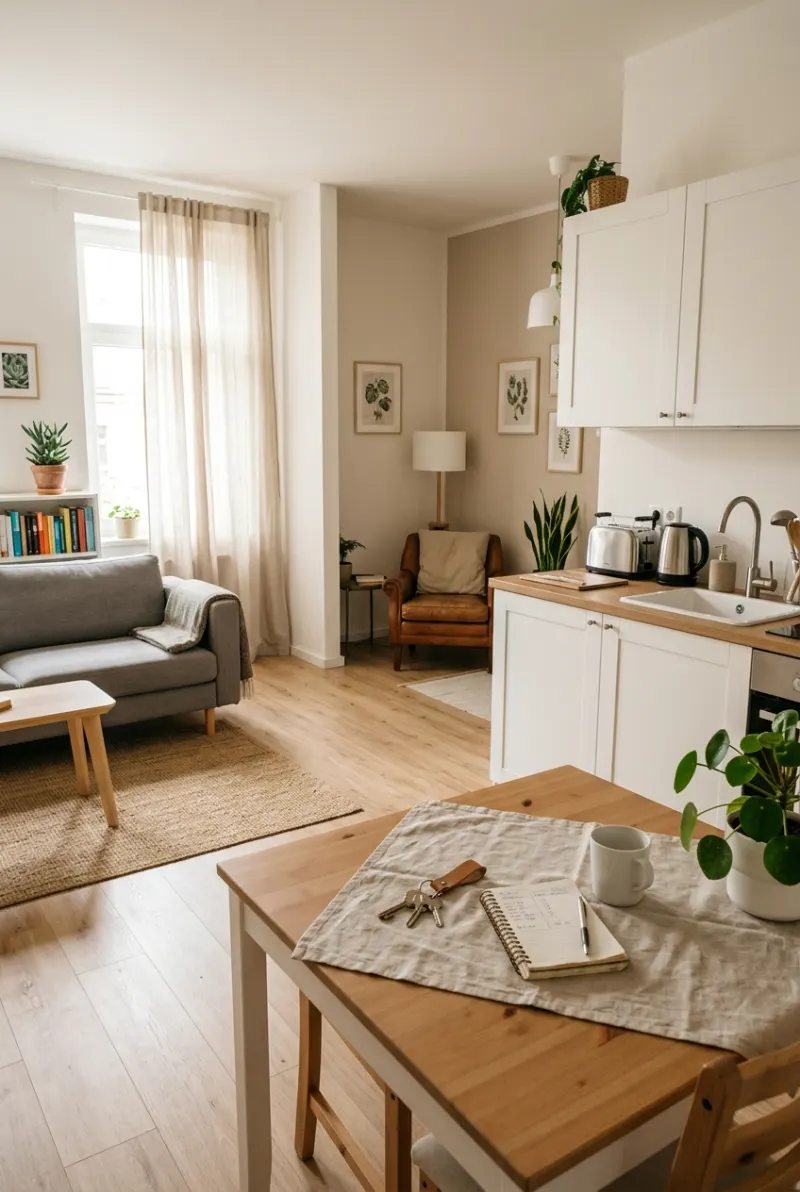
A Simple Personal Example
I have seen how quickly housing costs can affect a monthly budget. When rent takes too much income, even small expenses start to feel stressful. A smaller place or shared home can free up money for savings. The key is choosing a home that fits your income, not one that only looks attractive.
5. Explore Less Expensive Areas Near Your Preferred Location
You do not always need to live in the most popular part of a city. A neighborhood that is one or two areas away may offer lower rent while still keeping you close to work, school, shops, or public transport. Check travel costs before making the final decision.
- Search nearby neighborhoods with lower average rent.
- Compare transportation costs with rent savings.
- Check access to buses, trains, or other transport.
- Look at safety and local services.
- Consider areas slightly farther from busy centers.
- Calculate the complete monthly cost before moving.
6. Look at Different Types of Rental Homes
Traditional apartments are not your only option. Depending on your location, you may find lower-cost choices such as basement units, ground-floor apartments, older buildings, or small private units. These homes may offer fewer features, but they can work well for renters who want to lower housing costs.
- Compare basement and ground-floor rental units.
- Check older buildings for lower rental prices.
- Look at private units instead of luxury complexes.
- Ask about included utilities.
- Check the condition before signing a lease.
- Make sure the cheaper option meets your basic needs.
7. Set a Rent Limit Before You Start Searching
It is easier to avoid expensive rentals when you decide your housing limit first. Review your income, bills, savings goals, and other monthly costs. Then set a rent amount that leaves enough money for food, transport, emergencies, and future plans.
- Calculate your monthly take-home income.
- List your fixed monthly expenses.
- Set a maximum rent amount.
- Leave room for utilities and other housing costs.
- Include savings in your monthly plan.
- Avoid choosing a home that stretches your budget.
8. Reduce Your Other Monthly Living Costs
Saving money on rent does not only mean finding a cheaper apartment. Your total housing cost also includes electricity, internet, food, transport, and other daily expenses. Cutting these costs can make your current rent easier to manage while you work toward bigger financial goals.
- Turn off lights and devices when you do not use them.
- Compare internet plans before renewing your contract.
- Cook more meals at home.
- Buy basic household items in planned trips.
- Reduce unnecessary subscriptions.
- Track small daily purchases that add up.
9. Build Automatic Savings After Paying Rent
Saving money can become difficult when you wait until the end of the month. Rent and other bills usually take priority, leaving little money behind. Set an automatic transfer soon after receiving your income. Even a small amount can build a useful emergency fund over time.
- Choose a fixed amount you can save each month.
- Set an automatic transfer after payday.
- Start with a small amount if your budget is tight.
- Keep emergency savings separate from daily spending.
- Increase the amount when your income grows.
- Use savings for planned needs instead of impulse purchases.
10. Avoid Moving Without Calculating the Full Cost
A cheaper apartment does not always mean a cheaper lifestyle. Moving can bring costs such as deposits, transportation, furniture, repairs, and new utility connections. Before changing homes, compare these one-time costs with your expected monthly savings.
- Calculate the moving cost before making a decision.
- Include the security deposit in your calculation.
- Check transportation costs from the new location.
- Add possible furniture and setup expenses.
- Compare one-year savings with moving costs.
- Move only when the numbers make sense.
11. Use Rent Savings to Improve Your Financial Position
Saving on rent gives you an opportunity to do more than simply spend less. You can use the extra money to build an emergency fund, pay off debt, or save for a future goal. Giving your rent savings a clear purpose can make the effort more rewarding.
- Build an emergency fund.
- Pay extra toward high-interest debt.
- Save for a future move.
- Create a home repair fund.
- Save for education or career training.
- Keep some money for long-term financial goals.
How Much Can You Really Save on Rent?
Your savings depend on your location, current rent, and housing choices. Even a small monthly reduction can create a useful yearly amount. For example, saving $150 each month gives you $1,800 over one year. The important part is to calculate your actual savings before changing your home.
Final Thoughts on Saving Money on Rent
Saving money on rent starts with making better housing decisions. Compare properties, negotiate when possible, consider smaller or shared homes, and check nearby areas. Also review your daily living costs because rent is only one part of your monthly budget. A cheaper home can give you more room to save and reach your financial goals.
The goal is not always to find the cheapest home. The goal is to find a home that gives you good value without putting pressure on your budget.
Ask yourself: Is my current rent helping me reach my financial goals, or is it holding me back?






- Be Respectful
- Stay Relevant
- Stay Positive
- True Feedback
- Encourage Discussion
- Avoid Spamming
- No Fake News
- Don't Copy-Paste
- No Personal Attacks
- Be Respectful
- Stay Relevant
- Stay Positive
- True Feedback
- Encourage Discussion
- Avoid Spamming
- No Fake News
- Don't Copy-Paste
- No Personal Attacks
