How to Make Money as a UGC Creator for Beginners in 2026
Published: 8 Nov 2026
A UGC creator is a person who makes short videos and photos for brands. UGC means user-generated content. The brand then posts that content on its own accounts or as paid ads. You do not need a large following to start. Brands pay for the content itself, not for your audience.
This work is growing fast in 2026. Brands want videos that look real, like a happy customer made them. A short and honest video from a real person can feel true. That is why brands pay ordinary creators to make it.
What Is a UGC Creator?
A UGC creator makes short videos or photos that a brand uses in its own marketing. The brand pays for the video and for the right to use it. The creator usually does not post the video to their own audience.
An influencer is paid for their audience. A UGC creator is paid for their work. A brand does not ask how many followers you have. It asks if you can make a clear, natural video that helps sell the product.
UGC Creator vs Influencer: What Is the Difference?
An influencer posts content to their own followers and is paid for reach. A UGC creator makes content for the brand, and the brand posts it. You can do both jobs, but they pay in different ways.
An influencer needs followers to earn. A UGC creator needs skills to earn. An influencer must post often and grow an audience. A UGC creator must read a brief, film well, and deliver on time. If you do not like growing a following, UGC can be a better fit.
Pick One or Two Niches
Do not try to cover ten topics at once. Pick one or two niches that you know and enjoy, like beauty, food, fitness, home products, or apps. Pick something you already use and understand.
A clear niche makes your portfolio easy to read. A skincare brand wants to see skincare videos, not a random mix of car, food, and pet videos. When your portfolio shows one clear topic, a brand can trust you faster. You can add a second niche later.
Build a Spec Portfolio With 3 to 5 Videos
Your portfolio is your sales pitch. Brands hire you from your videos, not from your follower count. Start by making 3 to 5 sample videos, called spec videos, using a product you already own.
Make each video 15 to 30 seconds long and vertical. Show the product in real use. Start with a clear hook in the first three seconds. Talk in a natural voice, and keep the light bright and the background clean. Make three types: a problem-and-fix demo, a first-use video, and a short talking review. Put them on one simple page or shareable link, with your name and contact details.

How to Film Good UGC Videos
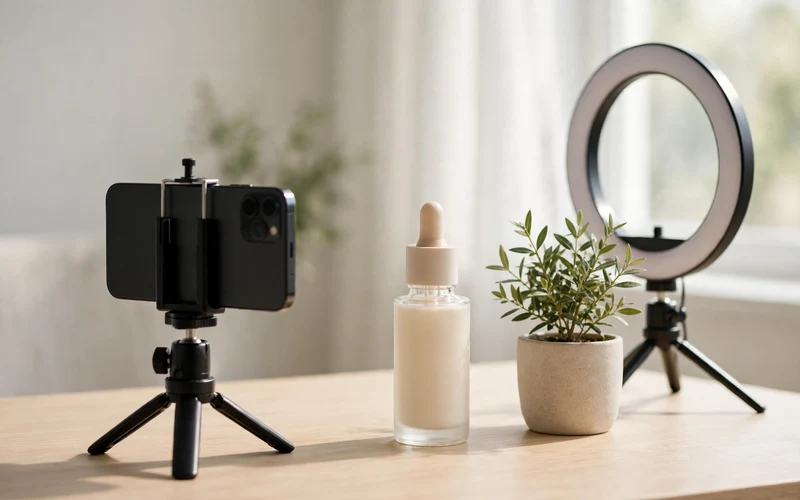
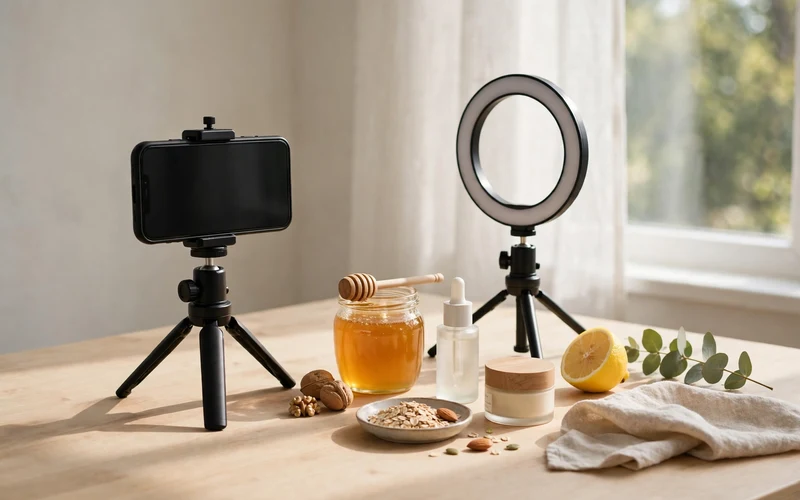
You do not need expensive gear to start. A phone with a good camera is enough. Film near a window in the day for soft natural light, or use a simple ring light at night. Keep your shots steady with a small tripod, and film in a quiet room so your voice is clear.
You can learn basic video editing with free apps like CapCut. Cut out pauses, add short text on the screen, and keep the video under 60 seconds. Add captions, because many people watch ads without sound.
What to Charge as a Beginner
Rates vary a lot, and there is no fixed rate for UGC work. Published rate guides in 2026 put beginners at roughly 75 to 150 dollars for a short 15-second video, and more for longer videos. These are only guides. Your rate depends on the product, the video length, and the editing.
The most important rule is to charge for the content and the usage rights separately. The base fee is for making the video. The usage fee is for how the brand may use it. Paid ads cost extra, because a winning ad can run for months. Many guides say paid use adds about 20 to 50 percent of the base fee for each extra period of ad use. Raise your rates slowly as you get repeat clients.
Gifted vs Paid Work: Know the Difference
Gifted work means a brand sends you a free product with no promise of pay. Paid work means the brand pays you money for agreed videos. Gifted work can help you build your portfolio at the very start, but it can be a trap if you keep doing it for free.
A gifted product does not mean you must post about it. A paid deal is different. It has a brief, a deadline, and a clear list of videos. It should also say how the brand may use the videos and when you get paid. After your first one or two gifted jobs, start asking for pay.
Where to Find UGC Jobs
The easiest place to start is a UGC platform or marketplace. Brands post jobs there, and you apply with your portfolio. Popular platforms include Billo, Insense, JoinBrands, and Collabstr. Join two or three and see which one fits you best.
You can also pitch brands directly. Look for small brands that already run ads with UGC-style videos, and send a short email with your portfolio link and one idea for their product. You can also look for work on the best freelancing websites for beginners, where brands post short creative jobs.
How to Pitch a Brand and Win the Job
A good pitch is short and clear. Start with one line about the brand’s product. Then share your portfolio link. Then give one video idea for their product. End with your rate and your delivery time.
Make your idea specific. Instead of saying “I can make a video for you,” say “I can make a 30-second video that shows how your cream fixes dry skin in winter.” A clear idea shows that you understand the product. Follow up once if you get no reply, and keep a list of brands you pitched.
Contracts, Usage Rights, and Disclosure
Always get the deal in writing before you film. A written agreement should say what videos you will make, how many revisions are included, when you will deliver them, and when you get paid.
Usage rights are the most costly mistake for beginners. If you give a brand unlimited rights for one small fee, you lose money. A brand may run your video as a paid ad for a year. So agree on the use first: organic use on the brand’s own accounts, or paid use in ads, and for how many days. Charge extra for paid use. You must also be honest about paid and gifted products. In the United States, the FTC says you must disclose when a brand pays you or gives you a free product.
Grow With Repeat Clients
One-time jobs are good, but repeat clients are better. A brand that likes your work will come back for more videos. That is how UGC creators build steady income. Deliver on time, and reply fast to messages.
After you finish a job, ask the brand if they want more videos next month. Offer a small monthly package, like three videos a month for a set price. Watch which of your videos the brand runs as ads, and make more videos like the winners.
You can also grow in nearby work. If you enjoy design, you could work as a freelance graphic designer for brands that need ad images. You can sell digital products online like templates for other creators. And if a brand asks you to share a product link, you can earn a small commission when someone buys.

A Simple 30-Day Plan
In week one, pick your niche and make three spec videos with products you already own. In week two, join two UGC platforms, apply to five jobs a day, and send three short pitches to small brands each week. In weeks three and four, keep applying and pitching, and film your first gifted or paid job if you get one.
How Much Can a Beginner Earn?
The honest answer is that it varies a lot. Some beginners earn nothing in the first month. Some earn a small fee for their first video. There is no fixed salary in UGC work. Your income depends on how many videos you deliver and your rate. A creator with two or three repeat clients can earn much more.
| Way to Earn | Needs Followers? | Speed for Beginners | Best For |
|---|---|---|---|
| Paid UGC videos | No | Can start with spec videos | Creators with a clear niche |
| Gifted product videos | No | Fast, but no cash pay | First portfolio samples only |
| Usage rights fees | No | Extra fee on paid jobs | Videos used as paid ads |
| Retainer deals | No | Slower, steadier income | Repeat clients who need videos monthly |
| Affiliate links | No | Can start at any time | Creators who share product links |
| Own digital products | No | Steady after first product | Creators who teach other creators |
*Table note: This table is illustrative only. Rates and results vary by creator, niche, brand, and usage terms.*
Mistakes to Avoid
- Trying to cover ten niches at once, so no brand can see what you are good at.
- Sending a portfolio with no spec videos, when brands hire you from your videos.
- Giving unlimited usage rights for one small fee, and losing money when the brand runs your video as an ad.
- Doing gifted work for months, when you should ask for pay after your first one or two free jobs.
- Signing no written agreement, and then arguing about revisions or payment.
- Hiding that a brand paid you or sent you a free product, which breaks trust.
- Claiming you use a product every day when you have never tried it.
- Quitting after a few pitches with no reply, when most creators need many pitches to win a first job.
Conclusion
UGC is a real way to earn money as a beginner, because brands pay for content, not for followers. You need a clear niche, three to five good spec videos, and a habit of applying and pitching every week. Charge for your work and for the usage rights separately, and get every deal in writing.
FAQs
What is a UGC creator?
A UGC creator makes short videos or photos for brands. The brand then posts the content on its own accounts, on its product pages, or as paid ads. The creator is paid for the content and for the right to use it.
Do I need followers to become a UGC creator?
No. Brands buy the video, not your audience. The video usually runs on the brand’s account, so your follower count does not matter. Your portfolio of sample videos is what gets you hired.
How many spec videos should I make first?
Make three to five spec videos. Each one should be 15 to 30 seconds long and vertical. Use products you already own. Show different types, like a problem-and-fix demo and a first-use video.
How much do UGC creators charge per video?
Rates vary a lot. Published guides in 2026 put beginners at roughly 75 to 150 dollars for a short video. These are only guides. Always charge usage rights separately, because paid ad use costs extra.
What is the difference between gifted and paid UGC work?
Gifted work means a brand sends you a free product with no promise of pay. Paid work means the brand pays you for agreed videos, with a brief, a deadline, and usage terms. Ask for pay after your first one or two free jobs.
Where can I find my first UGC job?
Join UGC platforms like Billo, Insense, JoinBrands, and Collabstr, where brands post jobs. You can also pitch small brands directly by email with your portfolio link and one video idea.
Do I need a contract for UGC work?
Yes, always get the deal in writing before you film. The agreement should say what videos you will make, when you deliver, when you get paid, and where the brand may use the videos and for how long.
Do I need to disclose gifted products?
Yes. In the United States, the FTC says you must disclose when a brand pays you or gives you a free product. Put the disclosure in the video itself, not only in the description.






- Be Respectful
- Stay Relevant
- Stay Positive
- True Feedback
- Encourage Discussion
- Avoid Spamming
- No Fake News
- Don't Copy-Paste
- No Personal Attacks
- Be Respectful
- Stay Relevant
- Stay Positive
- True Feedback
- Encourage Discussion
- Avoid Spamming
- No Fake News
- Don't Copy-Paste
- No Personal Attacks
