How to Become a Freelance Graphic Designer for Beginners
Published: 7 Nov 2026
A freelance graphic designer creates visual work for clients and gets paid per project. Logos, social media posts, posters, business cards, book covers, and brand kits are all part of the job.
You do not need a design degree to start. You need basic design skills, a few tools you know well, and a portfolio that proves you can do the work. Clients hire proof, not certificates. If your portfolio looks good, clients will trust you even if you are new.
What Does a Freelance Graphic Designer Do?
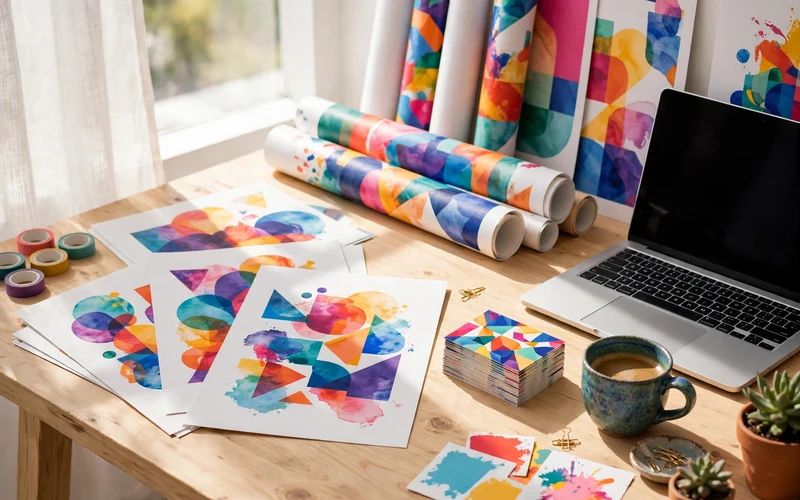
A freelance graphic designer makes visual designs that help a business communicate. A logo helps a brand look professional. A social media post helps a business get attention. A flyer helps a shop tell people about a sale. Your job is to turn a client’s message into a clear and attractive design.
Common freelance design jobs include logos, brand identity kits, social media graphics, posters, flyers, business cards, packaging, book covers, and presentations. You also talk to clients, agree on a price and deadline, and deliver the final files.
Do You Need a Degree to Become a Freelance Graphic Designer?
No, you do not need a degree. Most clients never ask about your education. They ask to see your portfolio. If your work is strong, your background does not matter much.
What you do need is a solid understanding of design basics. Colour, typography, layout, and spacing matter more than fancy effects. A simple design with good spacing often looks better than a busy design with many colours and fonts. Free video tutorials and courses can teach you a lot, but you learn design by designing, so practise regularly.
Learn the Design Basics First
Hierarchy means showing what matters most. The main message should be the biggest or boldest thing on the page.
Contrast means making different elements look different. Dark text on a light background is easy to read, and a bright button on a calm page draws the eye. Alignment means lining things up neatly, because text and images that share an edge look clean and professional. White space is the empty space around your design elements. Leave room to breathe so the important parts stand out. Choose one or two fonts per design and a simple colour palette, and use them consistently.
Choose Your Design Tools
You do not need every design app. Two or three tools, learned well, cover almost all freelance design work for beginners. Adobe Photoshop is the standard tool for photo editing and raster graphics. It is great for social media posts and web graphics. Adobe Illustrator is the standard for logos, icons, and illustrations because it works with vector shapes that stay sharp at any size.
Canva and Figma are good free starting points. Pick your tools based on the work you want to do. If you want to design logos, learn Illustrator first. Learn one tool deeply before you add another. A designer who knows one tool well is more useful than one who knows five tools badly.
Pick a Niche and Services to Offer
A niche is a focused area of design work. Designers who focus on one area are easier to remember and easier to hire. When a client needs a logo, they look for a logo designer, not a general designer.
Good beginner niches include logo design, social media graphics, branding for small businesses, posters and flyers, book covers, and packaging design. Think about what you enjoy and what local businesses near you need. Try a few types of projects first, then focus on the area you enjoy most. Write down the services you offer in clear words and put this list on your portfolio.
Build a Portfolio With No Clients
Your portfolio is the most important tool you have. It is your proof. Clients look at it before they read anything else about you. The good news is that you can build a strong portfolio before you have a single client.
Start with practice projects, also called spec work. Pick a real business with a weak logo or an old flyer and redesign it as if you were hired. Show the old design and your new design side by side, and explain what you improved. Aim for six to ten strong pieces rather than thirty weak ones.
Publish your portfolio on Behance, which is free and widely used by designers, or build a simple one-page website. Update it often and replace weak pieces with stronger ones.
Set Up Your Freelance Profiles and Brand
Your personal brand is how clients remember you. It does not need to be fancy. A clear name, a simple logo, and a consistent style across your profiles are enough to start.
Create profiles on the main freelance platforms. Upwork is good for project-based work and lets you send proposals to clients. Fiverr is good for fixed-price packages, like a logo package with clear deliverables. Both platforms take a fee from your earnings, so read their current fee details before you set your prices. Your profile should say what you do, who you help, and what makes you different, in simple words. Agree on the price before you start work.
How to Find Your First Clients
Finding clients is the hardest part for most beginners. Posting your portfolio and waiting does not work. You need to reach out to people who need design help. Freelance platforms are the fastest place to start. On Upwork, look for small jobs that match your skills and write a short, personal proposal for each one.
Make a list of small businesses with weak branding. Send them a short, polite message with one idea to improve their design and a link to your portfolio. Social media can also bring clients. Share your work on Instagram, Behance, and LinkedIn, and show your process, not just the final result. Local businesses are often overlooked, and one local client can lead to more work through word of mouth.
How to Price Your Design Work
Pricing is one of the most stressful parts of freelancing, but it gets easier with a simple system. Beginners usually charge per project, not per hour. A fixed project price is clear for both you and the client. Start by looking at what other beginners charge for similar work in your area or on freelance platforms. The table below shows example project types with illustrative only price levels to help you think about your own rates.
| Service | Typical Beginner Scope | Price Level |
|---|---|---|
| Social media post pack | A set of matching posts | Low, illustrative only |
| Logo design | Logo with a few versions | Medium, illustrative only |
| Brand identity kit | Logo, colours, and cards | Higher, illustrative only |
| Flyer or poster | One print design | Low, illustrative only |
Agree on the price, revisions, and delivery date before you start. Two or three rounds of revisions are normal. Ask for a deposit before you start, usually half the total price. Deliver the final files only after the final payment. Raise your prices slowly as you gain experience and good reviews.
Work Professionally and Deliver Great Results
Good work brings repeat clients. Professional habits bring even more. Communicate clearly from the start. Ask the client about their business, their audience, and their goals. The more you understand, the better your first draft will be.
Meet your deadlines. If you think a project will take five days, say seven and deliver early. Clients remember designers who deliver on time. If a delay happens, tell the client early and give a new date. Deliver files in the formats your client needs, with clear file names, and ask for a short review when the project ends.
How to Grow Your Freelance Design Business
Once you have a few clients, you can start to grow. Growth does not mean taking every job. It means choosing better jobs and charging more for them. Specialise further as you learn what you enjoy. A designer known for restaurant branding or book covers can charge more than a general designer.
Build long-term relationships with good clients. A client who needs new social media posts every month is worth more than ten one-time clients. Keep learning new skills, because design trends change and new tools appear every year. Set working hours, take breaks, and keep a simple record of your income and costs.
Common Mistakes to Avoid
Many new freelance designers make the same mistakes. Avoid these and your first year will be much smoother.
- Learning tools before design basics: Knowing every button in a design app does not make you a designer. Learn colour, typography, layout, and spacing first.
- Building a portfolio with weak work: Thirty average pieces impress no one. Show only six to ten strong pieces you would be proud to be hired for again.
- Charging too little to win clients: Very low prices attract difficult clients and leave you exhausted. Set fair prices that cover your time.
- Working without clear terms: Starting a project without an agreed price, revision limit, and deadline causes arguments later. Agree on these in writing first.
- Skipping the deposit: Working for free and hoping for payment at the end is risky. Ask for a deposit and deliver final files after full payment.
- Waiting for clients to find you: A portfolio alone does not bring work. Send proposals, contact local businesses, and share your work every week.
Conclusion
Becoming a freelance graphic designer is a realistic goal for a beginner. You do not need a degree or expensive equipment to start. You need design basics, one or two tools you know well, and a portfolio that proves your skill.
Start by learning the fundamentals and practising every day. Build six to ten strong portfolio pieces, even if they are practice projects. Set up clear profiles, offer clear services, and reach out to clients instead of waiting for them. Price your work fairly, agree on terms before you start, and deliver on time.
FAQs
Do I need a degree to become a freelance graphic designer?
No, you do not need a degree. Clients hire based on your portfolio, not your education. If your work is strong and professional, your background matters far less than your skill and your reliability.
How long does it take to become a freelance graphic designer?
It depends on how much time you practise. Many beginners spend a few months learning basics and building a portfolio before they take paid work. With steady daily practice, you can be ready for small paid projects within a few months.
What tools should a beginner graphic designer learn first?
Start with one or two tools that match the work you want to do. Adobe Illustrator is best for logos, Photoshop is best for photo and social media graphics, and Canva or Figma are good free starting points.
How do I build a portfolio with no clients?
Create practice projects for real businesses. Redesign a weak logo or an old flyer and show the before and after with a short note about what you improved. Six to ten strong practice pieces are enough to start winning clients.
Where can I find my first freelance design clients?
Try freelance platforms like Upwork and Fiverr, contact small local businesses, and share your work on Instagram, Behance, and LinkedIn. Reach out directly instead of waiting.
How much should I charge as a beginner graphic designer?
Charge per project with a clear price agreed before you start. Look at what other beginners charge for similar work, cover your time and costs, and ask for a deposit. Raise your prices slowly as you gain experience and good reviews.
Is freelance graphic design a good career for beginners?
Yes, it can be a good career if you enjoy design and are willing to learn the business side too. Income is uneven at first, but steady work, repeat clients, and a strong portfolio can turn it into a reliable income over time.
What is the difference between selling designs and offering design services?
Selling designs means selling ready-made files, like templates or art prints. Offering design services means creating custom work for a specific client, like a logo for their business. This guide focuses on services, where you work directly with clients on their projects.




- Be Respectful
- Stay Relevant
- Stay Positive
- True Feedback
- Encourage Discussion
- Avoid Spamming
- No Fake News
- Don't Copy-Paste
- No Personal Attacks
- Be Respectful
- Stay Relevant
- Stay Positive
- True Feedback
- Encourage Discussion
- Avoid Spamming
- No Fake News
- Don't Copy-Paste
- No Personal Attacks
