How to Start an Etsy Shop in 2026: A Beginner’s Step-by-Step Guide
Published: 4 Nov 2026
Opening an Etsy shop can feel exciting and a little overwhelming at the same time. You may have a product you love to make or a skill you want to turn into a small business. Etsy gives beginners a ready-made marketplace where buyers are already looking for handmade, vintage, and craft-supply items, so you do not need to build a website from scratch before you list your first product.
This guide walks you through the process step by step, from choosing what to sell to writing listings, setting fair prices, and handling first orders. It is for complete beginners: you do not need business experience or a huge stock to start, just patience, clear photos, and honest descriptions.

What Is Etsy, and Is It Right for You?
Etsy is an online marketplace focused on handmade goods, vintage items, and craft supplies. Buyers visit Etsy when they want something personal, well-crafted, or different from mass-produced items. That focus is both the advantage and the challenge for a new seller: your products need to fit what Etsy buyers expect, including originality and clear craftsmanship.
Before you open a shop, ask a few practical questions. Can you make the product again, in consistent quality, if someone orders more than one? Do you enjoy making it enough to repeat it? Can you pack and post orders within the time you promise? If mostly yes, Etsy may be a good fit. Read Etsy’s seller rules first, and check your products fit its handmade, vintage, or craft-supply categories.
Step 1: Choose What to Sell
The best first product is usually something you already know how to make well. Beginners often do better with a narrow focus than with a shop that tries to sell everything. Instead of offering candles, soap, jewellery, prints, and bags all at once, start with one line, such as scented candles in a few scents or simple ceramic mugs in a small range of colours. A narrow start helps you learn faster and build a coherent shop.
Think about demand, skill, cost, and enjoyment together. A product might be fun to make once, but difficult or expensive to repeat, or hard to post safely. Test your idea on a small scale: make a few items, ask trusted friends for honest feedback, and note how long each item takes and what it costs. You do not need a completely original invention; many shops sell familiar products with a personal touch, such as a different scent or cleaner design. What matters is that your version is genuinely made or designed by you and described honestly.

Step 2: Research Before You List
Research does not mean copying competitors. It means learning how buyers search, what similar products look like, and what price range feels reasonable for your quality. Search Etsy for your planned product type, and look at the titles, photos, and descriptions of sellers whose work you admire. Notice what makes a listing easy to understand: a clear first photo, an exact title, and a description that answers questions a buyer would ask before ordering.
Pay attention to search words, too. Buyers usually search with simple phrases such as “handmade ceramic mug” or “soy candle gift.” Your titles and tags should use words a real buyer would type. Also check practical details: how heavy or fragile is the product, how much would postage cost, and are materials easy to source? That research helps you avoid listing a product without knowing how much it costs to make, post, and sell.
Step 3: Create Your Account and Set Up Your Shop
Creating an Etsy shop is straightforward, but it is worth doing slowly. Create an Etsy account if needed, then choose the option to sell on Etsy. You will set your shop language, country, and currency, and choose a shop name. Pick a name that is easy to spell, easy to remember, and related to what you sell, and avoid names that are very long or too similar to an existing well-known shop. If your first choice is taken, try a simple variation rather than adding confusing numbers or symbols.
Next, complete your shop profile. Add a simple shop icon or banner if you have one, and write a short announcement and an “About” section explaining who you are and what you make. A few sentences about your craft and care in packing can build trust. You will also need to set up payment and billing details: read the fee information carefully, keep account details secure, and use a strong, unique password.
Step 4: Write Listings That Help Buyers Decide
A good listing answers questions before they are asked. Start with a clear title that names the product, its main material, and its use. For example, “Handmade Ceramic Mug, Speckled Stoneware Coffee Cup” tells a buyer far more than “Beautiful Gift for Her.” Put the most important details first, because buyers often scan quickly.
Your description should cover the essentials in plain language: what the item is, what it is made from, its size where relevant, how it should be cared for, what is included, and how long dispatch will take. Be honest about handmade variation: if each item differs slightly in colour or shape, say so.
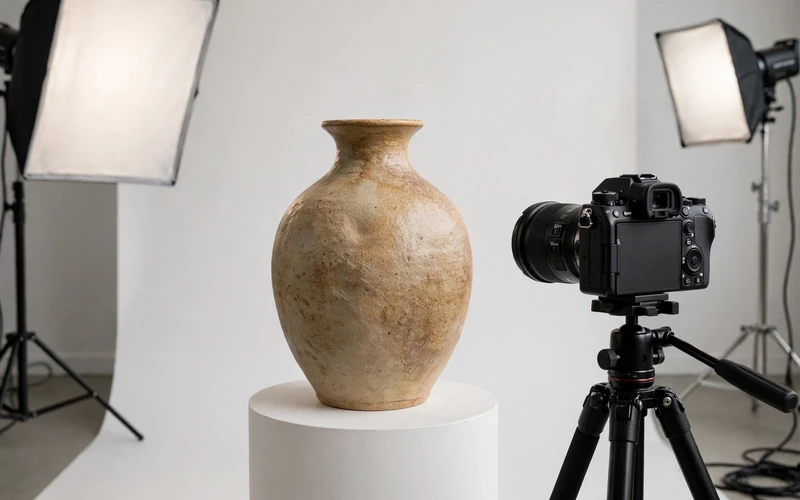
Photos deserve as much attention as words. Use natural light, a clean background, and more than one angle, including a photo that shows scale and a close-up that shows texture. Avoid heavy filters that change the product’s colour, and keep the same photo style across your shop. Finally, add relevant tags and choose the right category, using plain phrases that describe the item.
Step 5: Price Your Products Honestly
Pricing is where many beginners feel unsure. A price that is too low may not cover your time and materials, while a price that is too high may put buyers off. Start by listing your real costs: materials, packaging, postage where you include it, Etsy fees, and a reasonable amount for your time. A shop that cannot cover its costs will be hard to sustain.
The table below is a simple, illustrative example of how a beginner might think about pricing. It is not a recommendation for any particular product, and the fee figures are examples only. Etsy fees can change, so always check current Etsy fee information before setting prices.
| Pricing example (illustrative only) | Example amount |
|---|---|
| Materials for one item | $6 |
| Packaging materials | $2 |
| Your time for making and packing | $10 |
| Etsy fees and payment processing (example only) | $3 |
| Postage, if included in the price (example only) | $5 |
| Illustrative total to cover before profit | $26 |
Use this breakdown as a thinking tool, not a fixed formula. Real figures depend on your product, materials, location, and current fees. If your price feels far above similar products, look for ways to reduce waste or buy materials more efficiently. If it feels far below, you may be undervaluing your time. A sustainable price is one you can repeat. Decide postage early — charge it separately, include it in the price, or offer free postage above a certain order value — state it clearly, and weigh a packed parcel before promising a price.
Step 6: Set Shop Policies and Prepare for Orders
Clear policies protect both you and your buyers. Before you publish listings, write simple policies for dispatch time, delivery, returns, and exchanges. Be realistic: it is better to promise dispatch in three to five working days and deliver early than to promise next-day dispatch and miss it. If you make items to order, say how long production takes.
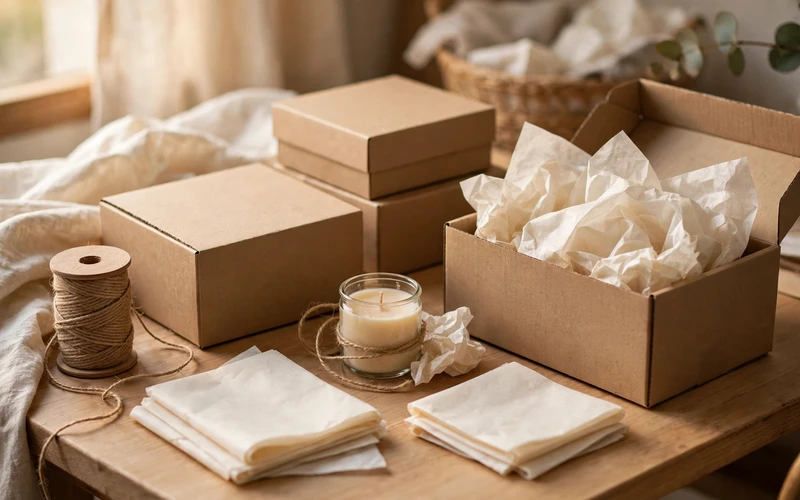
Think about packaging before your first order arrives. You do not need expensive branded boxes; clean, protective packaging matters more than decoration. Use tissue paper or recycled filler where suitable, protect fragile items well, and keep boxes, tape, and labels ready. Plan how you will handle messages too: reply promptly and politely, and if an item is damaged or lost, stay calm, check your postage records, and follow Etsy’s guidance.
Step 7: Launch, Share, and Improve Slowly
When your shop has a few complete listings, good photos, and clear policies, you are ready to publish. You do not need dozens of listings to launch: five to ten strong listings often look better than many incomplete ones. Check them on both a computer and a phone, and fix any errors or missing details you notice.
Sharing your shop can help, but keep it honest and simple: share listings on your own social media or tell friends and family, and do not spam groups or buy fake reviews. Early sales often come slowly, and that is normal. Focus on improving one thing at a time, and keep simple records of what you sold and what it cost. Review your shop every few weeks, not every hour.
Step 8: Handle Your First Sales Well
Your first sale is a milestone, but how you handle it matters more than how quickly it arrives. Read the order carefully, check any personalisation the buyer chose, and pack the item as promised. Double-check the delivery address, use the postage service you stated, and send the order within your promised dispatch time. If there is a delay, message the buyer early and honestly.
After dispatch, a short message confirming posting is often appreciated. Do not pressure buyers to leave a review or offer incentives for positive reviews, as that can break marketplace rules. If a buyer raises a problem, respond with patience and focus on a fair solution. As orders grow, keep routines simple and repeatable, because consistency reduces mistakes. If overloaded, pause new listings or extend dispatch time honestly rather than accepting orders you cannot fulfil well.
Common Beginner Mistakes to Avoid
Avoid dark, blurry, or cluttered photos, because buyers cannot judge quality from a poor image. Avoid vague titles that leave out size, materials, or care instructions, and avoid copying another shop’s wording or images. Avoid setting prices without adding up your real costs, because a shop that loses money on each order cannot last. Opening too many product lines at once can confuse buyers, and ignoring policies until a problem appears makes difficult conversations harder. Finally, avoid expecting instant results: shops usually grow gradually, through better listings, repeat buyers, and word of mouth.
Final Thoughts
Starting an Etsy shop in 2026 is less about a perfect launch and more about a careful, honest start. Choose a product you can make well, research how buyers search, write clear listings with real photos, price sustainably, and treat first buyers with care. Open your shop, publish a small set of strong listings, and improve one step at a time.
Frequently Asked Questions
Do I need a business licence to start an Etsy shop?
It depends on where you live and what you sell. Some places require registration, while others allow small-scale selling without formal registration at first. Check your local rules and tax requirements before you start.
How many listings should I start with?
A small set of complete, well-photographed listings is better than many rushed ones. Five to ten strong listings give buyers enough choice, while keeping your workload manageable as you learn packing, messaging, and dispatch.
How much money do I need to start an Etsy shop?
You can start with a modest budget if you already have the basic tools and materials for your craft. Your main early costs are usually materials, packaging, postage, and Etsy fees. Start small, track every cost, and only buy more stock after you understand what sells.
Do I need professional photos to sell on Etsy?
No. Clear, well-lit photos in natural light, with a clean background and several angles, can work very well for beginners. Focus on accurate colours, sharp detail, and a photo that shows the true size of the item.
How long does it take to get my first sale on Etsy?
There is no fixed timeline, and no honest guide can promise a first sale by a certain date. Some shops get an early order, while others need weeks of improving listings and photos before a buyer finds them.
Can I sell on Etsy if I also sell elsewhere?
In most cases, yes, as long as you follow Etsy’s rules and keep stock and dispatch times accurate on each platform. Do not sell the same one-of-a-kind item in two places at once, and update listings promptly if an item sells elsewhere.
What should I do if a buyer is unhappy with an order?
Respond politely and promptly, ask what went wrong, and look for a fair solution, such as a replacement or a refund under your stated policy. Keep messages calm and factual, and follow Etsy’s guidance if you cannot agree directly.
Should I offer free postage on Etsy?
Free postage can attract buyers, but it only works if your price still covers postage, fees, materials, and your time. Many beginners charge postage separately at first, then test free postage later once they know their real costs.





- Be Respectful
- Stay Relevant
- Stay Positive
- True Feedback
- Encourage Discussion
- Avoid Spamming
- No Fake News
- Don't Copy-Paste
- No Personal Attacks
- Be Respectful
- Stay Relevant
- Stay Positive
- True Feedback
- Encourage Discussion
- Avoid Spamming
- No Fake News
- Don't Copy-Paste
- No Personal Attacks
