How to Save Money on a Low Income: A Beginner’s Budget Guide
Published: 4 Nov 2026
Saving money on a low income can feel impossible. When rent, food, transport, and bills take up almost everything you earn, there may seem to be nothing left to save. That feeling is understandable, and it does not mean you are bad with money. It usually means your income is tight, your costs are high, or both, and you need a plan that fits your real life.
This guide is for beginners. It does not ask you to save a large amount at once or give up everything you enjoy. Instead, it shows you how to build a simple budget, find small savings in everyday spending, and create habits that help you keep a little money aside. The goal is progress, not perfection. Saving a small amount regularly is better than waiting for a perfect month that never comes.

Why Saving Feels So Hard on a Low Income
When income is low, there is very little room for error. One unexpected bill, a broken phone, or a cut in working hours can undo weeks of careful planning. That is why many people on a low income live from payday to payday. It is not always a lack of discipline. It is often a lack of slack in the budget.
A lot of money advice also assumes you have spare money to invest or a large salary to cut back from. Advice like “just stop buying coffee” can feel unhelpful when your main costs are housing, food, and transport, not luxuries. A useful low-income budget starts with the essentials first and works from there. It also helps to be honest about what saving means for you right now. For some people, it means building an emergency fund. For others, it means avoiding new debt or keeping a small buffer so a surprise expense does not become a crisis. All of these count.
The most important shift is from guessing to knowing. When you know where your money goes, you can make clearer choices, even small ones, and those add up over time.
Step 1: Know Exactly What Comes In and Goes Out
Before you can save, you need a clear picture of your money. You do not need special software. A notebook, a simple spreadsheet, or the notes app on your phone will work. Start with your income. Write down how much money you actually receive, not how much you earn before tax or deductions. If your income changes from month to month, use a recent low month as your starting point, so you avoid spending money you may not receive.
Next, list your spending. Go through your bank statements, receipts, or payment app history for the last month. Sort your spending into simple groups: housing, food, transport, bills, phone, debt payments, and personal spending. Do not judge yourself at this stage. The point is to see the pattern, not to feel guilty about it.
You may be surprised by what you find. Small, regular payments can add up quietly, while essential costs may already be high, which explains why saving has been difficult. Either way, you can now decide in advance how to use your money next month, rather than wondering where it went.
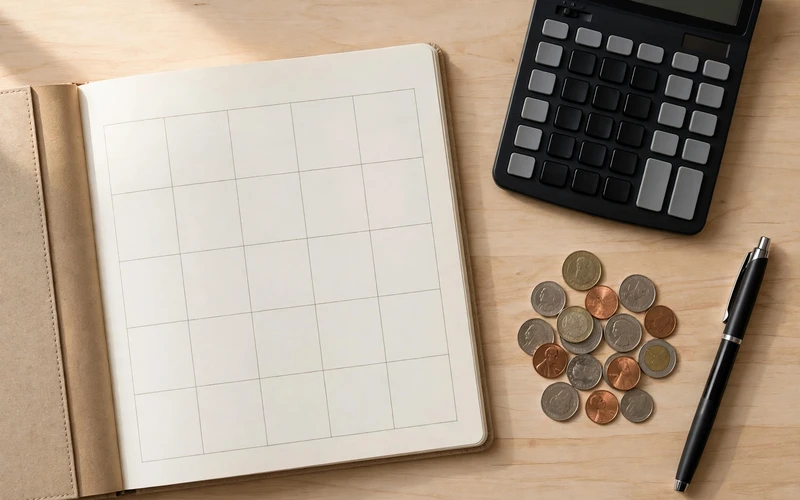
Step 2: Build a Simple Budget You Can Actually Follow
A budget is simply a plan for your money before you spend it. It should be simple enough to follow on a busy week and flexible enough to survive real life. If a budget is too strict, most people stop using it. If it is too vague, it does not help. Start by listing your needs first: rent or housing, basic food, utilities, transport to work, phone, and minimum debt payments. Then list your wants, such as streaming services, eating out, or entertainment.
A common starting point is to divide money into needs, wants, and savings, but on a low income that split may not be realistic if housing already takes up a large share of your pay. Do not force your budget to match someone else’s percentages. Adjust it to your situation: needs may take up most of your income at first, leaving only a small amount for wants and savings, and that is still a useful budget.
The key is to give every part of your income a job. Decide in advance how much goes to bills, food, transport, and savings. When payday comes, move your planned savings aside first if you can, even if it is a small amount. This is often called paying yourself first. It works because money left in your main account tends to get spent, while money moved aside is easier to leave alone. Check your budget once a week, so you can catch overspending early and adjust, rather than discovering a problem at the end of the month.
An Illustrative Example Budget (Illustrative Only)
The table below is an illustrative example only. It is not a recommendation, and your own figures will depend on where you live, your housing costs, and your income. It is included simply to show how a simple budget can be laid out.
| Category | Illustrative Monthly Amount |
|---|---|
| Housing | $800 |
| Food and groceries | $300 |
| Transport | $150 |
| Utilities and phone | $200 |
| Personal spending | $150 |
| Minimum debt payments | $200 |
| Savings | $200 |
| Total | $2,000 |
If your income is lower, your savings line may be much smaller, and that is fine. The habit matters more than the size of the first amount. The point of the example is the structure: needs first, a clear savings line, and a total that matches your income.
Step 3: Cut Expenses Without Cutting Everything You Enjoy
Cutting expenses does not have to mean living with no enjoyment at all. A budget that removes everything fun is hard to keep. A better approach is to look for savings that hurt the least and help the most. Start with regular, repeating costs. Review your subscriptions and memberships and ask which ones you actually use each week. Cancelling one unused subscription may save only a little, but cancelling two or three can make a real difference over a year.
Next, look at convenience costs. Delivery fees, service charges, and buying small items at higher prices for convenience can add up. Cooking at home more often, carrying a water bottle, or planning errands to avoid extra trips may reduce these costs without changing your lifestyle dramatically. Finally, set a simple rule for non-essential spending: wait a day before buying something you do not need urgently. This pause gives you time to decide whether you really want the item or whether the urge will pass. Many impulse purchases lose their appeal after a short wait, and the money stays in your account.

Step 4: Save Money on Food, Bills, and Transport
Food, bills, and transport are usually the largest costs after housing, so small changes here can help more than cutting tiny luxuries. You do not need to change everything at once. Pick one area to improve first. For food, planning helps more than willpower. Make a simple meal plan for the week, write a shopping list, and try to shop once rather than making several small trips. Buying staple foods, seasonal produce, and store brands where you are happy with the quality can also lower the bill. Cooking in larger batches and using leftovers for lunch the next day can reduce both food waste and spending on ready meals.
For household bills, small habits can lower usage over time, such as turning off lights and appliances when not in use. Check bills for errors, and if you are struggling to pay, contact the provider early to ask about support or a payment plan. For transport, choose the cheapest reliable option: walking or cycling for short trips, sharing rides where practical, or a weekly or monthly pass instead of single tickets, depending on your area.
Step 5: Build an Emergency Fund and Helpful Habits
An emergency fund is money set aside for unexpected costs, such as a car repair, a broken appliance, or a sudden bill. It is not for holidays, gifts, or everyday spending. Having even a small emergency fund can stop a surprise expense from turning into debt, which is why it is often the first savings goal for beginners. Do not worry about building a large fund straight away. Start with a starter goal that feels possible, such as saving enough to cover one small emergency, and increase the goal later once the habit is in place.
Keep your emergency fund separate from your everyday spending money, for example in a separate savings account or a clearly labelled pot in your banking app. Set up a small automatic transfer on payday if your bank allows it. Even a small automatic amount helps because you do not have to remember to save each time. If you need to use the fund, that is what it is for. Use it, then rebuild it slowly when you can.
Saving on a low income depends less on motivation and more on habits. Try a short payday routine: first check bills are covered, then move savings aside, then set a weekly limit for food and personal costs. Track spending in a way that takes minutes a day, such as a note on your phone. Celebrate small progress, too — saving for four weeks in a row, even a small amount, is a real achievement.

A Simple Plan to Start This Week
You do not need to wait until next month or until your income rises to start saving. Here is a simple plan you can begin this week:
1. Write down your income and your main spending for last month.
2. Choose one subscription or regular cost to review or cancel.
3. Make a shopping list and plan meals for the coming week.
4. Move a small amount to savings on payday, even if it is modest.
5. Check your budget once at the end of the week and adjust if needed.
That is enough to start. Over time, you can refine your budget and increase savings when income or costs allow. It takes patience and small, repeatable habits, but progress is possible, one payday at a time.
Frequently Asked Questions
1. How much should I save on a low income?
There is no fixed amount that fits everyone, because housing costs, income, and responsibilities differ. Start with an amount you can save regularly without missing essential bills. Even a small, regular amount is a good start, and you can increase it later when your situation improves.
2. Should I save or pay off debt first?
In many cases, a balanced approach helps: keep up with minimum debt payments to avoid extra charges, while also building a small emergency buffer if you can. If you are struggling with debt payments, consider seeking free, independent debt advice to understand your options.
3. What if I have nothing left at the end of the month?
If nothing is left, your budget may already be covering essentials only, which is common on a low income. Focus first on tracking your spending to confirm this, then look for one small change, such as a subscription, a food habit, or a transport cost. If costs still exceed income, seek advice about benefits, support, or bill help that may be available in your area.
4. Is a budget really necessary if my income is low?
Yes, a budget can be even more helpful when money is tight, because it shows you exactly where your money goes and helps you protect bill money and savings. A budget does not need to be complicated. A simple list of income, needs, wants, and savings is enough to start.
5. How do I start an emergency fund with very little money?
Start with a small, realistic goal and a separate place to keep the money, such as a savings account or a labelled pot in your banking app. A small automatic transfer on payday, if available, can help you save without having to remember each time.
6. How can I stop impulse spending?
Try waiting a day before buying something non-essential, shopping with a list, and removing saved payment details from shopping apps if that helps. A short pause often makes it clearer whether you really want an item or whether the urge will pass.
7. What is the easiest way to cut food costs?
Planning meals, shopping with a list, cooking in batches, and using leftovers can all help. Buying staples and seasonal produce, and choosing store brands where you are happy with the quality, may also lower your bill without a major change to what you eat.
8. What should I do if my budget stops working?
Adjust it rather than abandoning it. Income, prices, and life circumstances change, so budgets need regular updates. Check what changed, move money between categories if needed, and set a simpler plan for the next week. A budget that adapts is more useful than one that stays fixed while life changes.






- Be Respectful
- Stay Relevant
- Stay Positive
- True Feedback
- Encourage Discussion
- Avoid Spamming
- No Fake News
- Don't Copy-Paste
- No Personal Attacks
- Be Respectful
- Stay Relevant
- Stay Positive
- True Feedback
- Encourage Discussion
- Avoid Spamming
- No Fake News
- Don't Copy-Paste
- No Personal Attacks
