Crafting Jobs: 10 Creative Ways to Make Money From Home
Published: 12 Oct 2026
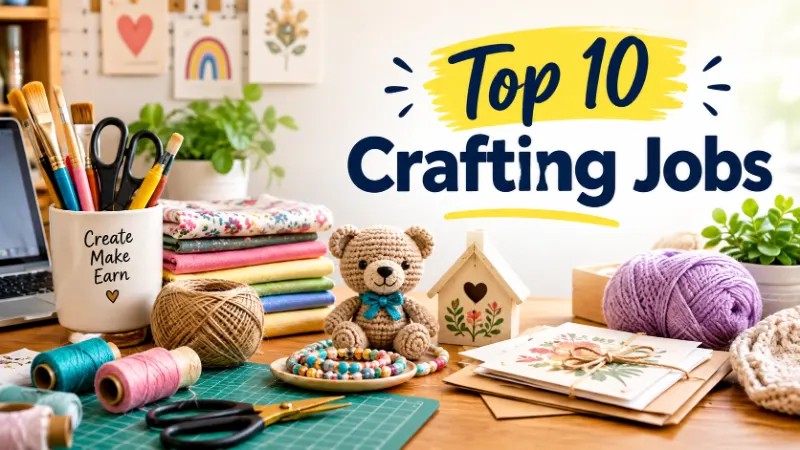
Do you enjoy making handmade items, decorating your home, or trying new DIY projects? You can turn some of these hobbies into crafting jobs and earn money from home. This guide covers 10 creative options, how to get started, and where to find customers. Which craft would you enjoy making and selling?
What Are the Best Crafting Jobs?
Some popular crafting jobs include making jewelry, sewing, knitting, creating personalized gifts, restoring furniture, and selling craft tutorials online. You can start with one skill, use supplies you already own, and test customer demand before spending much money.
1. Start a Craft Blog and Share DIY Ideas
A crafting blog lets you share tutorials, project ideas, material lists, and decorating tips with readers. You can earn through ads, affiliate links, sponsored posts, and digital products. This option suits people who enjoy writing, taking photos, and teaching others.
- Choose one craft niche, such as paper crafts or home decor.
- Publish useful tutorials with clear, original photos.
- Learn basic SEO to help readers find your posts on Google.
- Share your projects on Pinterest to attract blog visitors.
Example: You could publish a tutorial about making holiday decorations from recycled paper. Your post may attract readers who want an affordable project, and relevant affiliate links could earn commissions when readers make qualifying purchases.
Action step: Choose five beginner-friendly craft topics and plan your first blog posts. You can also read our guide on how to understand a stock management system to learn why tracking supplies and products matters as your small business grows.
2. Offer Sewing and Clothing Repair Services
Sewing can become a home-based job if you know how to repair clothes, adjust hems, replace buttons, or create simple fabric products. Many customers need affordable repairs, custom pieces, or small changes to clothes they already own.
- Offer basic repairs before accepting complex sewing projects.
- Create sample tote bags, cushion covers, or aprons.
- Set clear prices for labor and materials.
- Share finished projects in local community groups and on Pinterest.
Example: You might offer trouser hemming and simple clothing repairs to people in your neighborhood. Start with jobs you can complete well, then add more services as your sewing skills improve.
3. Restore and Sell Old Furniture
Furniture flipping involves improving used furniture and selling it at a higher price. You might clean a wooden table, repaint a chair, or replace old handles. This job suits creative people who enjoy home decor and practical projects.
- Look for sturdy, secondhand furniture with repair potential.
- Calculate the purchase price, materials, transport, and your time.
- Choose paint colors and finishes that suit your target buyers.
- Photograph each finished piece in good lighting.
Example: You find a used bedside table that needs cleaning and new handles. Before buying it, estimate the full cost and compare it with prices for similar restored tables in your area.
4. Design and Sell Handmade Jewelry
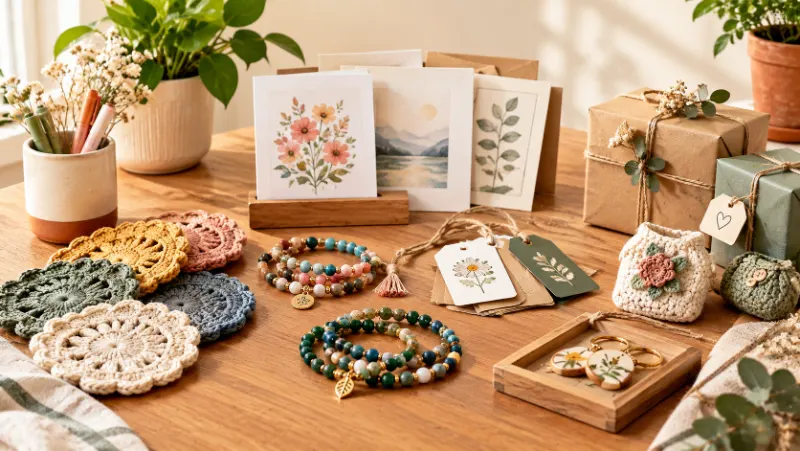
Handmade jewelry includes bracelets, necklaces, earrings, beaded accessories, and personalized gifts. You can begin with simple designs and expand your range as you learn which styles customers prefer. Attractive photos and careful packaging can help your products stand out.
- Start with a small collection of three to five designs.
- Use reliable findings, beads, wire, or other suitable materials.
- Calculate material, packaging, platform, and labor costs.
- Offer gift-ready packaging for birthdays and special occasions.
Example: You could make personalized name bracelets for gift buyers. Create a few samples, photograph them clearly, and ask potential customers which colors and styles they prefer before buying supplies in bulk.
5. Make Money From Knitting and Crochet
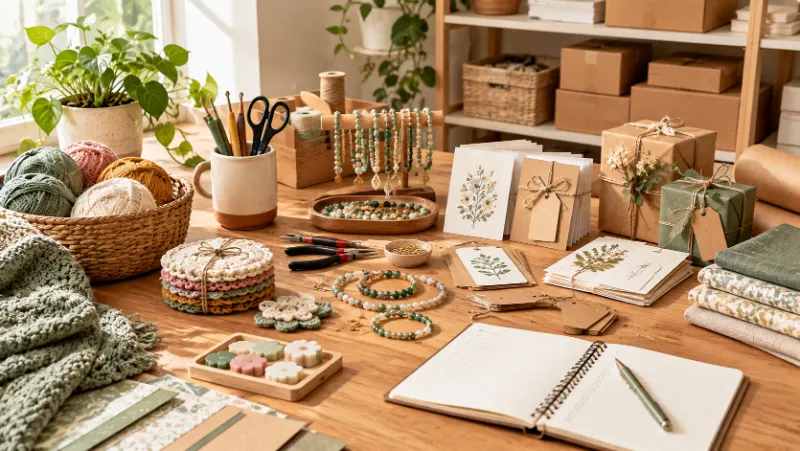
Knitting and crochet turn yarn into items such as scarves, blankets, bags, toys, and home decorations. These crafts can suit people who prefer flexible work at home. You can sell finished pieces or offer patterns for customers who enjoy making their own items.
- Begin with small products that use affordable amounts of yarn.
- Create a few consistent designs in different colors.
- Write clear instructions if you sell digital patterns.
- Include your time and material costs when setting prices.
Example: A beginner might crochet small coasters or simple keychains before taking orders for large blankets. Smaller products can help you practice, test demand, and understand how long each item takes to make.
6. Create Handmade Wooden Products
Woodworking can become a crafting business if you enjoy making useful objects from wood. Small products such as shelves, picture frames, signs, and organizers may be easier to produce at home than large furniture. Start with projects that match your tools and experience.
- Choose small projects with simple measurements.
- Use appropriate protective equipment and safe working methods.
- Measure material costs before setting a selling price.
- Photograph your products in real home settings.
Example: You could make a small wooden desk organizer for people who work from home. Show its size, storage space, and finish in your product photos so buyers understand exactly what they will receive.
7. Make Personalized Cards and Paper Gifts
Handmade cards and paper gifts are popular for birthdays, weddings, holidays, and other special events. You can create greeting cards, gift tags, invitations, paper flowers, and scrapbooks. This option works well if you enjoy drawing, lettering, cutting, and arranging paper.
- Start with a few designs for common occasions.
- Use quality paper and neat finishing techniques.
- Offer personalized names, colors, or short messages.
- Create seasonal collections for holidays and celebrations.
Example: You might design a set of birthday cards with different themes. Photograph the cards together and separately, then offer individual cards or bundles to customers looking for thoughtful gifts.
8. Make Decorative Mason Jar Gifts
Mason jar crafts turn simple glass jars into decorative or useful products. You can make candle holders, painted jars, desk organizers, gift containers, and seasonal decorations. This option may suit beginners because you can start with a few basic materials and simple designs.
- Clean and inspect jars before decorating them.
- Try paint, ribbon, labels, or other suitable decorations.
- Create designs for birthdays, weddings, and seasonal gifts.
- Package glass products carefully to reduce breakage during delivery.
Example: You could decorate jars as small gift containers for wedding favors. Make a sample set first and calculate the cost of each jar, decoration, packaging, and delivery before accepting a large order.
9. Make Handmade Soap and Bath Gifts
Soap making can offer a creative business opportunity for people interested in bath products and gift sets. You can explore suitable beginner methods and develop a small product range. Learn the relevant safety, labeling, and local selling rules before offering products to customers.
- Research safe soap-making methods and suitable ingredients.
- Learn proper handling and storage for your chosen method.
- Check local rules for product labeling and cosmetic sales.
- Calculate the full cost of ingredients and packaging.
Example: You might create a small gift set with handmade soap and a reusable washcloth. Test the packaging and check applicable product requirements before advertising the set for sale.
10. Sell Custom Baked Goods and Edible Gifts
Baking can be a home-based business for people who enjoy decorating cookies, cupcakes, or celebration cakes. You can offer custom designs for birthdays, parties, and holidays. Check local food business rules and safe food-handling requirements before accepting orders.
- Begin with a few baked goods you can make consistently.
- Calculate ingredients, packaging, electricity, and labor.
- Use clear photos that show the size and decoration.
- Confirm order dates, delivery details, and allergy information.
Example: You could offer decorated cookies for a small birthday party. Agree on the design, quantity, price, and pickup date in advance, and follow safe food preparation and storage practices.
How to Choose the Right Crafting Job
The best crafting job depends on your skills, available time, budget, and local demand. You do not need to start several businesses at once. Choose one idea, make a few samples, and see whether people are willing to pay for your work.
Consider these points before choosing:
- Your skills: Pick something you already enjoy or can learn with practice.
- Startup cost: Check the price of tools, supplies, packaging, and delivery.
- Available time: Choose products you can make without rushing.
- Customer demand: Research similar products and ask potential buyers what they need.
- Profit potential: Include all costs and your working time when setting prices.
Example: If you already know how to crochet, making small accessories may cost less to start than buying woodworking tools. You can test a few products first and invest more only when demand becomes clearer.
Where Can You Sell Your Handmade Crafts?
You can sell crafts through online marketplaces, social media, local events, and your own website. The right option depends on your product, audience, location, and the fees or rules of each platform.
- Online marketplaces: Research platforms that accept your product type and sellers from your country.
- Social media: Share clear photos, prices, and ordering instructions.
- Local markets: Meet buyers in person and learn which products attract interest.
- Your own website: Build a place where customers can browse your collection and contact you.
- Pinterest: Publish useful pins that link to product pages, tutorials, or your online shop.
Check seller eligibility, payment options, shipping costs, and platform fees before choosing where to sell. If you plan to sell internationally, confirm that you can receive payments and ship orders to your target countries.
How to Price Handmade Products
A good price should cover your materials, time, packaging, selling fees, and other business costs. Research similar products to understand the market, but do not copy another seller’s price without checking your own expenses.
A simple starting formula is:
Selling price = materials + labor + overhead + selling fees + profit
Overhead means the share of general business costs, such as electricity or tool maintenance, that belongs to each product.
Example: Suppose your materials cost $5, your labor is worth $8, and packaging and other costs add $2. Your cost is $15 before any extra profit. You would then need to choose a selling price that covers the full cost and fits the market.
Keep records of sales, supplies, and remaining stock. Our guide to stock management systems can help you understand how organized inventory records support a small business.
How to Promote Your Craft Business on Pinterest
Pinterest can help people discover craft ideas, handmade gifts, and small businesses. Use clear images and useful descriptions that match what people search for. Link every promotional pin to a relevant product, shop, or tutorial page.
- Create vertical pins with clear, readable designs.
- Use specific phrases such as “handmade crochet gifts” or “DIY birthday cards.”
- Write honest titles and descriptions that explain what the visitor will find.
- Publish seasonal ideas before the relevant holiday or event.
- Check which pins attract clicks and improve your future content.
Avoid promising sales from Pinterest alone. Results depend on the product, audience, content quality, competition, and the page visitors reach after clicking.
If your craft business starts earning a profit, you can learn how to manage that money with our guide on when to start investing. Focus first on business costs, cash needs, and suitable financial priorities.
Common Mistakes to Avoid in a Crafting Business
A creative hobby can become expensive if you buy too many supplies or price products without counting your time. Start small, keep records, and learn from customer feedback before expanding your product range.
- Buying too much stock: Make samples before ordering large quantities of supplies.
- Ignoring your time: Include the hours needed to design, make, package, and ship each item.
- Using poor photos: Show clear product details, size, colors, and finishes.
- Accepting too many orders: Set realistic deadlines and communicate them clearly.
- Ignoring business finances: Keep personal spending separate from business records where possible.
Example: If holiday orders increase, do not accept more work than you can finish safely and on time. Our guide to making extra money for Christmas offers more seasonal income ideas, while these common financial mistakes can help you think carefully about money decisions.
Frequently Asked Questions About Crafting Jobs
1. Which crafting jobs are good for beginners?
Simple crochet accessories, greeting cards, beaded jewelry, and decorated gift jars can be good starting points. Choose a craft that matches your skills and budget. Make a few samples before investing in large quantities of supplies.
2. Can I earn money from crafting at home?
Yes, you can earn money by selling handmade products, offering craft services, or publishing craft tutorials. Your results depend on product quality, costs, customer demand, and promotion. Income is not guaranteed, especially when you are starting out.
3. Where should I sell my handmade crafts?
You can explore online marketplaces, social media, local craft fairs, and your own website. Pinterest can also help people discover your products. Compare platform fees, seller eligibility, payment methods, and shipping options before deciding.
4. When is the best time to sell handmade crafts?
The best time depends on the product and the customers you want to reach. Holiday decorations, personalized gifts, and party items may attract seasonal interest. Prepare designs and promotional content early, and use past sales or customer feedback to plan future stock.
5. How much money do I need to start a crafting business?
The cost depends on your craft, tools, supplies, and selling method. Some paper crafts need only basic materials, while woodworking requires more equipment. Start with a small budget, track every expense, and avoid buying supplies before testing demand.
Conclusion
Crafting jobs can help you turn a useful skill into a home-based business. Choose one idea, make a few samples, calculate your costs, and test customer interest before investing more money. Start small and improve your products as you learn.
Your next step: Pick one craft you enjoy and create your first sample this week. Which crafting job will you try first?




- Be Respectful
- Stay Relevant
- Stay Positive
- True Feedback
- Encourage Discussion
- Avoid Spamming
- No Fake News
- Don't Copy-Paste
- No Personal Attacks
- Be Respectful
- Stay Relevant
- Stay Positive
- True Feedback
- Encourage Discussion
- Avoid Spamming
- No Fake News
- Don't Copy-Paste
- No Personal Attacks
