110 Practical Money Saving Tips to Keep More of Your Money
Published: 9 Oct 2026
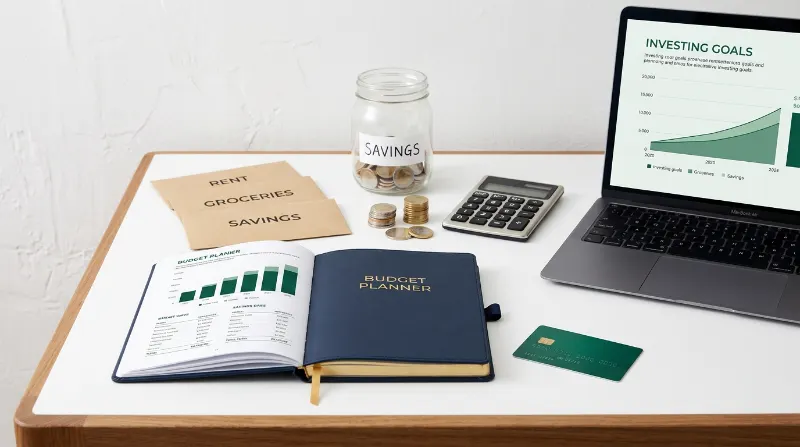
Saving money does not always mean giving up everything you enjoy. Small changes can lower your monthly spending and help you build better money habits. The key is to know where your money goes and make simple choices that support your goals.
Personal example: I found that the easiest way to save was not one big change. It was cutting several small expenses. A few unused subscriptions, extra food orders, and impulse purchases added up to a surprising amount each month.
Simple Money Saving Tips That Work in Daily Life
Saving becomes easier when you use habits that fit your normal routine. You do not need a perfect budget or a large income. Start with a few simple actions and build from there.
- Track your spending before making big changes.
- Focus on small savings that you can repeat.
- Set one clear savings goal for each month.
1. Know Where Your Money Goes
You cannot control spending that you do not track. Write down your income and regular expenses for one month. Include small purchases because they can add up quickly and show where you can save.
2. Set a Clear Monthly Savings Goal
A clear goal gives your savings a purpose. You might want to build an emergency fund, pay a bill, buy something important, or save for a trip. Choose one target and give it a specific amount.
3. Save Money Before You Start Spending
Move part of your income into savings as soon as you receive it. This simple habit makes saving a normal part of your budget instead of something you do only when money remains at the end.
4. Give Every Rupee a Job
Create simple categories for your income, such as food, bills, transport, savings, and personal spending. This approach helps you decide where your money should go before you start spending it.
5. Check Your Spending Every Week
A weekly money check can stop small problems from becoming big ones. Look at your recent purchases, compare them with your plan, and make quick changes when you notice unnecessary spending.
6. Use Separate Savings Accounts
A separate savings account can make your savings easier to protect. Keep money for emergencies, holidays, or large purchases away from your everyday spending account.
7. Keep a Small Fun Budget
Saving does not mean removing every enjoyable activity. Set aside a small amount for coffee, hobbies, entertainment, or eating out. A realistic fun budget can make your savings plan easier to follow.
8. Try a Cash Envelope System
Cash envelopes can help people who often overspend with cards. Put a set amount into categories such as groceries, eating out, and personal spending. Stop spending from that category when the cash runs out.
9. Review Your Budget at Month-End
Your budget should change when your life changes. At the end of each month, check what worked and what did not. Adjust your spending limits instead of forcing yourself to follow an unrealistic plan.
10. Track Your Progress Visually
A savings tracker can make progress feel real. Use a notebook, spreadsheet, printable chart, or simple phone note. Seeing the amount grow can keep you motivated during months when saving feels difficult.
Smart Ways to Save on Food and Groceries
Food can take a large part of a monthly budget. Small grocery habits can create meaningful savings without forcing you to eat boring meals. Plan before shopping and use what you already have at home.
- Plan meals before visiting the store.
- Compare prices before buying.
- Reduce food waste at home.
11. Plan Your Meals Before Shopping
A simple meal plan can reduce random grocery purchases. Choose meals for the week and check your kitchen first. Buy only the ingredients you actually need.
12. Make a Grocery List
A grocery list gives you a clear shopping plan. Write down the items you need before leaving home and try not to add unrelated products while walking through the store.
13. Never Shop When You Are Very Hungry
Hunger can make unnecessary food look attractive. Eat a small meal or snack before grocery shopping. You may find it easier to follow your list and avoid expensive impulse purchases.
14. Compare Unit Prices
A larger package does not always offer the best deal. Check the price per kilogram, liter, or individual item. Unit pricing helps you compare different sizes and brands more accurately.
15. Choose Store Brands
Store-brand products often cost less than famous brands. Compare the ingredients and quality before buying. For many everyday items, a cheaper brand can work just as well.
16. Cook More Meals at Home
Home cooking gives you more control over ingredients and portions. You can prepare several meals at once and use affordable ingredients to create filling meals for the whole family.
17. Pack Lunch for Work
Buying lunch every workday can quietly increase your monthly spending. Prepare lunch at home and take it with you. Even a simple homemade meal can cost much less than regular restaurant food.
18. Use Leftovers Creatively
Leftovers do not need to become boring meals. Turn cooked vegetables into wraps, use extra chicken in sandwiches, or add leftover rice to another dish. Creative leftovers can reduce food waste.
19. Reduce Food Delivery
Food delivery often includes more than the meal price. Delivery fees, service charges, and extra items can increase the final bill. Cook at home more often and keep delivery for planned occasions.
20. Keep a “Use First” Food Box
Place foods that need to be eaten soon in one visible area of your fridge. This simple system can help you remember older items before they expire and reduce unnecessary food waste.

Easy Ways to Cut Monthly Bills
Recurring bills can drain your budget because they arrive every month. Review them one by one and look for services you no longer need. Small monthly cuts can create useful yearly savings.
- Review subscriptions and memberships.
- Compare service providers.
- Reduce energy and phone costs.
21. Cancel Unused Subscriptions
Check your bank or card statements for recurring charges. Cancel services you rarely use. If you have not used a subscription for several months, ask yourself whether it still deserves space in your budget.
22. Share Suitable Streaming Plans
Some services offer plans designed for multiple users within their rules. Choose a plan that fits your household and follows the provider’s terms. Avoid paying for several separate services you rarely watch.
23. Compare Internet Plans
Internet prices can change as providers add new offers. Check your current plan and compare available options. You may find a cheaper plan that still gives you enough speed for your daily needs.
24. Review Your Mobile Phone Plan
Many people pay for data or features they rarely use. Check your monthly usage and compare plans. A lower-cost package may provide everything you actually need.
25. Reduce Electricity Waste
Turn off lights, fans, and devices when you do not need them. Use energy-efficient bulbs and avoid leaving electronics running for no reason. These small habits can help lower your power bill.
26. Use Appliances More Efficiently
Run washing machines and dishwashers with sensible loads instead of using them repeatedly. Follow the manufacturer’s energy-saving settings when available. Better appliance habits can reduce wasted electricity and water.
27. Check Insurance Prices
Insurance costs can change over time. Review your current coverage and compare suitable options during renewal. Do not remove important protection just to save money; focus on getting good value.
28. Avoid Late Fees
Late fees turn normal bills into more expensive bills. Add due dates to your calendar or set reminders. Paying on time can protect your budget from avoidable charges.
29. Ask for Better Service Rates
Some companies offer lower rates, discounts, or retention deals. Contact the provider and politely ask about current offers. Compare the new price with other suitable plans before making a decision.
30. Review Every Recurring Payment
Recurring payments are easy to forget because you may not notice them each month. Review your statements regularly and remove charges that no longer support your needs.
Smart Shopping Habits That Protect Your Budget
Shopping becomes expensive when every purchase feels urgent. A short pause can help you make better decisions. Compare prices, think about long-term use, and avoid buying products simply because they are on sale.
- Wait before buying non-essential items.
- Compare quality and total cost.
- Buy used when it makes sense.
31. Use the 24-Hour Shopping Rule
Give yourself one full day before buying a non-essential item. The waiting period can reduce emotional purchases. You may discover that you no longer want the product after the excitement fades.
32. Compare Prices Before Buying
Check several stores or websites before making expensive purchases. Look at the final price, delivery cost, warranty, and return policy. The cheapest headline price may not always be the best deal.
33. Buy Quality for Frequently Used Items
Cheap products can become expensive when you replace them again and again. For items you use often, consider quality, durability, repair options, and total cost instead of looking only at the purchase price.
34. Buy Secondhand When Practical
Used furniture, books, clothing, electronics, and other items can cost much less than new products. Check the condition carefully and make sure the item meets your needs before buying.
35. Avoid Buying Just Because Something Is on Sale
A discount does not create savings if you did not need the product. Ask yourself whether you would still buy it at the normal price. If the answer is no, keep your money.
36. Make a Large-Purchase Checklist
Before buying an expensive item, compare the price, quality, reviews, warranty, maintenance cost, and alternatives. A checklist can slow down emotional spending and help you make a more informed decision.
37. Unsubscribe From Shopping Emails
Sales emails can create constant buying pressure. Remove promotional emails that tempt you to shop. Fewer shopping reminders can make it easier to follow your spending plan.
38. Remove Saved Payment Details
Saved card information makes online shopping very fast. Removing it adds one small step before checkout. That pause can give you time to rethink unnecessary purchases.
39. Repair Before Replacing
Check whether an item can be repaired before buying a replacement. A small repair may cost far less than a new product. This works especially well for furniture, clothing, appliances, and simple household items.
40. Create a Wish List
Put wanted items on a wish list instead of buying them immediately. Review the list later and remove items you no longer want. This habit separates real needs from short-term shopping urges.
Creative Ways to Save Money at Home
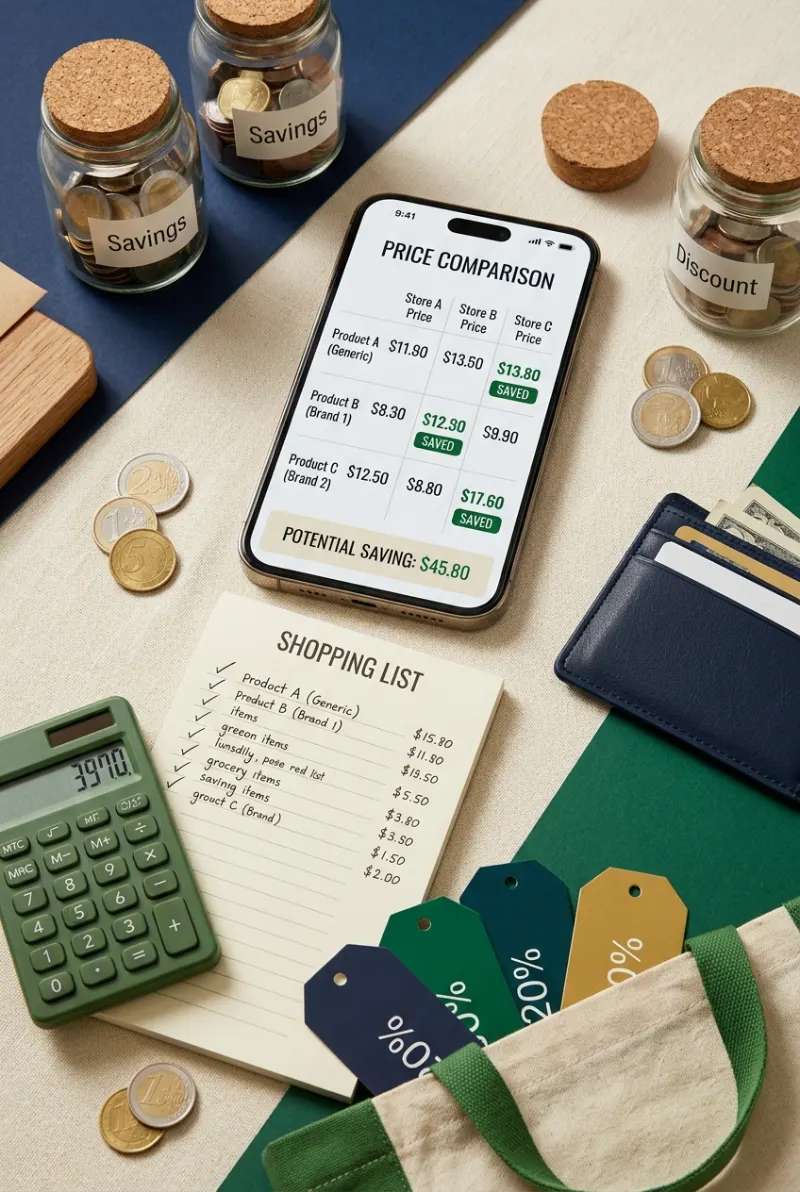
Your home can become a major source of savings. Reuse useful items, reduce waste, and find simple alternatives before buying something new. Frugal living works best when it feels practical instead of restrictive.
- Use what you already own.
- Reduce waste before buying replacements.
- Learn simple DIY skills.
41. Reuse Items Before Throwing Them Away
Many household items have another useful purpose. Glass jars can hold small items, old containers can organize supplies, and fabric can become cleaning cloths. Reusing items can reduce unnecessary purchases.
42. Make Simple Cleaning Products
Some household cleaning tasks do not require many specialized products. Learn safe and simple cleaning methods using common household supplies. Always check proper safety guidance before mixing or using cleaning products.
43. Borrow Items You Rarely Use
You may not need to own every tool or piece of equipment. Borrow suitable items from trusted friends or family when practical. This works well for tools, event supplies, books, and occasional-use equipment.
44. Use Your Local Library
Libraries can provide books, learning resources, magazines, and other useful services. Instead of buying every book you want to read, check whether your local library offers it for free.
45. Learn Skills Online
Free learning resources can help you develop useful skills. Learn cooking, basic repairs, budgeting, writing, design, or other practical skills. New skills can reduce costs and may even create future earning opportunities.
46. Grow Some Herbs at Home
Fresh herbs can become expensive when you buy small packets repeatedly. If you have suitable space, grow simple herbs in pots. Even a small home garden can provide useful ingredients over time.
47. Reduce Water Waste
Fix leaks and avoid leaving water running unnecessarily. Use water carefully while washing dishes, brushing your teeth, or cleaning. Lower water waste can help reduce utility costs.
48. Use Reusable Items
Reusable bottles, bags, containers, and cups can reduce repeated purchases. Choose items you will actually use. The goal is not to buy more reusable products but to replace frequent disposable spending.
49. Organize Your Home Before Shopping
A messy home can make you buy things you already own. Organize storage areas and check what you have before shopping. You may find forgotten products that can meet your needs.
50. Have a Monthly Declutter Day
Choose one day each month to review your belongings. Sell, donate, recycle, or reuse suitable items. Decluttering can help you understand what you already own and reduce future unnecessary shopping.
Money Saving Tips for Transport and Travel
Transport costs can become a large part of a monthly budget. You can often lower them without changing your whole lifestyle. Compare options, plan ahead, and avoid unnecessary trips whenever possible.
- Combine errands into fewer trips.
- Compare transport costs.
- Plan travel purchases early.
51. Combine Your Errands
Plan several errands for the same trip instead of driving out several times. Combining trips can save fuel, time, and transport costs. It also makes your weekly routine easier to manage.
52. Compare Public Transport Options
Public transport may cost less than driving for some regular trips. Compare fares, travel time, and convenience. Choose the option that fits your schedule and saves money without creating extra problems.
53. Share Rides When Practical
Ride sharing with trusted people can reduce fuel and travel costs. This can work well for regular work trips, school runs, or planned events when everyone agrees on the arrangement.
54. Maintain Your Vehicle
Basic vehicle maintenance can prevent expensive problems. Check tires, oil, brakes, and other required maintenance according to your vehicle manual. Preventive care can help protect both your car and your budget.
55. Compare Fuel Prices
Fuel prices can vary between nearby stations. Check current local prices before filling up when practical. Avoid making a long extra trip just to save a tiny amount, because fuel and time also have value.
56. Walk Short Distances
Walking can save transport money for short and safe trips. It can also add movement to your day. Choose walking when the distance, weather, location, and safety conditions make it practical.
57. Plan Trips Around One Main Route
Group appointments, shopping, and other activities into an efficient route. Better planning can reduce unnecessary travel. It also helps you avoid returning home and going back out later.
58. Travel During Lower-Cost Periods
Prices can change based on dates, demand, and availability. When your schedule allows, compare different travel dates. A little flexibility can sometimes reduce the cost of flights, hotels, or transport.
59. Pack Snacks for Trips
Buying snacks and drinks during every trip can increase travel costs. Pack simple food and water from home. This small habit can be especially useful during road trips and long travel days.
60. Set a Travel Budget Before Booking
Choose your total travel budget before making bookings. Include transport, accommodation, food, activities, and unexpected costs. A clear limit helps you enjoy the trip without creating a money problem afterward.
Fun Ways to Save Without Feeling Miserable
A savings plan should still leave room for enjoyment. You do not need to stop having fun. Instead, find lower-cost activities and make spending intentional. This makes saving easier to continue for the long term.
- Plan low-cost entertainment.
- Replace expensive habits with cheaper options.
- Give yourself small rewards.
61. Try a No-Spend Day
Choose one day each week when you spend nothing outside essential bills. Eat food from home, use free entertainment, and avoid online shopping. This simple challenge can make you more aware of spending.
62. Plan Free Family Activities
Look for parks, walks, free community events, home movie nights, board games, or outdoor activities. Fun does not always require a large budget. Planning free activities can help your family save without feeling restricted.
63. Have a Homemade Coffee Day
If you regularly buy expensive coffee, make it at home several days a week. You can still enjoy your favorite drink while reducing the cost of buying it every day.
64. Choose a Home Movie Night
Restaurant meals and cinema trips can become expensive for families. Choose a movie at home, prepare simple snacks, and make the evening special. You can enjoy quality time without a large bill.
65. Use Free Entertainment Apps Carefully
Many apps provide free content, but too many subscriptions can increase spending. Start with free options and keep only the services you genuinely use.
66. Set a Small Fun Fund
Saving becomes easier when you plan for enjoyment. Put a small amount into a fun category each month. Use that money for hobbies, treats, or entertainment without feeling guilty.
67. Use Free Local Events
Check local community pages, libraries, parks, and public spaces for free events. You may find workshops, markets, exhibitions, family activities, or outdoor events that cost little or nothing.
68. Make Gifts Yourself
Handmade gifts can cost less and feel more personal. Try simple food gifts, crafts, photo collections, or useful homemade items. Focus on the recipient instead of spending money just to impress them.
69. Take a Break From Social Media Shopping
Social media can expose you to constant product recommendations. Take regular breaks from shopping content. Less exposure can reduce the urge to buy products you never planned to purchase.
70. Turn Saving Into a Challenge
Make saving more interesting with a simple challenge. Try saving a fixed amount each week or increasing your savings gradually. Track your progress and celebrate reaching small milestones.
Smart Money Habits for Extra Savings
Once you control daily spending, you can improve your savings system. Automation, extra income, and better money habits can help you reach goals faster. Focus on methods that you can repeat consistently.
- Automate regular savings.
- Save part of unexpected income.
- Use extra income for specific goals.
71. Automate Your Savings
Set an automatic transfer from your main account to your savings account after payday. Automation removes the need to remember every month and makes saving part of your normal routine.
72. Save Part of Your Extra Income
When you receive freelance income, bonuses, gifts, or other extra money, save part of it before spending. You can use the rest for planned needs or enjoyable activities.
73. Use Side Hustle Income for Goals
A small side hustle can create extra money for savings. You could offer freelance writing, design, virtual assistance, tutoring, or another skill. Give that extra income a clear purpose.
74. Save Unexpected Money
Tax refunds, cash gifts, rebates, or other unexpected money can disappear quickly. Consider saving a meaningful portion before deciding how to spend the rest.
75. Create an Emergency Fund
An emergency fund gives you a financial cushion for unexpected costs. Start with a small target and build it gradually. Keep this money separate from your everyday spending when possible.
76. Build a Sinking Fund
A sinking fund helps you prepare for expected future costs. Save small amounts for car repairs, annual bills, school expenses, holidays, or other known expenses before they arrive.
77. Save Your Raises
When your income increases, avoid increasing every expense immediately. Save part of the extra income. This habit can improve your savings rate while still giving you room to enjoy your progress.
78. Increase Your Savings Slowly
You do not need to make a huge jump in savings. Start with an amount you can manage and increase it when your income or budget improves. Small increases can create strong habits.
79. Set Savings Milestones
Break a large goal into smaller targets. Instead of focusing only on saving $5,000, celebrate reaching $500, $1,000, and other milestones. Smaller targets make long-term saving feel more achievable.
80. Give Every Savings Goal a Name
Named goals can feel more meaningful than a general savings balance. Use names such as “Emergency Fund,” “New Laptop,” “Holiday,” or “Business Fund.” A clear purpose can make it easier to protect your savings.

Frugal Habits That Can Save More Money
Frugal living does not mean living a poor or unhappy life. It means using your money carefully and getting more value from what you already have. The best habits reduce waste without making daily life difficult.
- Buy less and use more.
- Learn basic repair and reuse skills.
- Focus on value instead of cheap prices.
81. Use Products Until They Are Finished
Do not replace useful products simply because something newer is available. Finish toiletries, cleaning products, notebooks, and other supplies before buying replacements when it makes sense.
82. Buy in Bulk Only When It Saves
Bulk buying can reduce the unit price, but it can also create waste. Buy larger quantities only when you use the product regularly and have enough storage space.
83. Freeze Food Before It Spoils
Freezing suitable food can help extend its useful life. Freeze extra bread, cooked meals, vegetables, or other foods according to safe storage guidance. This can reduce waste and future grocery spending.
84. Take Care of Your Clothes
Wash, dry, store, and repair clothes properly. Good care can help garments last longer. You may buy fewer replacements when you take care of the clothes you already own.
85. Avoid Buying for Every New Season
Fashion trends can create pressure to buy new clothes often. Build a flexible wardrobe and purchase only what you need. Basic pieces can work across many seasons.
86. Learn Basic Repairs
Learning simple repair skills can reduce replacement costs. Start with easy tasks such as sewing a button, fixing small household issues, or maintaining basic equipment. Use professional help for repairs that require it.
87. Use Free Financial Resources
Libraries, educational websites, community programs, and trusted financial resources can help you learn without paying for every course. Improve your money knowledge before spending money on financial products or services.
88. Compare Before Buying in Bulk
A bulk discount is not always a real saving. Compare the unit price with smaller packages and check expiration dates. Only buy extra when the total value makes sense.
89. Reduce Household Waste
Track what your household throws away. You may notice wasted food, unused supplies, or products that you buy too often. Reducing waste can lower spending without changing your lifestyle dramatically.
90. Practice a “Use It First” Rule
Before buying something new, check whether you already own a similar item. This rule works well for food, clothes, office supplies, beauty products, and household goods.

Extra Money Saving Tips for Online Shoppers and Digital Users
Online shopping makes buying fast and easy. That convenience can also make overspending easier. Use digital tools to track prices, control subscriptions, and create a pause between wanting something and buying it.
- Reduce digital shopping triggers.
- Track online subscriptions.
- Use price comparison tools wisely.
91. Delete Shopping Apps You Rarely Need
Shopping apps can send frequent alerts and discounts. Remove apps that encourage unnecessary spending. You can always visit a website later when you have a planned purchase.
92. Turn Off Promotional Notifications
Disable sales alerts, push notifications, and promotional messages from stores. Your budget becomes easier to protect when your phone is not constantly reminding you to buy something.
93. Use Price Alerts
For planned purchases, price alerts can help you wait for a better deal. This works best when you already need the item and are willing to wait instead of buying something simply because the price drops.
94. Check Digital Subscriptions
Review cloud storage, software, music, video, gaming, and other digital services. Cancel services you no longer use. Digital charges can be easy to overlook because you may never receive a physical bill.
95. Use a Separate Shopping List
Keep online shopping separate from your normal browsing. Add needed products to a list and review them later. This simple system can reduce impulse purchases caused by seeing products while browsing.
96. Avoid “Free Shipping” Traps
Free shipping can encourage people to add unnecessary items to an order. Do not buy extra products just to reach a shipping threshold. Compare the final order cost instead.
97. Check Your Cart Before Checkout
Review your cart before paying. Remove duplicates, impulse items, and products that no longer feel important. A final check can prevent unnecessary purchases.
98. Track Small Digital Purchases
Small app purchases, games, digital products, and online services can add up. Review these charges regularly. A small spending category can help you keep them under control.
99. Use a Cooling-Off List
When you want something, save the product name and price instead of buying it immediately. Check the list after a few days. You may find that the desire was temporary.
100. Use Technology to Support Saving
Technology can help you save when you use it with a clear purpose. Budgeting apps, spreadsheets, reminders, price trackers, and automatic transfers can make money management easier.
How to Make Your Money Saving Plan Stick
The best money saving tips are the ones you can follow for months and years. Do not try to change everything in one week. Pick a few habits, measure your progress, and improve your plan as your income and needs change.
- Start with three habits.
- Track your results every month.
- Increase your savings as you improve.
101. Start With the Easiest Change
Choose one expense that you can reduce without much effort. Success with a small habit can give you confidence to make bigger changes later.
102. Focus on Your Biggest Expenses
Small purchases matter, but large expenses can create bigger savings opportunities. Review housing, transport, food, debt payments, and recurring bills to find areas where meaningful changes may be possible.
103. Use a Weekly Money Check-In
Spend ten to fifteen minutes each week reviewing your spending. Check your balance, upcoming bills, savings progress, and recent purchases. A short routine can prevent financial surprises.
104. Set a Monthly Savings Target
Choose an amount you want to save each month. Keep the target realistic and adjust it when your income or essential expenses change. Consistency matters more than choosing an unrealistic number.
105. Celebrate Small Wins
Saving money can take time. Celebrate milestones in low-cost ways. Reaching your first savings target or completing a no-spend week deserves recognition because these wins help build lasting habits.
106. Avoid Comparing Your Lifestyle
Social media can make other people’s spending look normal. Remember that you do not know their full financial situation. Build a budget around your income, goals, and real needs.
107. Make Saving Automatic
Once you know what you can comfortably save, automate it. Automatic transfers reduce decision-making and help turn saving into a regular habit instead of a monthly struggle.
108. Keep Improving Your Income
Saving is only one side of personal finance. Learning valuable skills and building extra income can increase your ability to save. Freelancing, online services, and other side income streams can support long-term goals.
109. Review Your Goals Every Three Months
Your priorities can change. Review your savings goals every few months and update them when needed. This keeps your financial plan connected to your current life.
110. Build a Money System That Fits You
There is no single perfect budgeting system for everyone. Choose tools and habits that you can actually maintain. A simple system you follow is more useful than a complicated plan you abandon.
Final Thoughts on Saving Money
Saving money does not require a perfect income or a strict lifestyle. It starts with simple choices that you can repeat. Track your spending, reduce waste, plan your purchases, and give your savings a clear purpose.
You do not need to use all 110 ideas at once. Pick three money saving tips from this list and try them for the next 30 days. Once they become normal habits, add three more.
The goal is not to stop spending money. The goal is to spend with purpose, save with a plan, and use your money to build the life you want.






- Be Respectful
- Stay Relevant
- Stay Positive
- True Feedback
- Encourage Discussion
- Avoid Spamming
- No Fake News
- Don't Copy-Paste
- No Personal Attacks
- Be Respectful
- Stay Relevant
- Stay Positive
- True Feedback
- Encourage Discussion
- Avoid Spamming
- No Fake News
- Don't Copy-Paste
- No Personal Attacks
