24 Cheap Hobbies You Can Start Right Now for Beginners in 2026
Published: 14 Nov 2026
Cheap hobbies can fill your time with joy without emptying your wallet. You do not need costly gear, paid classes, or a big budget to start something fun. This guide shares 24 simple ideas that cost little or nothing. Pick one that fits your time and mood, then begin today.
Many guides list ideas but skip the real cost, so beginners buy the wrong kit first. Here, every hobby shows an approximate starting cost and a clear first step. Most ideas use things you already own or one small supply. Try one hobby for two weeks before you spend more.
1. Reading Books
Reading is one of the cheapest hobbies you can start right now. A good book can calm your mind, teach new ideas, and open worlds in quiet moments. Borrow books from a library, swap with friends, or read free ebooks online. The approximate starting cost is $0.
Start with a short book in a topic you already enjoy. Read for fifteen minutes each day, and keep a simple note of lines you like. Set a small goal, like one book each month, and let your habit grow slowly without pressure or cost.
2. Journaling
Journaling gives your thoughts a safe place to land each day. You can write about your day, your goals, your worries, or three small things you feel thankful for. A plain notebook and a pen are enough for this habit. The approximate starting cost is $5.
Pick a fixed time and write for ten minutes without judging your words. Try simple prompts when you feel stuck, like what went well today or what you want tomorrow. Keep your journal private, and let honest writing help you think more clearly over time.
3. Drawing and Sketching
Drawing turns a blank page into a place to play. You do not need talent to start, because simple shapes, faces, and everyday objects are perfect practice. A pencil and paper can carry you through your first month of learning. The approximate starting cost is $10.
Start by sketching one object each day, such as a cup, a plant, or your hand. Use free video lessons to learn shading, shapes, and simple perspective at your own pace. Keep your early sketches, even the messy ones, so you can see real progress after a few short weeks.
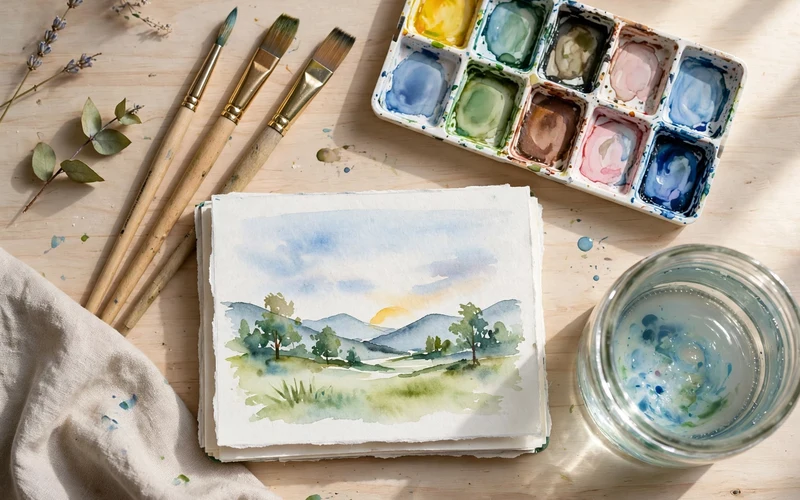
4. Watercolor Painting
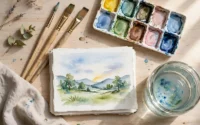
Watercolor painting feels light, soft, and relaxing. You can paint skies, flowers, and simple scenes with a few colors and a little water. Mistakes blend into soft washes, so you can enjoy the process without chasing a perfect result. The approximate starting cost is $20.
Buy a small student paint set, one brush, and a pad of thick paper to start. Watch a short beginner lesson, then paint one simple scene in twenty minutes. Let each layer dry before you add more color, and keep your first paintings to learn what you enjoy most.
5. Cooking at Home
Cooking at home is a useful hobby. You learn new flavors, build confidence in the kitchen, and turn simple pantry food into tasty meals. Start with easy recipes that use few ingredients and short steps, so early wins keep you going. The approximate starting cost is $15.
Pick one new recipe each week and cook it twice until it feels easy. Learn basic skills first, like chopping, seasoning, and cooking rice or pasta well. Taste as you cook, write down what worked, and slowly build a small set of meals you love to make.
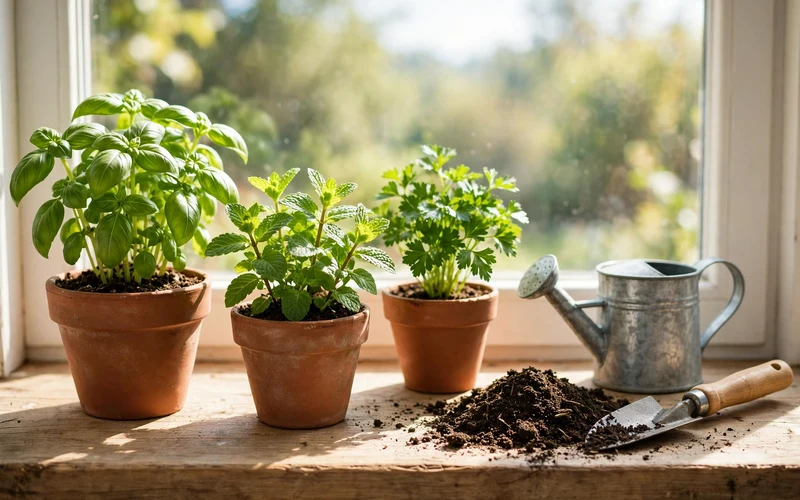
6. Growing Herbs
Growing herbs gives you fresh flavor for cooking. Basil, mint, and parsley grow well in small pots on a sunny windowsill, even with little space. You water them, watch them grow, and snip leaves when you need them for meals. The approximate starting cost is $12.
Buy one small pot, soil, and a packet of seeds. Place the pot where it gets several hours of light each day, and water only when the soil feels dry. Start with one herb, learn its needs, and add a second plant later.
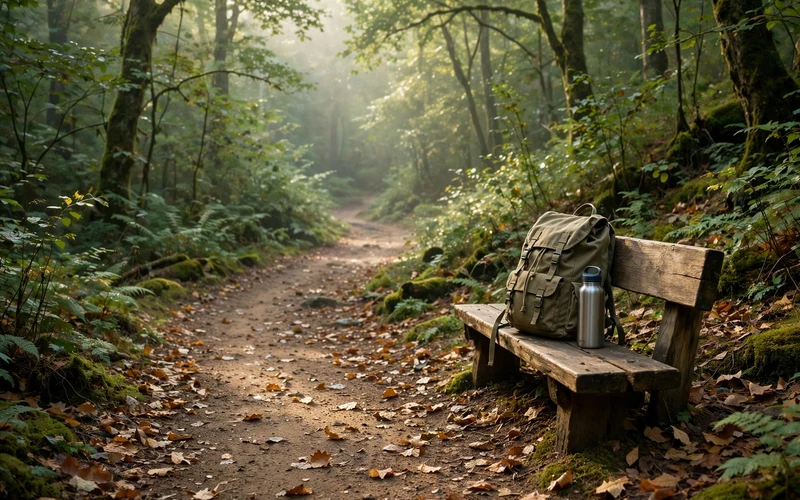
7. Hiking
Hiking is a free way to move your body, clear your mind, and enjoy air. A short walk can lift your mood and help you sleep better. You can start with easy paths in a park and build up to longer walks over time. The approximate starting cost is $0.
Use shoes you already own, carry water, and pick a short, marked trail for your first walk. Tell someone your route, start early, and walk at a slow, steady pace with breaks. Bring a small bag, wear sun protection, and enjoy the sounds of nature around you.
8. Yoga at Home
Yoga at home helps you stretch, breathe, and relax. Gentle poses can ease stiff muscles, calm a busy mind, and build strength. You only need a small clear space and a mat or a thick towel to start. The approximate starting cost is $10.
Follow a free beginner video for fifteen minutes, three times each week, and move slowly. Focus on your breath, skip any pose that hurts, and rest in a simple pose when you feel tired. Keep sessions short at first, and add time only when your body feels ready and strong.
9. Meditation
Meditation is a quiet hobby that helps you slow down and notice your thoughts. A few calm minutes each day can improve focus and ease tension. You need no gear at all, just a quiet spot and a few minutes of time. The approximate starting cost is $0.
Sit in a comfortable chair, close your eyes, and breathe slowly for five minutes each morning. When your mind wanders, gently bring your focus back to your breath without blame. Use a free guided session if you like support, and grow your time slowly to ten minutes.
10. Learning a New Language
Learning a new language opens new books, shows, songs, and talks with people. It also keeps your brain active as you learn words, sounds, and simple sentences step by step. Free apps and videos make it easy to practice a little each day. The approximate starting cost is $0.
Pick one language you truly like, and set a daily goal of ten minutes of practice. Learn greetings and common words first, then build short sentences and listen to simple audio. Speak out loud, repeat new words often, and review old lessons so the words stay fresh in memory.
11. Playing the Ukulele
The ukulele is a small, light, and friendly instrument. It has only four strings, so you can learn a few chords fast and play simple songs in your first week. Its soft sound makes practice fun at home. The approximate starting cost is $30.
Buy a basic beginner ukulele and learn three simple chords from a free video lesson. Practice for ten minutes each day, and strum slowly while you switch chords with care. Learn one easy song, play it often, and add a new chord only when the first ones feel smooth.
12. Phone Photography
Phone photography turns daily walks into a creative hunt for light, color, and small details. The camera in your pocket is strong enough for great photos. You can learn framing, light, and editing with free apps and short online lessons. The approximate starting cost is $0.
Pick one theme each week and take ten photos a day. Clean your lens, tap to focus, and try new angles before you press the button. If you later want income from photos, learn how to sell stock photos online with your best shots.
13. Creative Writing
Creative writing lets you build stories, poems, and scenes. It needs no gear, and it grows your imagination with every page you write. Short stories are a great start, because you can finish one in a single sitting and feel proud. The approximate starting cost is $0.
Write for fifteen minutes each day with a simple prompt. Finish a short story, even if it feels rough, and then edit it the next day with fresh eyes. If you want to earn from words, you can also sell digital products online like printables and guides.
14. Origami
Origami turns a plain sheet of paper into animals, flowers, and stars with careful folds. It is quiet, cheap, and very satisfying. You can start with scrap paper, so there is no need to buy a full kit on day one. The approximate starting cost is $8.
Learn two easy folds first from a free video lesson. Fold slowly, press each crease well, and use square paper for neat edges. Keep your best models on a shelf, gift them to friends, and try a harder model only after the easy ones feel simple.
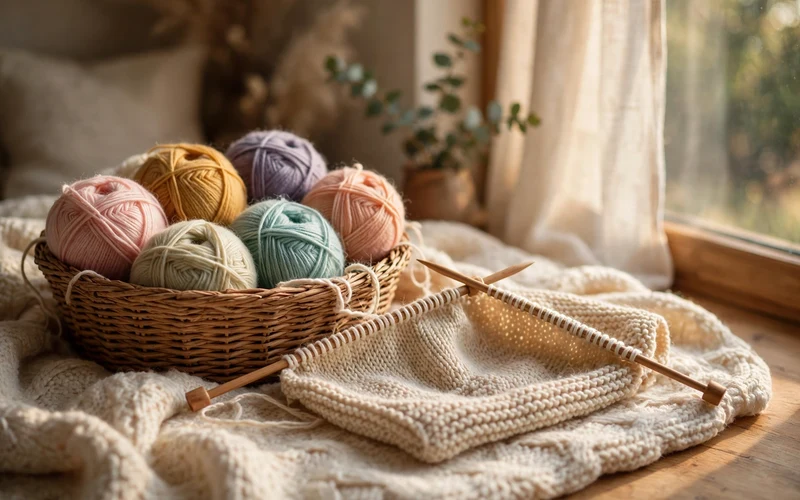
15. Knitting
Knitting is a slow, cozy hobby that turns soft yarn into scarves, hats, and warm gifts. The repeat motion feels calm and restful. A first scarf needs only yarn, needles, and one simple stitch to begin. The approximate starting cost is $15.
Buy one ball of thick yarn and a pair of beginner needles, and learn the basic knit stitch. Practice a small square first, count your stitches, and fix mistakes early before they grow. Knit a little each day, and your first scarf will grow row by row.
16. Birdwatching
Birdwatching teaches you to slow down and notice the birds. You learn their colors, songs, and habits. Each new bird you spot feels like a small win. A free bird app can identify songs and photos, so you can start without costly gear. The approximate starting cost is $0.
Sit near a window or walk in a park for twenty minutes, and watch quietly without rushing. Note the color, size, and song of each bird you see in a small notebook. Learn five common birds first, then look for new ones as the seasons change around you.
17. Stargazing
Stargazing is a free hobby that turns a clear night into a show. You can spot the moon, planets, and star patterns with your eyes alone, no telescope needed. A sky app can name what you see and help you learn the night sky. The approximate starting cost is $0.
Pick a dark spot away from bright lights. Use a free app to find the moon and a few easy star patterns, then look up without your phone for a while. Bring a blanket, dress warmly, and give your eyes time to adjust to the dark.
18. Calligraphy
Calligraphy turns simple letters into art with slow, careful strokes and a steady hand. It feels calm and focused, and your cards start to look special with practice. A basic pen and smooth paper are enough to learn the first letters and shapes. The approximate starting cost is $12.
Buy a beginner calligraphy pen and a pad of smooth paper, and practice basic strokes. Copy one letter at a time, keep your hand relaxed, and write slowly instead of rushing. Use guide sheets to keep your letters even, and fill cards with your best words.
19. Chess
Chess is a smart, free hobby that sharpens your thinking with every game you play. You learn to plan ahead, spot patterns, and stay calm. Free apps let you play, solve puzzles, and learn simple tactics at any level. The approximate starting cost is $10.
Learn how each piece moves first, then play short games against a free app at an easy level. Study one simple tactic each week, such as forks or pins, and review your games to find mistakes. Play slowly, think before each move, and enjoy learning instead of chasing quick wins.
20. Baking at Home
Baking at home fills your kitchen with warm smells and gives you treats to share. Cookies, muffins, and simple breads are great first bakes, because they use basic pantry goods and short steps. You learn to measure, mix, and time each bake. The approximate starting cost is $10.
Start with one easy recipe and follow each step with care. Measure your goods well, set a timer, and check the bake a few minutes before it should finish. Taste your batch, note what to change, and try the same recipe again until it turns out right.
21. Starting a Blog
Starting a blog turns your hobby into a place where you can share what you learn. You can write about cooking, crafts, or any topic you enjoy, and readers can find your posts. A simple blog needs only a name and a host. The approximate starting cost is $30.
Pick one clear topic you enjoy, and write short, helpful posts twice each week at first. If you need a step-by-step plan, follow this guide to start a blog from scratch. Share your posts, reply to readers, and keep writing even when growth feels slow at first.
22. Handmade Crafts
Handmade crafts let you turn paper, fabric, and old items into gifts and home decor. You can make cards, wreaths, and decor with basic tools and a little time each week. Crafts also make great gifts, because a handmade item feels personal to receive. The approximate starting cost is $15.
Start with one project, such as a greeting card, and gather only the supplies it needs. Follow a video lesson, work slowly, and keep your first pieces simple and neat. When your work feels ready to sell, learn how to start an Etsy shop.
23. Volunteering
Volunteering is a free hobby that lets you help others while you learn new skills. You can help at a food bank, a library, or a park cleanup. The work feels useful, and it adds real meaning to your free time each week. The approximate starting cost is $0.
Pick a cause you care about, and offer two hours each week to start. Ask what help is needed most, show up on time, and learn the tasks with care. Talk with other helpers, keep a note of what you learn, and grow your role only when you feel ready.
24. Embroidery
Embroidery turns plain cloth into art with thread, a needle, and slow, steady stitches. It is quiet and portable. You can stitch almost anywhere. A small hoop, cloth, and a few thread colors are enough for your first simple design. The approximate starting cost is $15.
Buy a beginner kit with a hoop, cloth, needle, and thread, and learn three basic stitches. Practice on scrap cloth, keep your stitches even, and follow a simple pattern. Finish one small hoop, frame it or gift it, and try a new pattern when you feel confident.
Starting Cost
| # | Hobby | Approximate Starting Cost |
|---|---|---|
| 1 | Reading Books | $0 |
| 2 | Journaling | $5 |
| 3 | Drawing and Sketching | $10 |
| 4 | Watercolor Painting | $20 |
| 5 | Cooking at Home | $15 |
| 6 | Growing Herbs | $12 |
| 7 | Hiking | $0 |
| 8 | Yoga at Home | $10 |
| 9 | Meditation | $0 |
| 10 | Learning a New Language | $0 |
| 11 | Playing the Ukulele | $30 |
| 12 | Phone Photography | $0 |
| 13 | Creative Writing | $0 |
| 14 | Origami | $8 |
| 15 | Knitting | $15 |
| 16 | Birdwatching | $0 |
| 17 | Stargazing | $0 |
| 18 | Calligraphy | $12 |
| 19 | Chess | $10 |
| 20 | Baking at Home | $10 |
| 21 | Starting a Blog | $30 |
| 22 | Handmade Crafts | $15 |
| 23 | Volunteering | $0 |
| 24 | Embroidery | $15 |
All costs above are approximate starting costs. Prices can change with stores, sales, and the supplies you already own, so check current prices before you buy.
Mistakes to Avoid
- Buying a full expensive kit before you try the hobby once.
- Picking three hobbies at once instead of starting with just one.
- Comparing your first tries with skilled makers online.
- Skipping practice for weeks and then expecting fast progress.
- Choosing a hobby only because it looks good in photos.
- Spending on premium gear when a basic version works fine.
- Quitting after one bad result instead of trying a second time.
- Ignoring your space, time, and energy when you pick a hobby.
Frequently Asked Questions
What is the cheapest hobby to start?
Reading, meditation, stargazing, birdwatching, and phone photography cost about $0 to start. They use a library card, free apps, or things you already own, so you can try them today without buying anything new.
How do I pick one hobby from this list?
Pick the idea that sounds fun even on a tired day, not the one that looks best online. Try it for two weeks in short sessions, then keep it if you look forward to it and drop it if you do not.
How much money do I need to start a cheap hobby?
Most hobbies in this guide start for $0 to $30, and many need nothing at all. Start with free tools, borrowed gear, or one small supply, and spend more only after you enjoy the hobby for a few weeks.
Can a cheap hobby help me earn money later?
Yes, some hobbies can lead to income over time, such as blogging, crafts, photos, and writing. Focus on learning and enjoying the hobby first, because income takes time, practice, and steady work to build.
How much time should I give a new hobby each week?
Start with two or three short sessions of fifteen to twenty minutes each week. Short, regular practice builds skill faster than one long session, and it fits easily into a busy week.
Do I need talent to start a creative hobby?
No, you do not need talent to start. Beginners improve fast with simple practice, free lessons, and small projects. Your early work may look rough, and that is normal for everyone who starts something new.
What if I get bored with a hobby I picked?
That is normal, and it does not mean you failed. Pause the hobby, try a different idea from this list, and come back later if you miss it. A hobby should feel fun, not like a chore.
Can I start a hobby with no space at home?
Yes, many hobbies need only a chair and a small table, such as reading, journaling, origami, and chess. Others, like hiking, birdwatching, and stargazing, take place outside, so they need no room at home at all.
Conclusion
Cheap hobbies prove that fun does not need a big budget or fancy gear. Pick one idea from this list, give it two weeks of short tries, and notice how it fits your days. Small steps build skill, calm, and joy over time, so start today with what you have.
Tutoring is not listed here because it is covered in a separate tutoring-jobs article. That keeps this guide focused on hobbies you can start for fun, rest, and learning. Choose your hobby, set a small goal, and enjoy the simple pleasure of making progress each week.



- Be Respectful
- Stay Relevant
- Stay Positive
- True Feedback
- Encourage Discussion
- Avoid Spamming
- No Fake News
- Don't Copy-Paste
- No Personal Attacks
- Be Respectful
- Stay Relevant
- Stay Positive
- True Feedback
- Encourage Discussion
- Avoid Spamming
- No Fake News
- Don't Copy-Paste
- No Personal Attacks
