50 Best Ways to Save Money for Beginners in 2026
Published: 24 Nov 2026
Introduction
There are many simple ways to save money that fit real life, even when income feels tight. Small choices add up faster than most people expect, and you do not need a big salary to start. This guide gives you fifty clear ideas you can try one by one.
Each idea below comes with two short parts that explain what to do and why it works. You can pick the easiest ones first and add more as saving becomes a habit. Over time, these small wins build real confidence and leave more cash in your pocket each month.

1. Understand What Drives Impulse Buying
Impulse buying starts with a trigger, such as stress, boredom, or a flash sale that feels urgent. When you notice what pushes you to buy, you can pause before you spend. A short wait of one day often shows that you never needed the item at all.
Try a simple rule: wait twenty-four hours before buying anything that is not on your list. During that pause, ask yourself if the item solves a real problem or just fills a moment. Most urges fade quickly, and your wallet stays fuller because you chose to wait.

2. Create a Budget That Fits Your Life
A budget is a simple plan that shows where your money goes each month. Start by writing down your income, then list your fixed bills and daily spending. When you see the full picture, you can decide what to keep, cut, or change without guessing.
Pick a method that feels easy, such as the 50/30/20 rule for needs, wants, and savings. Track your spending for one month and adjust the numbers until they feel real. If you want more ideas, explore the best budgeting methods and choose one that fits your life.

3. Cut Unnecessary Subscriptions
Subscriptions quietly take money every month, even when you forget they exist. Look at your bank statement and list every streaming service, app, and membership you pay for. You may find two or three that you never open or use anymore.
Cancel the ones you do not use and keep only the services that bring real value. Set a monthly reminder to review them again, because free trials often turn into paid plans. The money you free up can go straight into savings instead.
4. Find Ways to Earn Free Money
Free money sounds too good to be true, yet small rewards are common in daily life. Cashback apps, sign-up bonuses, and referral rewards can add up over time. The key is to use them for spending you already planned, not as a reason to buy more.
Start with one or two trusted apps and learn how their rewards work. Always read the terms, since some bonuses need a first purchase or a minimum spend. Treat these rewards as a bonus, not income, and move the extra cash into your savings account.

5. Cook at Home Instead of Eating Out
Cooking at home costs far less than eating out, even when you buy good ingredients. A simple meal of rice, beans, and vegetables can feed a family for a few dollars. When you cook in batches, you save time and always have a meal ready.
Plan your meals for the week before you shop, and buy only what the plan needs. Keep a few quick recipes ready for busy nights so takeout feels less tempting. Over a month, home cooking can save more than any single coupon or deal.

6. Reduce Your Spending on Coffee
A daily coffee shop visit feels small, but the cost adds up fast over a month. A five-dollar drink five days a week becomes a real dent in your budget. Making coffee at home gives you the same comfort for a fraction of the price.
Buy a simple coffee maker and a bag of beans you enjoy, then set up a small morning routine. If you love the coffee shop, limit visits to once a week as a treat. You keep the pleasure and still save a large amount each month.

7. Find a Free Frugal Activity When You Are Bored
Boredom often leads to spending, because shopping feels like entertainment. A free walk, a library visit, or a home movie night can fill the same gap without cost. The goal is to enjoy your time without letting it drain your wallet.
Make a list of free activities you enjoy and keep it where you can see it. When boredom hits, pick one from the list instead of opening a shopping app. Over time, you will find that free fun feels just as good as paid fun.
8. Buy Generic or Store-Brand Products
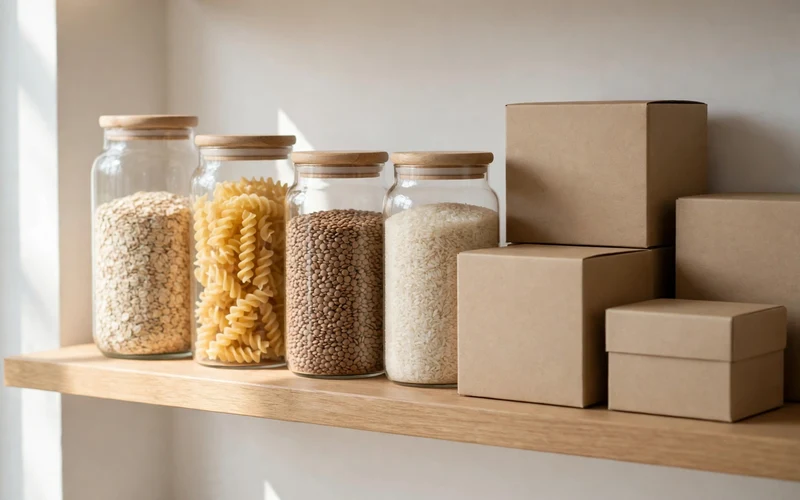
Store-brand products often come from the same factories as famous brands, yet they cost much less. The main difference is usually the label, not the quality inside the box. Trying a generic version of one item is a low-risk way to test this idea.
Start with pantry staples such as rice, oats, and canned goods, where the taste gap is tiny. If you like the generic version, switch more items over time. The savings on each shop may look small, but they grow into real money each year.
9. Buy Discounted Gift Cards
Discounted gift cards let you pay less for things you already plan to buy. You can find them on trusted resale sites and through cashback apps at a lower face value. A ten percent discount means every ten dollars of shopping costs only nine.
Only buy cards for stores you visit often and trust, and check the balance, the fees, and expiry terms first. Avoid deals that look too good, since they may be scams. Used wisely, discounted cards turn regular shopping into steady, simple savings.

10. Buy a Used Car Instead of a New One
A new car loses value fast in its first years, while a good used car costs far less. You can find reliable cars with low mileage if you shop with care and patience. A trusted mechanic can check the car before you sign anything.
Compare prices online, check the vehicle history, and set a firm budget before you visit a seller. A lower price also means lower insurance and tax costs. The money you save can cover repairs and still leave room for your savings goals.

11. Furnish Your Home on a Budget
Furnishing a home does not need new furniture from expensive stores. Second-hand shops, online marketplaces, and community groups often sell solid, well-made pieces for very little. A little patience helps you find quality items that fit your space and your budget.
Start with the pieces you truly need, such as a bed and a table, then add more over time. A fresh coat of paint or new handles can make an old piece look new. Your home can feel warm and stylish without a big furniture bill.
12. Invest in an Adult Piggy Bank
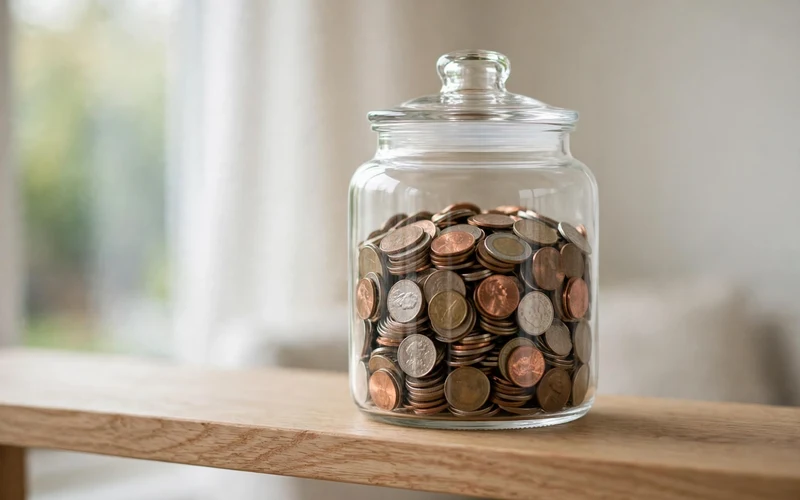
A piggy bank is not just for children, because it makes saving visible and fun. Dropping spare coins and small bills into a jar each day builds a habit. Watching the jar fill up gives you a clear sign that your effort is working.
Pick a clear jar so you can see your progress, and set a goal for when it is full. At the end of each month, move the cash into your savings account. This small daily habit can grow into a surprising amount over a year.
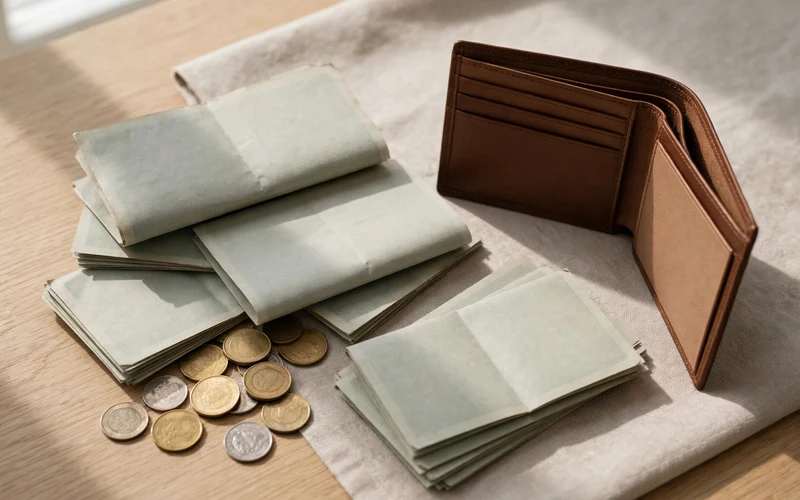
13. Start Saving Five to Ten Dollars a Day
Saving five to ten dollars a day sounds small, yet it grows into real money fast. Ten dollars a day becomes three hundred dollars in a month and far more in a year. The habit matters more than the amount, because it builds steady progress.
Move the money into savings each morning, before you have a chance to spend it. If ten dollars feels hard, start with five and raise it slowly. If money feels tight, learn how to save on low income and start with a tiny amount.
14. Save Money by Earning Free Gift Cards
Free gift cards can cover small treats and gifts without touching your bank balance. You can earn them by taking surveys, watching videos, or using cashback apps in your spare time. The rewards are small, but they add up when you stay consistent.
Choose one or two trusted platforms and use them for a few minutes each day. Save the cards for birthdays, holidays, or items you planned to buy anyway. This turns idle time into real value and keeps more cash in your pocket.
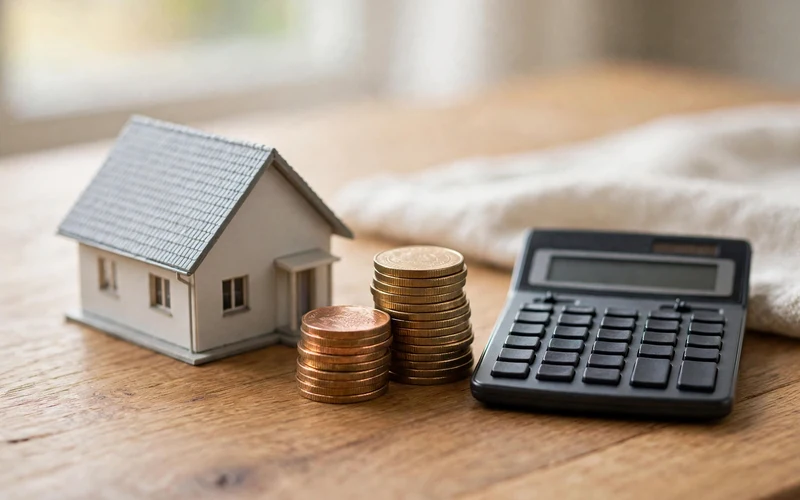
15. Budget for Home Buying and Maintenance
A home needs more than a mortgage payment, because repairs and upkeep never stop. Set aside a small amount each month for fixes such as leaks, appliances, and paint. A repair fund stops a broken pipe from turning into a debt problem.
Aim to save a little from every paycheck into a separate home fund. Even a small fund gives you peace of mind when something breaks. Plan the fund early, review it twice a year, and grow it as your income allows.

16. Take Advantage of Birthday Freebies
Many restaurants and stores offer free treats on your birthday if you join their rewards program. A free dessert, drink, or snack can make your day special without spending extra. Signing up is usually free and takes only a few minutes.
Join the programs of places you already visit and note your birthday month in advance. Plan a few free treats into your celebration week and enjoy them guilt-free. These small perks add joy to your birthday while keeping your budget safe.
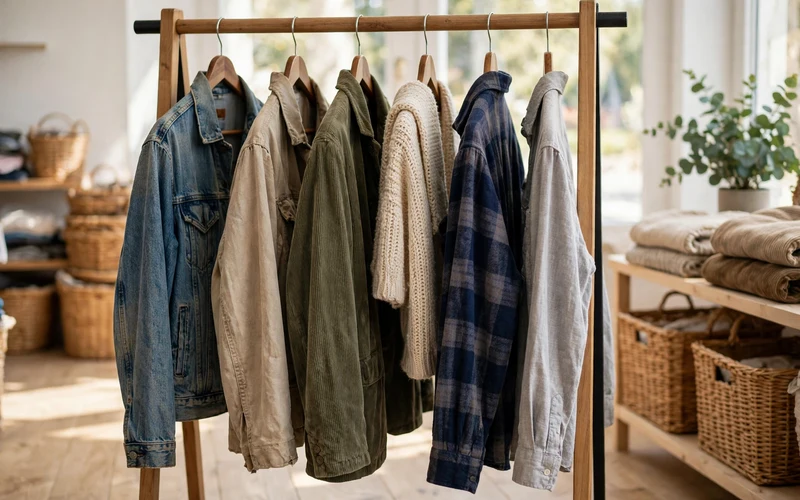
17. Buy Second-Hand Items
Second-hand items often work just as well as new ones, yet they cost far less. Thrift stores and online marketplaces sell clothes, books, and tools in good shape. Buying used also keeps useful items out of the trash, which helps the planet.
Check the item carefully before you buy, and look for signs of wear or damage. Start with items where condition matters less, such as books and kitchen tools. Over time, second-hand shopping becomes a smart habit that saves real money.

18. Use the Library Instead of Buying Books
A library card gives you free access to books, movies, and even online courses. Borrowing instead of buying saves a lot each month, especially if you read often. Many libraries also lend e-books and audiobooks you can enjoy from home for free.
Visit your local library and explore the shelves, or use its app to borrow digital titles. Return books on time to avoid late fees and keep the habit free. Reading more while spending less is one of the easiest wins in this guide.
19. Carpool to Work
Carpooling splits fuel and parking costs between riders, so everyone pays less. It also cuts wear on your car and gives you company on the road. Even sharing rides two days a week makes a clear difference to your monthly costs.
Ask coworkers who live nearby if they want to share the drive, and set a simple weekly schedule. Take turns driving so the effort feels fair for everyone. The savings grow each month, and the commute often feels shorter with good company.

20. Save Money by Making More Money
Saving gets easier when your income grows, because you have more to work with. A small side job, freelance work, or selling a skill can add extra cash each month. Even a few extra hours a week can change your savings picture.
Pick a side income that fits your skills and your free time, such as writing, tutoring, or delivery work. Send every extra dollar straight to savings before you get used to spending it. More income plus steady habits is a strong path to your goals.

21. Sell Your Unwanted Electronics
Old phones, tablets, and game consoles often sit in drawers while they still hold value. Selling them online or to a trade-in program turns clutter into cash. Even an older device can earn enough to cover a bill or start a savings fund.
Wipe your personal data from each device and check prices on a few selling sites first. Take clear photos and describe the condition honestly to attract buyers. The cash you earn is a bonus, and your home feels lighter without the clutter.

22. Balance Eating at Home and Going Out
Eating out every day drains a budget fast, yet cooking every meal can feel dull. A balance works best, with home meals during the week and one restaurant visit on the weekend. You enjoy both the savings and the treat without guilt.
Set a monthly dining budget and track it with care like any other bill. Choose cheaper lunch menus or share a main dish when you go out. This simple balance keeps food fun while leaving more money for your savings goals.

23. Have a Potluck with Your Friends
A potluck lets everyone share food and costs, so no single person pays for the whole meal. Each guest brings one dish, and the table ends up full of variety. It is a warm way to gather without the price of a restaurant.
Plan the menu together so dishes do not repeat, and keep the recipes simple. Host at home or in a park to avoid venue costs. Potlucks build strong friendships and prove that a great evening does not need a big bill.
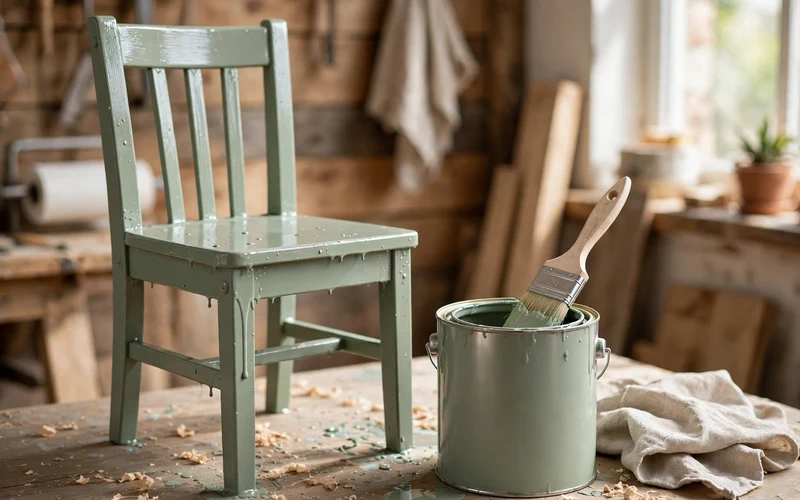
24. Refurbish or Paint Old Furniture
Old furniture often has solid bones hiding under a worn finish. A coat of paint, new fabric, or fresh handles can turn a tired piece into a stylish one. Refurbishing costs far less than buying new and gives you a piece with character.
Start with a small project, such as a side table or a chair, and learn the basic steps online. Work in a ventilated space and take your time with sanding and drying. The result feels personal, and the savings stay in your pocket.

25. Exercise at Home or Outdoors
A gym membership is not the only way to stay fit, and it is not always the cheapest. Home workouts, running, and bodyweight exercises cost little or nothing at all. Free videos online can guide you through safe and simple routines.
Set a regular time for movement and pick activities you enjoy, such as walking or cycling. Use park trails and home space instead of paid machines. Staying fit for free leaves more money for savings and still keeps you healthy.

26. Go Biking or Rollerblading Instead of the Mall
A trip to the mall often ends with spending you never planned, even when you only went to look. Biking or rollerblading gives you fresh air and fun without the temptation of shop windows. It turns a free afternoon into real exercise too.
Pick a safe trail or park and invite a friend to join you for the ride. Bring water and snacks from home so you do not need to buy anything. You come home refreshed, active, and with your money still in your pocket.

27. Reduce Your Soda and Juice Intake
Soda and juice seem cheap, yet buying them every day adds up to real money. They also add sugar that your body does not need, so cutting back helps your health too. Replacing them with water is one of the simplest swaps you can make.
Keep a refillable bottle nearby and fill it before you leave home. If you miss the fizz, try sparkling water with a slice of lemon. Your grocery bill drops, your energy steadies, and your savings grow a little each week.

28. Drink More Water
Water is the cheapest drink you can choose, and it is also the healthiest. A glass of water before meals can even help you eat less and feel full sooner. When you carry a bottle, you stop buying drinks on the go.
Use a reusable bottle and refill it at home, at work, or at public fountains. Add fruit or herbs if you want flavor without sugar or cost. This tiny habit saves money every day and supports your health at the same time.

29. Grow Your Own Vegetables
Growing vegetables at home turns a small patch of soil into fresh food for your table. Herbs, tomatoes, and leafy greens are easy to start, even in pots on a balcony. A few dollars of seeds can grow into many meals over a season.
Start with two or three easy plants and learn as they grow. Water them every single day and enjoy the simple joy of picking your own food. Home-grown vegetables cut your grocery bill and taste fresher and tastier than store-bought ones.

30. Do Not Speed While Driving
Speeding saves only a few minutes, yet it can cost you a fine worth hundreds of dollars. It also burns more fuel and wears out your car faster. Driving at a steady pace keeps you safe and keeps money in your pocket.
Leave a few minutes earlier so you never feel rushed on the road. Use cruise control on highways to hold a steady speed and save fuel. Safe driving is a quiet money habit that pays you back every single day.
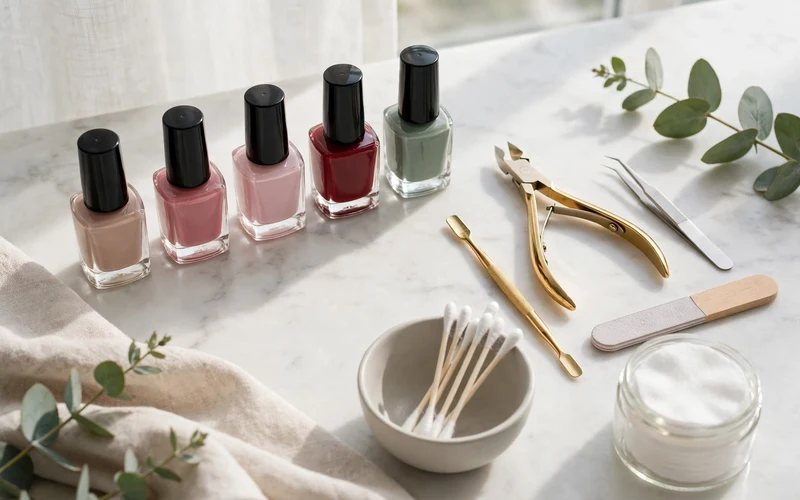
31. Do Your Own Nails at Home
A salon manicure feels lovely, but regular visits add up to a large yearly cost. A basic home kit with polish and tools costs about the same as one salon trip. With a little practice, you can get neat results at home.
Watch a few tutorials and start with simple styles before trying fancy designs. Set aside a calm evening each week for your at-home nail care routine. You keep the pampering ritual and save the salon fee for your savings goals.
32. Automate Your Bills, Savings, and Investments
Automation moves your money before you can spend it, which makes saving effortless. Set up automatic transfers to savings on payday and automatic payments for your bills. You avoid late fees and build savings without thinking about it each month.
Start with a small automatic transfer, even if it is only a few dollars per paycheck. Increase the amount slowly as you get used to living without it. Automation turns good intentions into a system that works while you focus on life.

33. Earn Cash or Gift Cards with Online Surveys
Online surveys pay small rewards for your opinions, and you can do them in spare moments. The pay is modest, but a few minutes a day adds up over a month. It is a simple way to earn while waiting in line or relaxing at home.
Join a few trusted survey sites and complete your profile so you get matched with more surveys. Cash out your rewards often and move them to savings or gift cards. Treat survey earnings as extra money, not as a main source of income.

34. Get Paid to Shop with Cashback Apps
Cashback apps return a small part of your spending as money back in your pocket. You shop as normal, scan a receipt or click through the app, and the reward builds up. Over a year, the total can cover a gift or a small bill.
Compare a few cashback apps and pick one with stores you already use. Always check that the deal is real before you buy, and never spend extra just to earn cashback. Used with care, cashback turns routine shopping into steady savings.

35. Sell Your Clothes You No Longer Wear
Closets often hold clothes that no longer fit or match your style, yet they still hold value. Selling them online or at a consignment shop turns them into cash. A clean and tidy closet is a pleasant bonus on top of the extra money.
Sort your clothes by season and condition, then photograph the best pieces in good light. Price them fairly so they sell quickly instead of sitting for months. The cash you earn can go straight into savings or toward items you truly need.
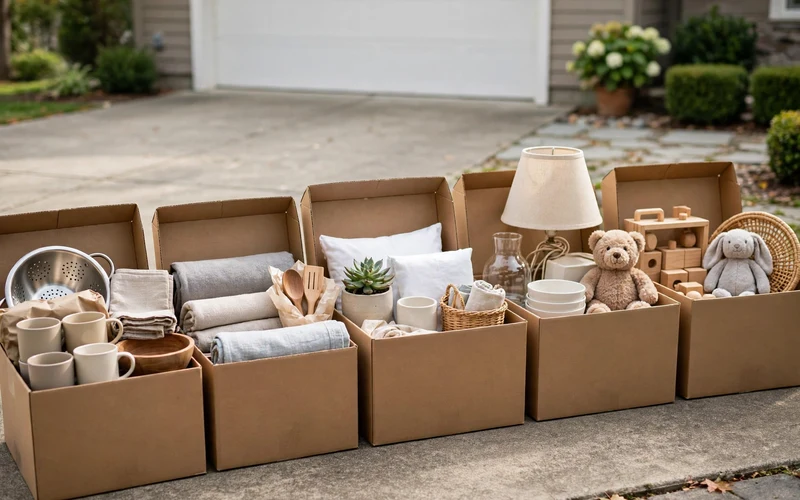
36. Sell Your Clutter Around the House
Every home has clutter that no one uses, from old gadgets to spare kitchen tools. Selling these items frees space and puts cash back in your pocket. One small sale a week can add up to a useful amount over time.
Pick one shelf or drawer each weekend and list anything in good shape that you no longer need. Price items to sell fast and be honest about their condition. Your home becomes calmer, and your savings grow with each small sale.
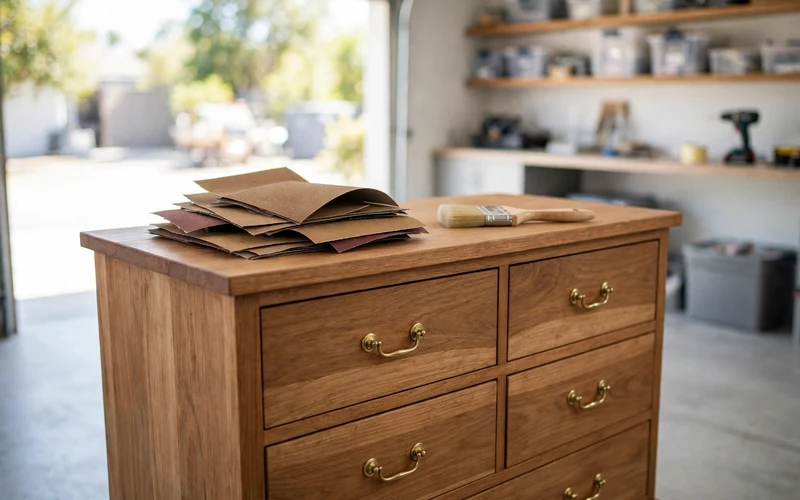
37. Flip and Sell Furniture for Profit
Flipping furniture means buying a used piece cheap, fixing it up, and selling it for more. A fresh coat of paint or new fabric can double the value of a solid table or chair. It is a creative side income that rewards patience and a good eye.
Look for sturdy pieces at yard sales and thrift stores, and avoid items with serious damage. Keep your costs low and price the finished piece fairly. Even one flip a month can add a useful boost to your savings fund.

38. Refinance Your Student Loans
Refinancing a student loan can lower your interest rate and reduce your monthly payment. A lower rate means more of each payment goes toward the loan itself, not interest. Over the life of the loan, the savings can be large.
Compare offers from several lenders and check the fees before you sign anything. Make sure you keep any benefits you need, since refinancing can change your loan terms. Check current rates carefully, because rates change often and vary by lender.

39. Buy Timeless Items That Last
Timeless items never go out of style, so you buy them once and enjoy them for years. A classic coat or a simple pair of shoes works with many outfits and many seasons. Choosing lasting styles stops the cycle of buying new trends every year.
Before you buy, ask if the item will still look good and work well in five years. Spend a little more on quality basics and skip fast trends that fade quickly. Your wardrobe stays simple, and your money stretches much further over time.

40. Buy Quality Over Quantity
Cheap items often break fast, so you end up buying them again and again, year after year. One well-made item can outlast three cheap ones and cost less in the end. Quality is a quiet form of saving that many people overlook.
When you shop, check the material, the stitching, and the reviews before you decide. If you want a fuller plan for smarter daily spending, read how to save money live better and apply one idea at a time. Good items last longer and save you repeat trips to the store.

41. Shop from Online Consignment Stores
Online consignment stores sell gently used brand items at a fraction of the new price. You can find clothes, bags, and shoes in great shape without leaving home. It is a smart way to enjoy quality items on a small budget.
Check the store’s return policy and read the item description carefully before you buy. Look for clear photos and honest notes about wear and tear. With care, consignment shopping gives you style and savings in the same order every single time.
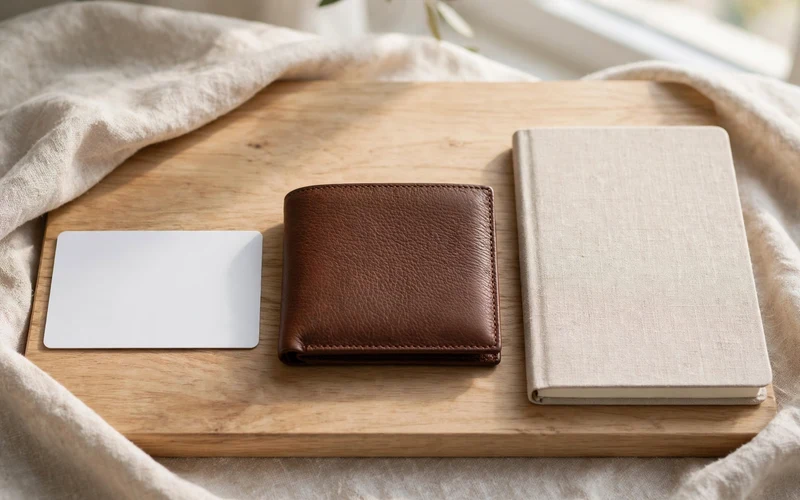
42. Use Credit Cards to Your Advantage
A credit card can be a useful tool when you pay the full balance on time each month. Rewards, cashback, and purchase protection add real value without extra cost. The danger starts only when you carry a balance and pay high interest.
Set up automatic full payments so you never miss a due date. Use the card for planned spending only, and treat it like cash in your wallet. Handled with care, a credit card rewards you instead of trapping you in debt.
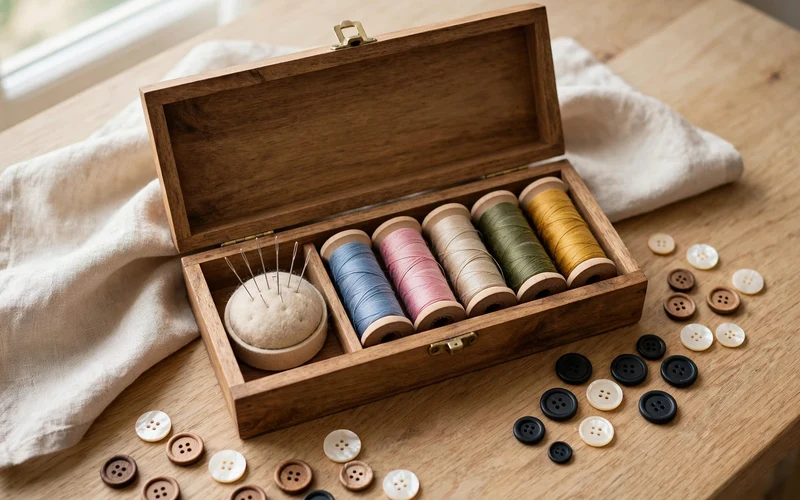
43. Repair Clothing Instead of Buying New
A torn seam or a missing button does not mean a shirt is finished. A small repair takes a few minutes and costs almost nothing, yet it adds months of life to your clothes. Repairing first is a simple habit that saves money again and again.
Learn basic stitches such as sewing a button and fixing a hem, or find a local tailor for bigger jobs. Keep a small sewing kit at home so repairs never wait. Small fixes like these help you avoid bad money habits such as replacing things too soon.

44. Buy in Bulk and Save More
Buying in bulk lowers the price per unit on items you use all the time. Rice, oats, toilet paper, and soap are good examples that store well for months. A bulk trip can cut your cost on everyday basics by a clear amount.
Only buy in bulk what you will truly use before it expires, and check that you have space to store it. Split large packs with family or friends if the amount feels too big. Smart bulk buying saves money without filling your home with waste.

45. Use Public Transportation More Often
Buses and trains cost far less than driving, parking, and car upkeep each month. A monthly pass often pays for itself in a few weeks of commuting. You also gain time to read or rest instead of sitting in traffic.
Plan your route in advance and keep your pass ready so the trip feels easy. Even using public transport a few days a week cuts fuel costs. Over a year, the savings can fund a holiday or a solid emergency cushion.

46. Cancel Unused Gym Memberships
Many people pay for a gym they rarely visit, and the monthly fee keeps leaving the account. If you have not gone in weeks, the membership is costing you money for nothing. A quick check of your visits tells you the truth.
Cancel the membership and switch to free workouts at home or in a park. If you miss the gym later, you can always join again. The money you save each month can go straight into your savings account right away instead.
47. Shop Sales and Use Coupons
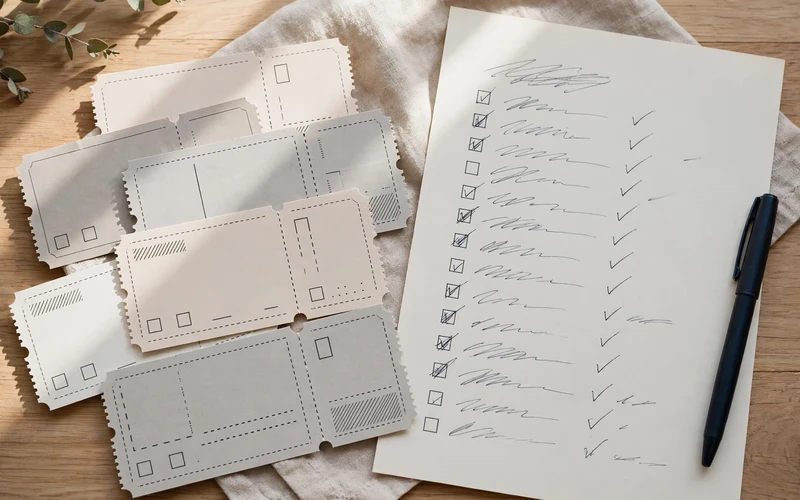
Sales and coupons can cut your grocery bill by a clear amount when you use them well. Plan your shopping around weekly deals and match coupons to items you already need. The trick is to buy on sale, not to buy extra things.
Keep coupons in one place and check them carefully before each weekly shopping trip. Compare the sale price with the regular price to make sure the deal is real. With a little planning, sales become a steady source of real savings.
48. Reduce Energy Usage at Home
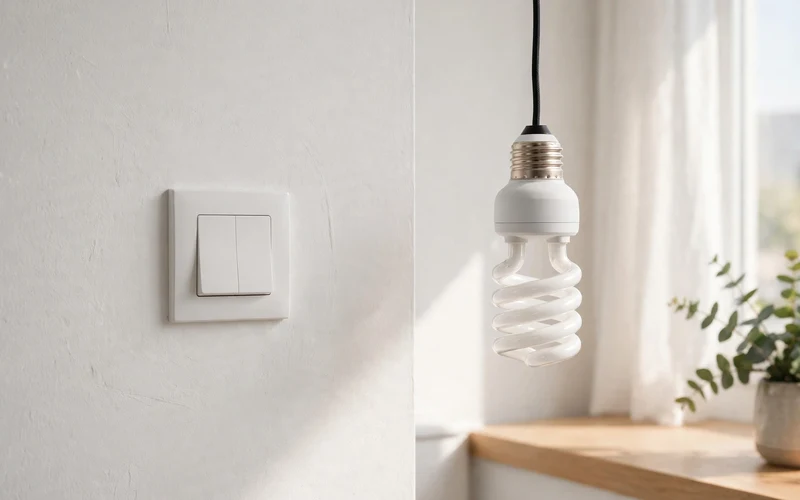
Small energy habits can lower your monthly bills at home without making life less comfortable. Turning off lights, unplugging chargers, and using fans can all help. A lower bill each month is a quiet reward for simple daily care at home.
Switch to energy-saving bulbs and wash clothes in cold water when you can. In warm months, open windows at night instead of running cooling all day. These easy steps cut waste and leave more money in your budget every single month.

49. Unsubscribe from Marketing Emails
Marketing emails are designed to tempt you into buying things you did not plan to buy. Each sale alert and new arrival message can trigger an impulse purchase. Clearing your inbox of these messages removes the temptation at its source.
Unsubscribe today from every store list you do not truly need, and keep only a few favorites. Your inbox becomes calmer, and your spending drops right away without effort. Fewer temptations mean fewer purchases and more money saved each and every month.
50. Beef Up Your Credit Score
A strong credit score can save you money on loans, insurance, and even rental deposits. Lenders offer better rates to people with a good record of paying on time. Building your score is a slow habit with a big long-term payoff.
Pay every bill on time, keep your card balances low, and check your credit report for errors. Small steady steps raise your score over months and years. A better score means cheaper borrowing and more money kept for your goals.
How Much You Could Save Each Month
All figures below are illustrative examples, not guarantees.
| Way | Illustrative Monthly Saving | Effort Level |
|---|---|---|
| Cook at home instead of eating out | $150-$250 | Medium |
| Cut unnecessary subscriptions | $30-$60 | Low |
| Reduce coffee shop spending | $60-$100 | Low |
| Buy generic or store-brand products | $40-$70 | Low |
| Use public transportation more often | $80-$150 | Medium |
| Sell unused items around the house | $50-$120 | Medium |
Mistakes to Avoid
- Spending without a budget and guessing where the money goes each month.
- Buying on impulse during sales without checking if you truly need the item.
- Keeping subscriptions you never use just because cancelling feels like effort.
- Using credit cards for wants and paying only the minimum each month.
- Saving whatever is left over instead of saving first on payday.
- Chasing quick money schemes that promise fast and easy income.
- Comparing your lifestyle with others and spending money to keep up.
- Giving up after one bad month instead of adjusting the plan and trying again.
Frequently Asked Questions
What is the easiest way to save money for beginners?
Start with a simple budget and an automatic transfer to savings on payday. Pick one easy habit, such as cooking at home or cutting one subscription, and do it for a month. Small wins build confidence and make the next habit easier to start.
How much should I save each month?
A common goal is to save about twenty percent of your income, but any amount is a good start. If twenty percent feels out of reach, begin with five or ten percent and raise it slowly. The habit of saving matters more than the exact number.
Can I save money on a low income?
Yes, you can save on a low income by starting very small and cutting one cost at a time. Free habits such as cooking at home, using the library, and walking more cost nothing to start. Even a few dollars a week builds a safety net over time.
How do I stop impulse buying?
Use a twenty-four-hour waiting rule for anything that is not on your list. Unsubscribe from store emails, remove saved payment details from shopping apps, and shop with a list. When the urge fades, you will be glad you waited.
Is cooking at home really cheaper than eating out?
Yes, cooking at home is usually far cheaper than eating out, even with good ingredients. A home meal often costs a few dollars per person, while a restaurant meal costs much more. Meal planning and batch cooking make the savings even bigger.
Should I pay off debt or save money first?
Do both in balance by building a small emergency fund first, then paying extra toward high-interest debt. A small cushion stops new surprises from pushing you back into debt. Once the costly debt is gone, you can raise your savings faster.
Do cashback apps really save money?
Yes, cashback apps return a small part of what you already spend, and the rewards add up over time. The key is to use them only for planned purchases and never buy extra items just to earn cashback. Treat the rewards as a bonus, not as income.
How long does it take to build a savings habit?
Most people need a few weeks of steady practice before saving feels natural. Start with one small habit, track your progress each week, and celebrate each milestone. After a month or two, the habit often runs on its own.
Conclusion
Saving money is not about giving up joy, but about making small smart choices every day. Pick three ideas from this list and start them this week, then add more as they become habits. Your future self will thank you for every dollar you kept and every goal you reached.





- Be Respectful
- Stay Relevant
- Stay Positive
- True Feedback
- Encourage Discussion
- Avoid Spamming
- No Fake News
- Don't Copy-Paste
- No Personal Attacks
- Be Respectful
- Stay Relevant
- Stay Positive
- True Feedback
- Encourage Discussion
- Avoid Spamming
- No Fake News
- Don't Copy-Paste
- No Personal Attacks
