22 Timeless Frugal Living Tips to Save Money for Beginners in 2026
Published: 23 Nov 2026
Introduction
Frugal living tips can help you save money without giving up the things you enjoy. Small, smart choices add up fast when you repeat them every week. You do not need a big income to build savings. You only need a plan and steady habits that turn wins into progress.
This guide shares 22 ideas that work for beginners. Each tip is easy to start, costs little or nothing, and fits a routine. Read the list, pick three ideas to try this week, and add more as each habit feels natural. Slow change beats a strict plan you quit fast.

1. Free Starbucks Drinks
A daily coffee shop visit can drain your budget over a month. Rewards programs, birthday treats, and buy-one-get-one offers can cut that cost to almost nothing. Check the app before you order, and stack a free reward with a promo. Small savings on coffee leave more room for your goals.
You can make cafe-style coffee at home for far less money. A simple brewer, fresh beans, and a little practice give you a tasty cup each morning. Save the coffee shop visit for a weekly treat instead of a daily habit. That one shift can free up cash every month.

2. Cashback on Weekly Groceries
Cashback apps pay you back for groceries you buy each week. Scan receipts, activate offers before you shop, and watch rewards add up. Pair cashback with sales and coupons for bigger savings. If you are saving on low income, these refunds can ease pressure on your food budget.
Start with one trusted app so the habit stays simple and easy. Check offers for items already on your list instead of buying extras just for points. Cash out once you reach the minimum, and move the money straight to savings. Slow, steady rewards beat chasing every deal you see.
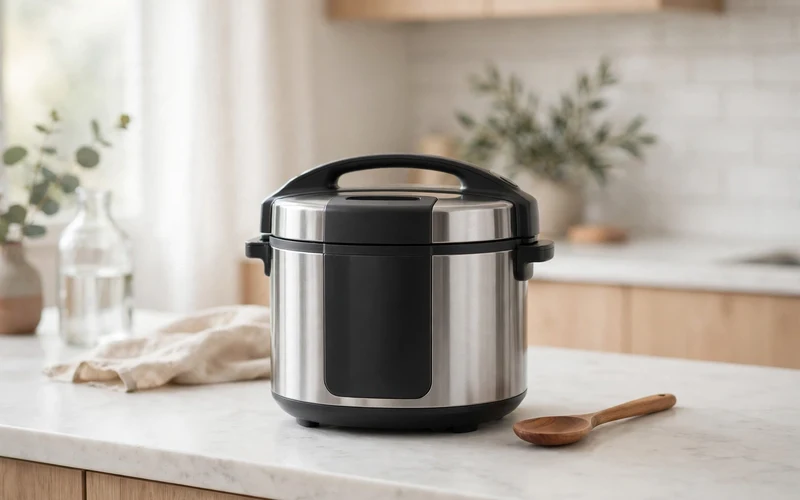
3. Multipurpose Items
One item that does several jobs saves money and space at home. A multi-cooker can replace a slow cooker, rice cooker, and steamer in one pot. Fewer gadgets mean fewer purchases, less clutter, and less upkeep. Before you buy anything new, ask if one tool can do the job well.
Look around your home for items with hidden second uses too. Baking soda can clean, deodorize, and freshen many surfaces. A sturdy tote can carry groceries, gym gear, or library books. Choosing versatile items first keeps your spending low and your home simple.

4. In-Season Groceries
Fruits and vegetables cost less when they are in season and widely available. They also taste better and stay fresh longer in your fridge. Build your weekly meals around what is cheap and fresh right now. A seasonal menu keeps food costs low without making meals boring.
Visit a local market to see which produce is priced lowest this week. Freeze extra berries or chop extra vegetables for later meals. Plan one or two new recipes around seasonal finds. Over a year, this simple habit can trim a large share of your grocery spending.
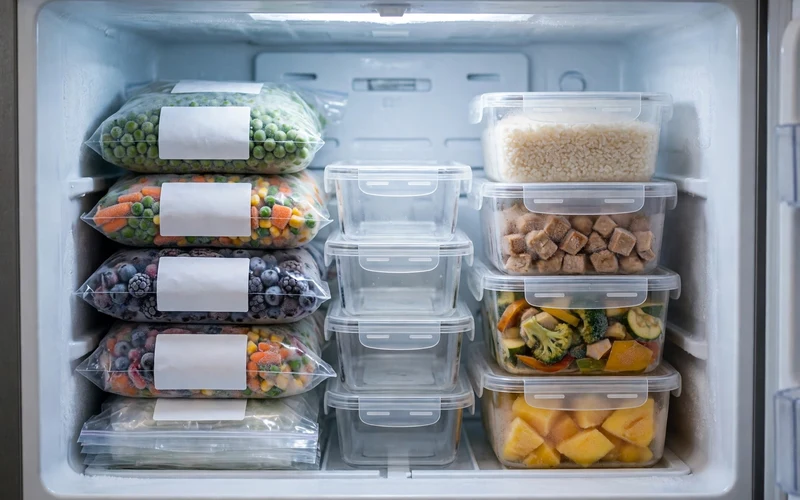
5. Buy in Bulk and Freeze
Buying staples in bulk lowers the price you pay per serving. Rice, oats, beans, and pasta store well and last for months in sealed containers. Split a large pack with a friend if the size feels too big. Bulk buying works best for foods you use every week without fail.
Freeze bread, meat, and cooked meals in single portions to stop waste. Label each bag with the date so nothing gets lost at the back. Thaw only what you need for dinner that night. A full freezer means fewer rushed trips to the store and fewer impulse buys.

6. Cashback on Online Shopping
Cashback sites and tools can return part of what you spend online. Activate the offer before checkout, and the reward lands in your account after the order ships. Compare two or three tools, since rates differ by store. These refunds feel small at first, but they grow with every order.
Never buy something just to earn cashback, or the deal works against you. Wait for items you truly need, then stack a sale price with a cashback offer. Track your rewards in one place so nothing expires unused. Patient online shopping turns routine orders into quiet savings.
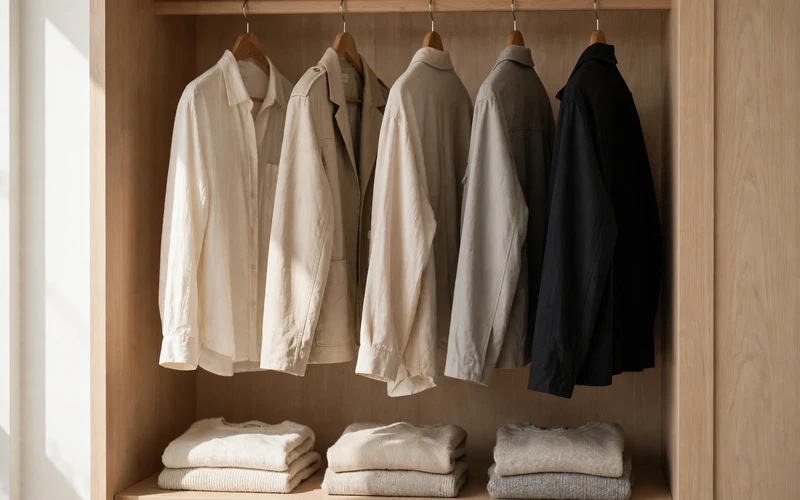
7. Capsule Wardrobe
A capsule wardrobe means fewer clothes that all work well together. Pick neutral basics, add a few colors you love, and skip trends that fade fast. Each piece should match at least three other items in your closet. Getting dressed becomes quicker, and shopping trips become rare.
Start by pulling out clothes you have not worn in a year. Keep only what fits well and feels good to wear. Buy quality basics on sale instead of cheap pieces that wear out fast. A small, loved wardrobe saves money and frees space in your mornings.

8. Frugal Natural Skin Care
Simple natural skin care can cost far less than shelves of fancy products. Gentle cleansers, plain moisturizer, and sunscreen cover most daily needs. Fewer products mean less waste and less confusion about what your skin needs. Read labels, keep it simple, and let your skin rest.
Try one new product at a time so you know what truly helps. A basic routine morning and night beats a long shelf of half-used jars. Store products away from heat and light so they last longer. Good skin care is steady care, not pricey care.
9. Plan Ahead for Deals
Planning ahead turns sales into real savings for your home. Watch weekly ads, list what you need, and buy extras only when the price is low. A small stockpile of basics prevents full-price panic buys later. Good planning starts with best budgeting methods that match your income and your routine.
Set one day each week to check deals and plan meals around them. Keep a running list on your phone so nothing gets missed. Buy holiday items after the season when prices drop sharply. Patient planning lets you enjoy treats and gifts without stress or debt.

10. Clear Cookies for Best Price
Some stores show higher prices to repeat visitors based on saved browsing data. Clearing cookies can sometimes reveal a lower fare or price on travel and shopping sites. Compare prices in a fresh private window before you book or buy. It takes one minute and can save real money.
Check the same item on two or three sites before you commit. Prices shift often, so a quick search can catch a better deal. Set a price alert if you are not in a rush. A little patience at checkout protects your budget from impulse spending.

11. Find Free Money
Free money sounds strange, but small rewards and bonuses are real. Bank promos, survey credits, and referral bonuses can add up over a year. Read the terms first, and never pay a fee to claim a reward. Only use trusted programs with clear rules and honest reviews.
Treat these bonuses as a small boost, not a plan to pay bills. Move any reward straight into savings so it does not vanish on snacks. Check current offers each month, since promos change often. Free money works best as a side perk, not a main income.

12. Find Free Stuff Online
Many useful items are given away free online by people clearing space. Local groups list furniture, books, toys, and tools every day. Check listings often, reply fast, and pick up promptly. A free item in good shape beats a new purchase every time.
Inspect each item carefully before you bring it home. Clean it well, and repair small flaws if you can. Give away items you no longer need so the cycle keeps going. Sharing within your area saves money and keeps good things out of the trash.

13. Drink More Water
Water is free or cheap, while sodas and juices add up fast. Carrying a reusable bottle helps you drink more water and skip pricey drinks. Add lemon or mint if plain water feels dull. Staying hydrated also cuts cravings for sugary snacks between meals.
Keep a bottle at your desk, in your bag, and by your bed. Refill it often, and track how many bottles you finish each day. Swap one sugary drink per day for water this week. Your wallet and your energy will both feel the difference soon.

14. Declutter
Clutter hides money you already spent on things you never use. Selling, donating, or swapping unused items frees space and can bring cash back. Start with one drawer or shelf so the job feels easy. A clear home makes it easier to see what you truly need each day.
Learning to save money live better starts with owning less and enjoying more of what you already have. Keep only items that earn their place in your home. Give the rest a new life with someone who needs them. Less stuff means less stress and more room to breathe.
15. DIY Repairs
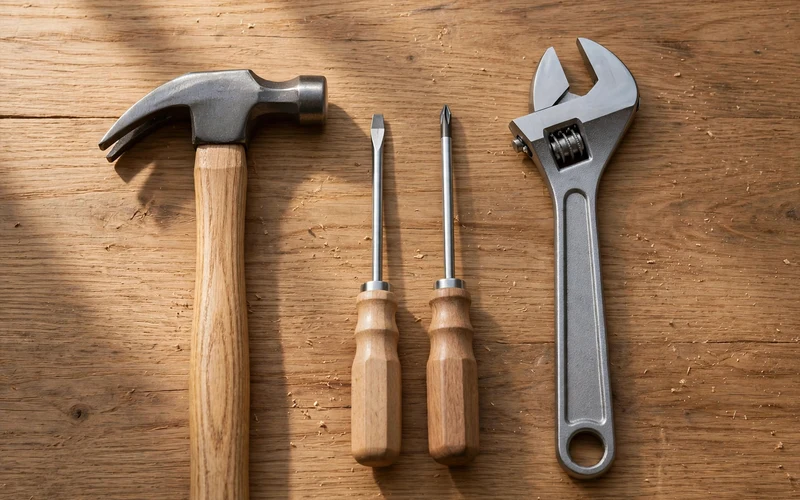
Small home repairs are often easy to learn with a free video guide. Fixing a leaky tap, a loose handle, or a squeaky door saves a service fee. Keep a basic tool kit at home for quick jobs. Start with safe, simple fixes and learn one skill at a time.
Always turn off water or power before you start a repair. If a job feels risky or complex, call a skilled worker instead. Trying a big repair without care can cost far more than hiring help. Smart DIY means knowing when to fix it and when to ask.
16. Don’t Over-Wash Clothes
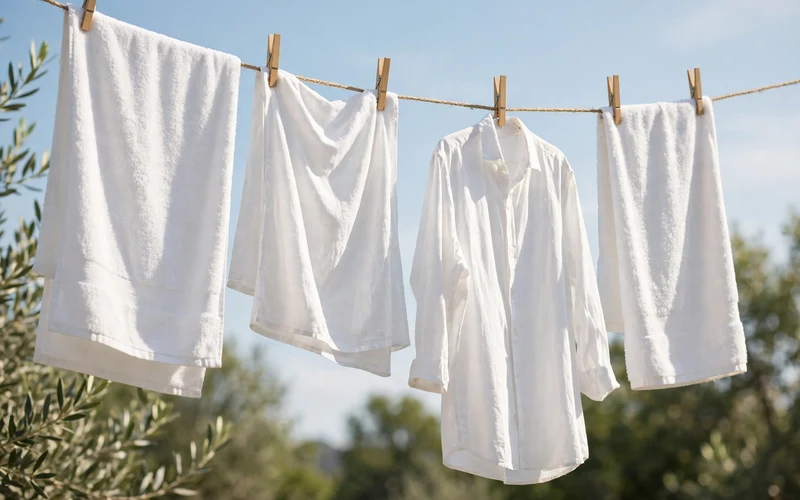
Most clothes do not need washing after every single wear. Airing items and spot-cleaning small marks keeps them fresh longer. Wash full loads with cold water to save energy and protect fabrics. Your clothes last longer, and your utility costs drop too.
Hang clothes to dry when you can instead of using a dryer. Sunlight freshens fabrics and saves power at the same time. Fold and store clean clothes right away to avoid rewashing wrinkled piles. Fewer wash cycles mean lower bills and a longer life for every garment.

17. Always Negotiate
Prices are often flexible, even when they seem fixed at first. Ask your service providers about lower plans, loyalty discounts, or waived fees. A calm, polite call can cut a monthly bill in minutes. Prepare your case first, and know what rival offers look like today.
A written plan helps too, so try free budget printables to track every bill you plan to renegotiate. Keep notes on each call, including names, dates, and promised rates. If the answer is no, thank them and try again later. Confidence grows each time you ask.

18. Furnish Home on a Budget
A lovely home does not need brand-new furniture in every room. Secondhand shops, online listings, and swaps offer solid pieces for far less. Check quality first, and picture each piece in your space. A little patience finds items with real charm at low prices.
Refresh old pieces with paint, new handles, or fresh fabric. Move furniture around before buying anything new for a room. Add plants and soft light for warmth without big spending. A home built slowly feels personal, cozy, and kind to your budget.

19. Enjoy the Outdoors
Nature offers free fun all year round in every season. Walk a trail, picnic in a park, or watch a sunset with friends. Outdoor time lifts your mood without costing a thing. Pack snacks and water so you are not tempted by pricey stops.
Try a new park or path each weekend to keep it fresh. Invite friends along and share the ride to save fuel. Bring a book, a ball, or a simple game for extra fun. Free outdoor days create memories that pricey outings rarely match.

20. Visit the Library
A library card unlocks books, films, classes, and tools for free. Borrow new releases instead of buying them, and return them on time. Many libraries also offer free workshops and kids events. It is one of the best free resources in any town.
Use the library app to reserve books and audiobooks from home. Set a reading goal and swap picks with friends. Study or work in a quiet corner when home feels noisy. Regular library visits feed your mind while your savings quietly grow.

21. Host Potlucks
Potlucks turn dinner with friends into a shared, low-cost joy. Each guest brings one dish, so no single person pays for everything. Try new recipes, share stories, and enjoy a full table. Hosting at home beats a pricey restaurant night every time.
Pick a simple theme so dishes fit well together. Keep a list of who brings what to avoid doubles. Use dishes you own instead of buying costly party supplies. A warm, shared meal builds strong bonds that money cannot buy.
22. Games Night
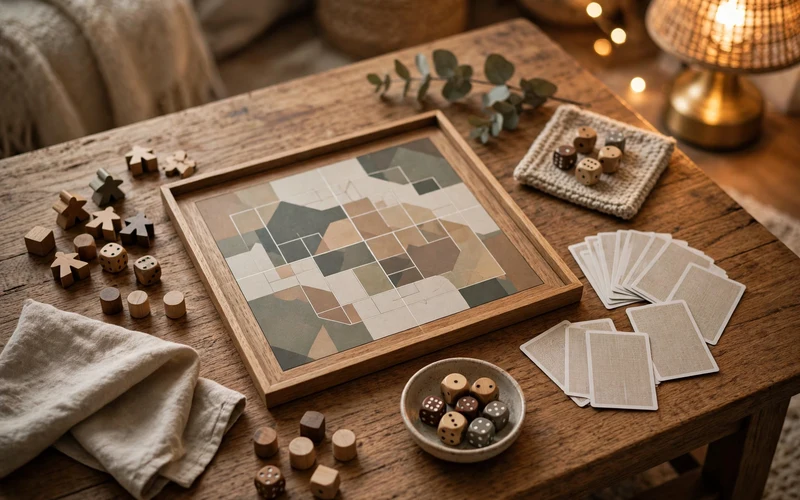
A games night costs almost nothing and brings everyone together. Pull out board games, cards, or puzzles you already own. Add tasty homemade snacks and drinks for a cozy evening. Laughing with good friends beats scrolling alone on a screen.
Rotate hosting among friends so costs stay shared and fair. Try a new game each month to keep nights fresh. Keep phones away so everyone stays present and engaged. Simple nights like these often become the ones you remember most.
Frugal Living Tips at a Glance
All figures below are illustrative examples, not guarantees.
| Tip | Effort Level | Savings Potential |
|---|---|---|
| Cashback on groceries | Low | Small, steady |
| Buy in bulk and freeze | Medium | Moderate |
| Capsule wardrobe | Medium | Moderate |
| Declutter and sell | Medium | One-time boost |
| Negotiate bills | Low | Moderate |
Mistakes to Avoid
- Buying in bulk foods you rarely use, then watching them expire.
- Chasing cashback deals by buying items you never needed.
- Cutting every small joy until the plan feels like punishment.
- Skipping quality to buy the cheapest option that breaks fast.
- Comparing your savings progress with friends or online posts.
- Keeping no emergency fund while trying to save for fun goals.
- Signing up for every rewards app and losing track of points.
- Waiting for a perfect budget instead of starting with one small change.
Frequently Asked Questions
What is frugal living?
Frugal living means spending with care on what matters most to you. It is not about going without joy or buying the cheapest thing every time. It is about making smart choices so your money supports your goals.
How can beginners start saving money?
Start by tracking where your money goes for one month. Then pick three tips from this list that feel easy to try. Small wins build confidence, and confidence helps you add more habits over time.
Do I need a high income to live frugally?
No, frugal living works at any income level. It is about using what you have with care and cutting waste. Even small savings add up when you repeat them week after week.
How much can I save with frugal living tips?
Savings depend on your spending, your income, and how many tips you follow. Some people save a little each week, while others save much more over time. Focus on steady progress instead of a fixed number.
Is frugal living the same as being cheap?
No, being cheap means always picking the lowest price, even when quality suffers. Frugal living means choosing value and spending gladly on things that last. The goal is a better life, not a smaller one.
What is the easiest frugal tip to start today?
Drinking more water is one of the easiest tips to start today. Carry a reusable bottle and swap one pricey drink for water. You will save money and feel better within days.
How do I stay motivated while saving money?
Set a clear goal that excites you, like a trip or an emergency fund. Track your progress each week and celebrate small wins. Seeing your savings grow keeps you going when habits feel hard.
Can frugal living still be fun?
Yes, frugal living can be full of fun and joy. Potlucks, games nights, library visits, and outdoor days cost little or nothing. The best memories often come from simple times shared with people you love.
Conclusion
Frugal living is not about going without joy. It is about choosing what matters, cutting waste, and letting small savings grow into freedom. Start with three tips from this list today. Keep what works, drop what does not, and watch your savings grow one smart choice at a time.






- Be Respectful
- Stay Relevant
- Stay Positive
- True Feedback
- Encourage Discussion
- Avoid Spamming
- No Fake News
- Don't Copy-Paste
- No Personal Attacks
- Be Respectful
- Stay Relevant
- Stay Positive
- True Feedback
- Encourage Discussion
- Avoid Spamming
- No Fake News
- Don't Copy-Paste
- No Personal Attacks
