11 Bad Money Habits to Break for Beginners in 2026
Published: 23 Nov 2026
Bad money habits quietly drain your wallet long before you notice the damage, and most beginners carry at least a few of them without realizing it. Small daily choices like impulse buys, forgotten subscriptions, and skipped savings add up fast, turning tiny leaks into real money stress over time.
The good news is that every habit on this list can be broken with small steps, and you do not need a big income or fancy tools to start. This guide walks through eleven money mistakes, explains what each one costs you, and shows a fix you can try today.
1. Spending Now and Thinking Later

Impulse buying means grabbing things you did not plan to buy, often because a sale, a flashy display, or a late-night scroll made them feel urgent. That thrill fades fast, but the money is gone, and beginners often repeat this pattern several times a week without tracking it.
To stop impulse buying, use a 24-hour rule for every non-essential purchase and remove saved payment details from shopping apps. A reported 2018 survey covered by CNBC found people spent about $450 a month on impulse buys, or $5,400 a year, so small pauses can save real money.
2. Not Taking Advantage of Free Money
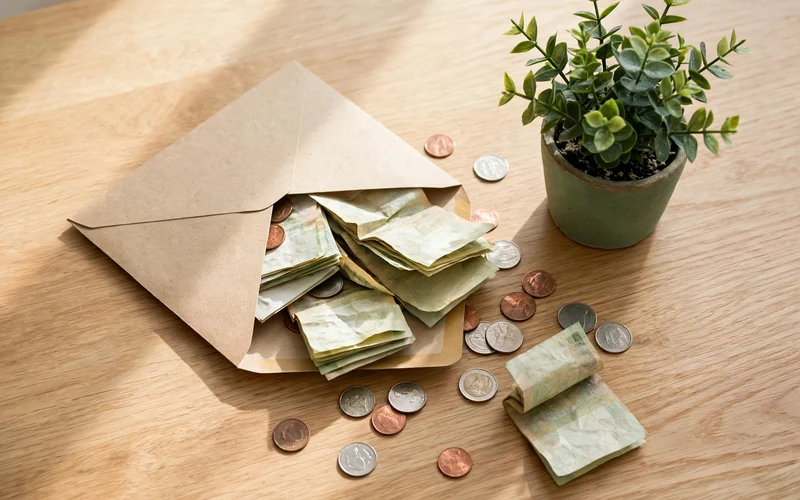
Many workplaces offer a retirement match, which means your employer adds money to your retirement account when you contribute, yet plenty of beginners never sign up for it. That is free money left on the table, and skipping it slows your long-term savings more than most people expect.
Ask your employer about the full match and contribute at least enough to claim it, then look for scholarships and grants if you study, since that aid does not need repaying. Check the rules and deadlines carefully, because free money only helps when you actually claim it in time.
3. Not Having a Budget

Without a budget, money drifts away, and by the end of the month you wonder where it all went. A budget is not a strict diet for your wallet; it is a simple plan that shows what comes in, what goes out, and what to keep for your goals.
Start with a simple method, like giving every dollar a job before the month begins, and track spending for two weeks to spot leaks. Helpful tools exist too, and the best budgeting apps can make tracking feel easy instead of stressful for beginners.
4. Unused Subscriptions
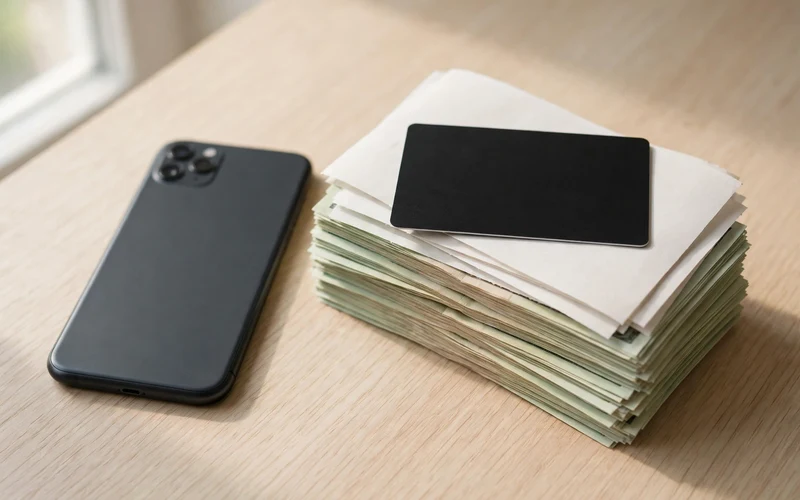
Streaming, fitness, cloud storage, and news apps often charge quietly every month, even when you stopped opening them long ago. Each fee looks small on its own, but together unused subscriptions can drain a surprising amount from your account over a full year.
Open your last two bank statements, list every recurring charge, and cancel anything you have not used in the past month. Keep only the services you truly enjoy, and share a plan with family when the service allows it, so you pay less for the same value.
5. Not Planning Ahead

When you never plan ahead, every meal, gift, and trip becomes a last-minute purchase, and last-minute choices almost always cost more. Planning sounds boring, yet it is one of the easiest ways to stop overspending, because it replaces panic buying with calm, thoughtful decisions.
Set aside thirty minutes each week to plan meals, check your calendar, and list what you need before shopping. Cook in batches, pack lunches, and shop with a list, so busy days do not push you toward pricey takeout or rushed impulse buys.
6. No Emergency Fund
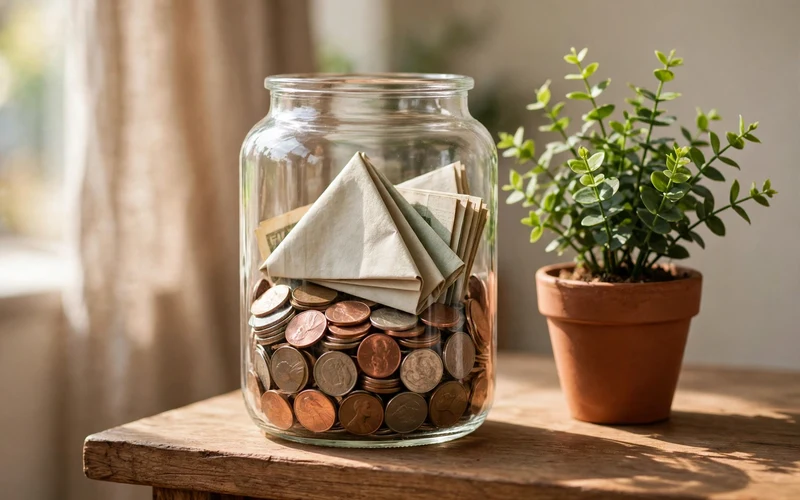
Life sends surprises at the worst moments, from a broken phone to a car repair or a sudden bill, and without savings those surprises land straight on a credit card. An emergency fund gives you breathing room, so one bad week does not turn into months of debt.
Aim to build three to six months of expenses over time, starting with a small goal like one month of basics. Even a little saved each payday helps, and low-income saving tips can show you how to start small and grow the fund steadily.
7. Not Paying Down Debt
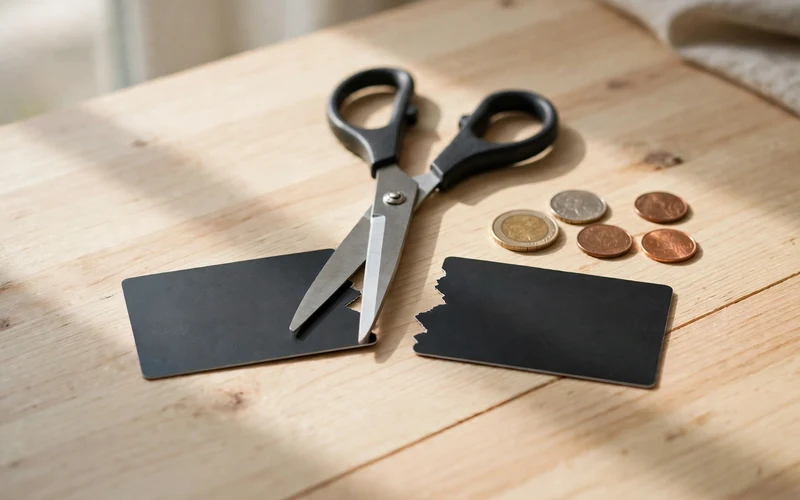
Paying only the minimum on a card feels easy, but interest keeps growing the balance behind your back, and the debt can last for years. Credit card debt is one of the most expensive money mistakes, because high rates turn small balances into large totals over time.
The Federal Reserve G.19 release reports an average APR of 22.36% on accounts charged interest in Q3 2026, so check current rates before you borrow. Pay more than the minimum each month, and these pay off debt fast steps can help you clear the balance sooner.
8. Spending Money You Don’t Have
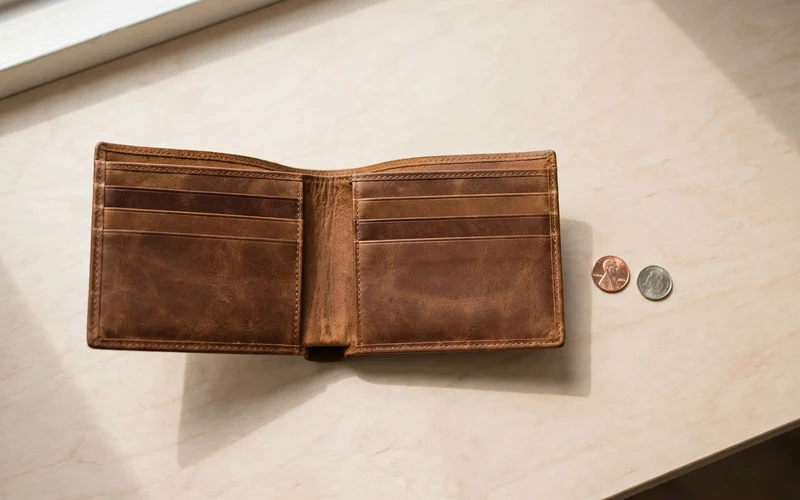
Buying things before you can afford them feels exciting in the moment, but it borrows happiness from your future self. When the bill arrives, the excitement is gone, and you are left paying interest on something you may not even use anymore.
Wait until you can pay for a want in full, and if you cannot, save for it first instead of reaching for credit. Keep a short wish list, revisit it after a month, and you will be surprised how many items you no longer want at all.
9. Not Knowing How to Say No

Saying yes to every dinner, trip, and group gift keeps your social life busy, but it can quietly wreck your budget when friends spend more than you do. You do not need to match their lifestyle to keep their friendship, and honest limits actually earn respect over time.
Practice a simple, friendly no, and suggest cheaper plans like a home-cooked meal, a walk, or a free local event instead. Set a monthly fun budget, tell friends about it, and choose the outings that matter most to you rather than attending every single one.
10. Not Investing Your Money

Saving alone is a good start, but money sitting still loses value over time as prices rise, and it never gets a chance to grow. Many beginners avoid investing because it feels risky or confusing, yet waiting too long costs far more than starting small and learning gradually.
Learn the basics of low-cost, diversified investing, start with a small automatic amount each month, and let time do the heavy lifting. You do not need to pick winning stocks; steady, patient investing beats waiting years for the perfect moment to begin.
11. Not Finding Ways to Earn Extra Money

Relying on one income makes every money goal harder, because there is only so much you can cut from a tight budget. Extra income gives your budget room to breathe, speeds up debt payoff, and turns saving from a struggle into a habit you can actually keep.
Look at skills you already have, from writing and design to tutoring or selling handmade items, and start with one small side income. Freelance platforms are a good first step, and you can make money on Fiverr by offering a simple service to your first clients.
Bad Money Habits at a Glance
The table below sums up each habit, its cost, and the fix. Costs are illustrative examples, not exact figures.
| Habit | What It Costs You | The Fix |
|---|---|---|
| 1. Impulse buying | Reported $5,400 a year on unplanned buys | 24-hour rule before non-essential purchases |
| 2. Skipping free money | Missed employer match and aid | Claim the full match and check grants |
| 3. No budget | Money drifts away each month | Give every dollar a job |
| 4. Unused subscriptions | Small fees adding up all year | Audit statements and cancel unused ones |
| 5. No planning ahead | Pricey last-minute meals and trips | Plan meals and shop with a list |
| 6. No emergency fund | Surprises land on credit cards | Build three to six months of expenses |
| 7. Not paying down debt | Interest at 22.36% APR grows balances | Pay more than the minimum monthly |
| 8. Spending money you lack | Interest on things you barely use | Save first, buy when you can pay in full |
| 9. Always saying yes | Social spending breaks the budget | Set a fun budget and suggest cheap plans |
| 10. Not investing | Savings lose value over time | Start small, automatic, diversified investing |
| 11. One income only | Goals stay out of reach | Start one small side income |
8 Mistakes to Avoid While Breaking Bad Money Habits
- Trying to fix all eleven habits at once instead of starting with one small change.
- Cutting out every fun expense, which makes the new budget feel like punishment and hard to keep.
- Setting goals that are too big and quitting after the first slip instead of adjusting the plan.
- Hiding money problems from a partner or family instead of talking about them openly.
- Checking your balance obsessively every day instead of reviewing it once a week.
- Using a credit card to reward yourself for saving, which cancels the progress you made.
- Comparing your progress with friends or online posts instead of measuring your own growth.
- Giving up after one mistake instead of treating it as a lesson and starting again the next day.
Frequently Asked Questions
What is the first bad money habit I should break?
Start with impulse buying, because it is the easiest to notice and the fastest to fix with a simple 24-hour pause rule.
How do I break bad money habits on a tight budget?
Pick one habit, set a tiny weekly goal, and track every dollar for two weeks so you can see where money leaks.
How much should I keep in an emergency fund?
Aim for three to six months of essential expenses, starting with a smaller goal like one month of basics.
Why is credit card debt so hard to pay off?
High interest grows the balance while you pay, so paying only the minimum barely shrinks what you owe. Check current rates and pay extra when you can.
Should I save or pay off debt first?
Build a small emergency cushion first, then attack high-interest debt with extra payments while keeping the cushion intact.
How can I stop impulse buying?
Use a 24-hour rule, remove saved payment details, unsubscribe from sale emails, and shop with a list.
Is investing worth it for beginners?
Yes, starting small with low-cost, diversified options and regular contributions can grow wealth steadily over time.
How long does it take to break a bad money habit?
Most people need a few weeks of steady practice before a new habit feels natural, so stay patient and track small wins.
Conclusion
Breaking bad money habits is not about being perfect; it is about making one better choice at a time and letting small wins build your confidence. Pick one habit from this list, try its fix this week, and watch your money stress slowly turn into calm control over your future.






- Be Respectful
- Stay Relevant
- Stay Positive
- True Feedback
- Encourage Discussion
- Avoid Spamming
- No Fake News
- Don't Copy-Paste
- No Personal Attacks
- Be Respectful
- Stay Relevant
- Stay Positive
- True Feedback
- Encourage Discussion
- Avoid Spamming
- No Fake News
- Don't Copy-Paste
- No Personal Attacks
