How to Sell Clothes Online for Beginners in 2026
Published: 8 Nov 2026
Introduction
Your closet may hold more money than you think. Most people own clothes they never wear: a dress bought for one party, jeans that no longer fit, or a jacket that was a gift. Selling clothes online turns those items into cash, and you can start with what you already own. You do not need a shop, a lot of money, or business experience. You need a phone, a clean space for photos, and a little patience. Be honest from the start: used clothes do not sell for their full shop price, and sales are slow at first. This guide shows you how to pick what to sell, where to list it, how to price it, and how to ship it safely. All fee figures are illustrative only, and fees can change, so check the app before you price anything.

Start With a Closet Audit
Before you list anything, look at your own closet. Take out every item, and sort it into three piles: keep, sell, and give away. Sell items that are clean and in good shape. Give away items that are stained, torn, or very worn. Good first items are branded clothes, coats, dresses, shoes in good shape, and kids’ clothes in sets. Plain old t-shirts sell slowly, unless they are a known brand. Check each item in daylight for stains, missing buttons, broken zips, and worn heels. Be honest about flaws, because buyers can return items that were not described well.
Choose Where to Sell
Each app suits a different kind of closet, so pick one app first, not five. Depop suits vintage, streetwear, and trend-led fashion for younger buyers. Poshmark suits known brands, women’s clothing, and shoes, and it gives you a prepaid shipping label. eBay reaches the widest group of buyers, and it suits almost anything. Facebook Marketplace suits local sales with no shipping, and it is good for bundles. Vinted suits everyday clothes, and sellers pay no selling fee because buyers pay the fee instead. Start with the app where your clothes fit best, and only add a second app when the first one works.
Fees You Must Know Before You Price
Fees decide what you actually keep, so learn them before you set a price. The figures below were live-verified at writing time on 8 November 2026, from Depop’s own Help Centre summaries and several fee guides that checked the official pages in October 2026. Here is what we verified: Depop charges US sellers a 0% selling fee. The old 10% selling fee was removed for US sellers in July 2024, so any guide that still says Depop takes 10% is out of date. US sellers still pay payment processing of 3.3% plus $0.45 per sale, on the item price plus shipping and tax. An optional Boosted listing adds 12% for US sellers, a rate that rose from 8% on 23 March 2026. Sellers outside the US, UK, and Australia still pay a 10% selling fee. Poshmark charges a flat $2.95 on sales under $15, and 20% on sales of $15 or more, with a prepaid label included. eBay charges about 13.6% of the total sale for most clothing categories, plus $0.30 per order of $10 or less or $0.40 above $10, and gives 250 free listings a month. Fees can change, so always check the app before you price. The table below is illustrative only.
| Platform | Seller Fee (Illustrative, Check the App) | Best For |
|---|---|---|
| Depop (US) | 0% selling fee; 3.3% + $0.45 processing; 12% if Boosted | Vintage and streetwear |
| Poshmark (US) | $2.95 under $15; 20% at $15 or more | Known brands and shoes |
| eBay (US) | About 13.6% of total sale + $0.30–$0.40 per order | Almost anything, wide reach |
| Facebook Marketplace | No fee for local cash sales; fee for shipped checkout | Local bundles and quick sales |
| Vinted (US) | No seller fee; buyer pays the fee | Everyday clothes |
How to Price Your Clothes
Pricing is where most beginners lose money, so take your time. Do not price from what you paid, or from what other sellers ask. Price from what items actually sold for. On each app, search for the same brand, size, and item, then filter to sold listings. Write down three or more sold prices, and price near the middle. Used clothes often sell for a small share of their new price, so expect less than you hope. A $50 top may sell for $10 to $20, and that is normal. Price a little higher than your lowest price, because buyers often make offers. If an item does not sell in two weeks, lower the price a little, or take better photos. Your time and photos have value, even when the item is used.
Take Photos That Sell
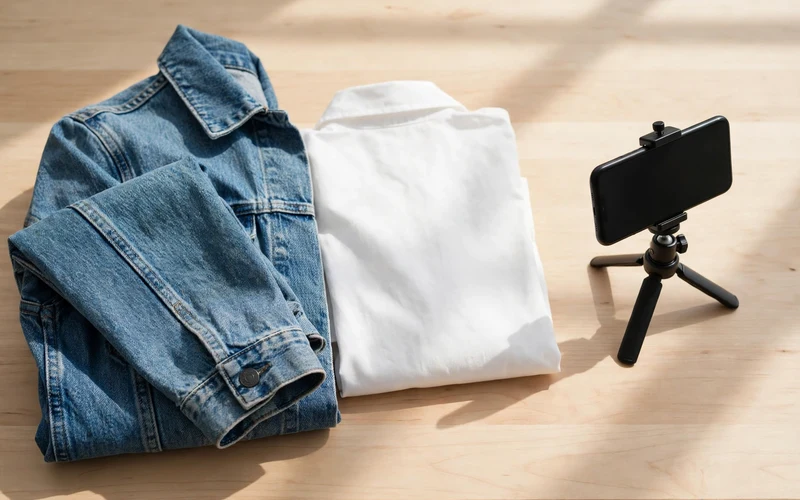
Photos sell the item, so they deserve your best effort. You do not need a fancy camera: a phone camera is enough, if you use good light. Take photos in daylight, near a window, on a plain wall or a clean bed. Never use a dark room or a messy background. Iron each item first, and lay it flat or hang it neatly. Take at least four photos: front, back, label, and any flaw. Show the flaw close up, so the buyer trusts you. Do not use filters that change the colour, and do not use stock photos from the brand. Buyers want to see the real item they will get.
Write a Listing Buyers Trust
A good listing answers the buyer’s questions before they ask. Start with a clear title: brand, item, size, and colour. For example, “Nike Men’s Hoodie, Size M, Black” is better than “nice hoodie”. Then write a short, honest description: brand, size, colour, material if you know it, and how often it was worn. Say if it is new with tags, like new, or gently used. List every flaw, even a small stain. Add measurements if you can, because sizes differ by brand. Add keywords buyers search for, like “vintage” or “oversized”, but only if they are true. Never copy another seller’s photos or words. Honest listings get fewer returns and better reviews.
Pack and Ship With Care
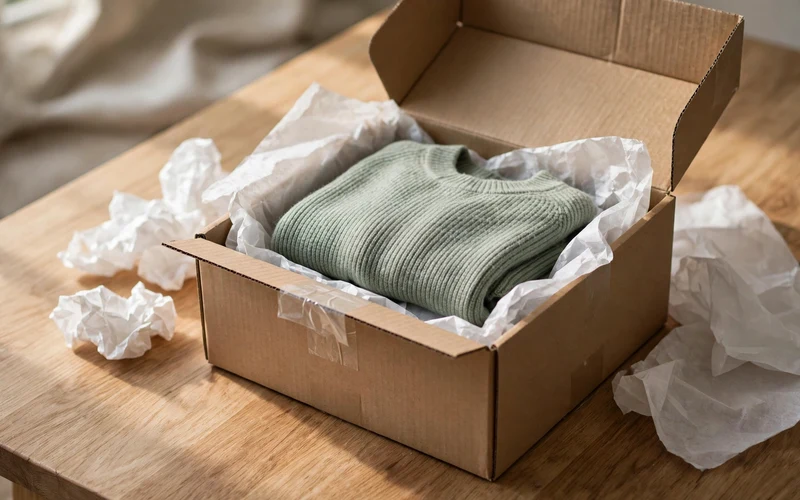
Shipping is the part many beginners fear, but it is simple once you do it twice. First, check how your app handles shipping. Poshmark sends you a prepaid label, so you only need to print it and drop the parcel at the post office. On Depop and eBay, you can use the app’s label or buy your own, and the buyer often pays the shipping cost. Fold the item neatly, put it in a clean bag, and use a box or a mailing bag that fits. Weigh the parcel if you can, so you pick the right label. Ship within one to two days, and send the buyer a short message when you ship. Keep the receipt until the buyer confirms they got the item.
Your First Week Plan
A simple plan keeps you from feeling lost. On day one, do your closet audit and pick ten items to sell. On day two, wash, iron, and check each item for flaws. On day three, take photos of all ten items in daylight. On day four, list five items on one app. On day five, list the other five. On day six, share your listings and answer buyer questions politely. On day seven, check what sold and what got no views. Lower the price or retake the photo of items with no views. Do not buy new stock in week one.
Grow From Your Closet to a Small Business
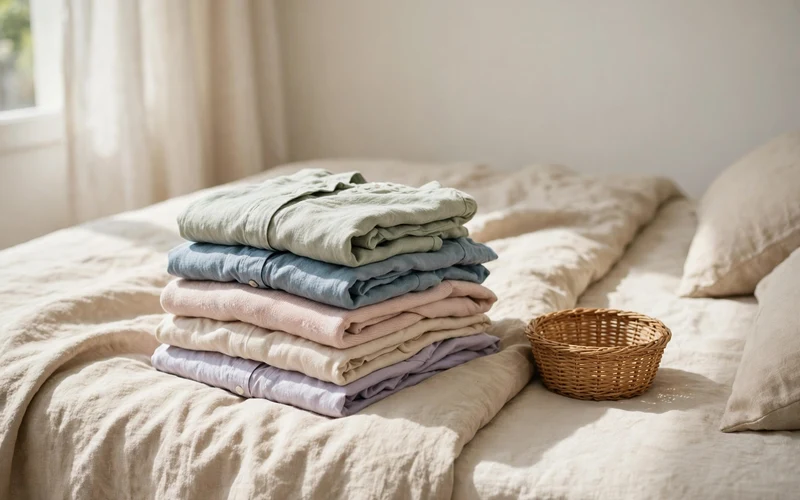
Once your first ten items sell, you can grow slowly. Look at what sold fast, and find more of it. Thrift shops, clearance sales, and local buy-and-sell groups are good places to find cheap stock. Buy only items you know sell, and set a small budget, like $20 to $50 a week. Keep a simple record of what you bought, what you paid, what you sold it for, and the fee you paid. This shows you which items make money and which ones waste your time. You can also sell on eBay for a wider reach once you know your best items, because eBay suits rare finds and menswear that other apps miss. You can also sell on Facebook Marketplace for local bundles, with no shipping and fast cash. If you want a shop of your own later, learn how to start an Etsy shop for handmade or vintage clothes.
Promote Your Listings Without Spending Money
You do not need paid ads to sell clothes. Free promotion works if you do it every week. Share your listings on the app itself, if it has a share or bump button. Post your best items on Pinterest, with a clear photo and a link to your listing, and learn how to make money on Pinterest by sharing useful, honest pins. You can also post in local buy-and-sell groups, but follow the group rules and do not spam. Take a fresh photo of an item that has not sold, and relist it with a better title. Clothes selling can sit beside other weekly side hustles too.
Stay Safe From Scams
Scams are common in online selling, so stay alert. Never move a sale off the app to a private payment link, because you lose buyer protection. Never accept a cheque for more than your price, and never ship before the payment is confirmed in the app. Be careful with buyers who ask for your email, phone number, or bank details. The app’s chat is the safe place to talk. If a buyer says the item never arrived, check the tracking number first. Take a photo of the parcel before you ship it, and keep the receipt.
Mistakes to Avoid
- Listing dirty, wrinkled, or damaged clothes without saying so.
- Using dark, blurry photos or stock photos from the brand.
- Pricing from asking prices instead of sold listings.
- Forgetting fees, so you keep less than you planned.
- Listing the same item on five apps and selling it twice.
- Shipping late without telling the buyer.
- Moving payment off the app and losing buyer protection.
- Buying a lot of stock before your first ten items sell.
- Copying another seller’s photos or description.
Conclusion
Selling clothes online is a simple, honest way to earn extra money from what you already own. Start with a closet audit, pick one app, learn its fees, price from sold listings, and take bright, honest photos. Ship with care, answer buyers politely, and grow slowly. Your first sale may be small, but it teaches you more than any guide can. One closet, ten listings, and one good week is all you need to start.
FAQs
1. What is the best app to sell clothes online for beginners?
It depends on your clothes. Depop suits vintage and streetwear, Poshmark suits known brands, and eBay suits almost anything. Start with one app that fits your closet.
2. How much money do I need to start selling clothes online?
You can start with $0 if you sell clothes you already own. You only need a phone and daylight. Buy new stock only after your first items sell.
3. How do I price used clothes?
Search the app for the same item, filter to sold listings, and price near the middle of three or more sold prices.
4. Does Depop still charge a 10% selling fee?
No, not for US sellers. Depop removed the 10% selling fee for US sellers in July 2024. US sellers pay 0% selling fee plus 3.3% plus $0.45 payment processing, as verified in November 2026. Fees can change, so check the Depop app before you price.
5. What sells fastest online?
Branded clothes, coats, dresses, shoes in good shape, and kids’ clothes in sets often sell well. Plain, worn, or out-of-style items sell slowly.
6. Do I need a printer to sell clothes online?
It helps, but you can often show a QR code at the post office instead. Poshmark gives you a prepaid label, and Depop and eBay offer labels in the app.
7. How do I avoid scams when selling clothes?
Stay in the app’s chat and payment system, never ship before payment is confirmed, and never share bank details.
8. Can I sell clothes online as a full-time income?
It is possible over time, but very unlikely at first. Most beginners earn a little extra money. Grow slowly, and only scale up when sales are steady.





- Be Respectful
- Stay Relevant
- Stay Positive
- True Feedback
- Encourage Discussion
- Avoid Spamming
- No Fake News
- Don't Copy-Paste
- No Personal Attacks
- Be Respectful
- Stay Relevant
- Stay Positive
- True Feedback
- Encourage Discussion
- Avoid Spamming
- No Fake News
- Don't Copy-Paste
- No Personal Attacks
