13 Best Ways to Get Free Books Online and in Your Community
Published: 25 Oct 2026
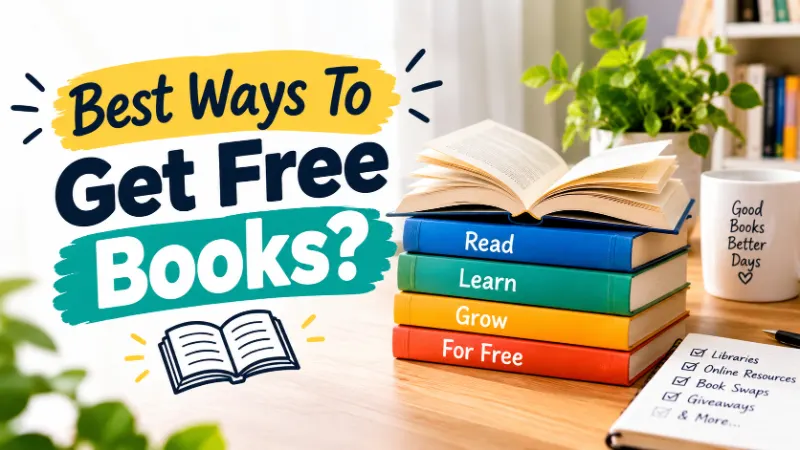
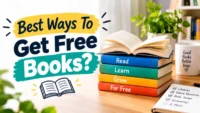
Finding good books does not have to cost a lot of money. You can read novels, learn new skills, explore business ideas, and enjoy children’s stories without buying every book you want.
If you love reading but want to protect your budget, this guide will show you 13 practical ways to get free books online and near you. You will also learn how to find legal downloads, borrow ebooks, and discover books in your local community.
You can get free books through public libraries, Project Gutenberg, ebook lending services, book swaps, community groups, and legal ebook promotions. Always check the book’s copyright status and the site’s terms before downloading.
Best Online Sources for Free Books
Online book platforms make it easier to find free reading material from home. Some offer classic novels, while others provide library loans, free promotions, or digital copies you can read in a browser.
- Search for public-domain books and legally free ebooks.
- Borrow digital books through a participating library.
- Check download rules, reading limits, and device support before choosing a platform.
1. Explore Free Classics Through Project Gutenberg
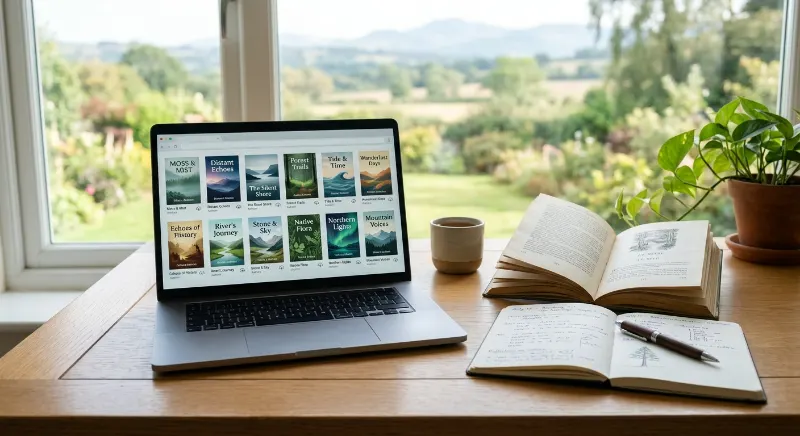
Project Gutenberg is a digital library with thousands of free ebooks, mainly older works whose copyright has expired in the United States. It is useful for readers who enjoy classic novels, poetry, history, and other older texts.
- Search by title, author, or subject.
- Download available books in EPUB, Kindle, or other formats.
- Check local copyright rules before using a book outside the United States.
Example: A student studying classic literature can look for older novels on Project Gutenberg instead of paying for every title.
2. Earn Book Rewards Through Reading and Surveys
Some legitimate reward programs let users earn points or gift cards by completing eligible surveys, reading-related activities, or other tasks. You can then use those rewards toward books, depending on the program’s rules.
- Search for reputable reward programs available in your country.
- Check which gift cards and book retailers they support.
- Review the minimum payout and redemption rules.
- Never pay an upfront fee just to access promised rewards.
Example: A reader who already completes online surveys might save eligible rewards and use a gift card to purchase a book later. Earnings and available rewards vary.
3. Find Free Titles on Rakuten Kobo
Rakuten Kobo sells ebooks and offers a selection of free titles in its ebook store. The free section can include fiction, classics, and selected books from different genres. Availability can change by country and over time.
- Search for free ebooks or browse the available free titles.
- Confirm the price is zero before adding a book.
- Check whether the title works with your preferred reading device.
Example: Someone who enjoys mystery stories can browse Kobo’s free selection before deciding whether to buy a paid ebook.
4. Search Ebook Catalogs for Free Reading Material
FreeBookSpot has been known as a site listing free ebook downloads. However, third-party download catalogs can vary in reliability, copyright status, and safety. Check whether the specific book is shared with permission before downloading it.
- Search for the exact title and author.
- Verify the source has permission to distribute the book.
- Avoid suspicious download buttons and unexpected software.
- Prefer trusted libraries and publisher websites when ownership is unclear.
Example: If you find a popular new novel on an unfamiliar site, check the publisher’s website or a library catalog before downloading it.
5. Get Free Kindle Books
Amazon’s Kindle store includes some ebooks that readers can access at no cost. These may include public-domain classics, promotional titles, and selected books from independent authors. A Kindle device is not always necessary because compatible Kindle apps are available for other devices.
- Search for free Kindle ebooks in your regional store.
- Confirm the listing shows a zero price.
- Check the title’s region and device compatibility.
Example: A reader can use a phone with the Kindle app to read a free classic without purchasing a Kindle device.
6. Borrow Digital Books From Your Public Library
A public library may offer digital books through services such as Libby or other local lending platforms. You usually need a valid library card. Loan periods, available titles, and borrowing limits depend on your library.
- Visit your library’s official website.
- Ask whether it offers ebooks or audiobooks.
- Check whether the library supports Libby.
- Borrow a title and return it when the loan period ends.
Example: A student can borrow a study-related ebook on a phone and read it at home without buying a printed copy.
This approach can also help you control other expenses. If you are working on a tighter household budget, see these practical ways to save money on rent.
7. Read Book Previews and Available Full Text on Google Books
Google Books helps readers discover books, search their contents, and view previews. Some titles are available in full because they are public-domain works or the rights holder allows full access. Many newer books offer only a limited preview.
- Search by title, author, or topic.
- Look for full-view access or a free ebook option.
- Remember that a preview is not the same as a complete free book.
Example: Someone researching a historical topic can use Google Books to read a full-text version of an older book or check whether a newer title offers a useful preview.
8. Discover Digitized Books at Internet Archive
Internet Archive preserves digital materials, including books, historical documents, and other resources. Some books are freely downloadable, while others can only be borrowed under the site’s lending rules. Access varies by title.
- Search the book title or a subject.
- Read the access and borrowing information on the book page.
- Download only when a permitted download option is available.
Example: A reader researching an old hobby can find scanned books and historical guides that may be difficult to locate in a local bookstore.
9. Borrow Digital Copies Through Open Library
Open Library is a project that aims to create a page for every book. It links readers to book information and offers lending for certain digitized titles. Not every book is available to borrow, and some titles have waiting lists.
- Search for a book or author.
- Check whether the title has a borrowing option.
- Follow the account and loan instructions shown on the site.
Example: A reader looking for an older nonfiction title can check Open Library before searching for a used copy.
10. Enter Legitimate Book Giveaways
Authors, publishers, and reading communities sometimes run book giveaways. Goodreads has offered book giveaways, but eligibility and availability depend on current promotions and the user’s region. Always check whether a giveaway is active before entering.
- Look for currently available giveaways.
- Read the eligibility and entry rules.
- Never assume that entering guarantees a book or prize.
Example: A reader who follows new authors may discover a giveaway for an upcoming novel and enter if their location is eligible.
Where to Find Free Books in Your Local Community
You do not need to rely on websites to find free reading material. Libraries, neighborhood groups, local events, and people who have finished their books can help you build a personal collection.
- Check local listings and community noticeboards.
- Ask about free books before collecting them.
- Choose clean, complete books that suit your needs.
11. Find Giveaways and Free Books in Local Online Groups
Local marketplace listings and community groups sometimes include books that people want to give away. Craigslist and Facebook Marketplace may have free listings, depending on your location, so check the price and collection details carefully.
- Search for free books in your area.
- Check local Facebook groups and marketplace listings.
- Ask whether the books are still available.
- Arrange a safe pickup and confirm the location.
Example: A family moving to a smaller home may offer a box of novels or children’s books to someone who can collect them.
12. Visit Garage Sales and Neighborhood Clear-Outs
Garage sales can be useful places to find inexpensive or occasionally free books. Some sellers give away books near the end of an event rather than carrying them back inside. This is not guaranteed, so ask politely.
- Look for garage sales and community sales nearby.
- Check the condition of each book.
- Ask whether any books are free.
- Carry a reusable bag for your finds.
Example: You might find older cookbooks, children’s stories, or used novels at a neighborhood sale. Ask about the price before taking anything.
13. Join a Community Book Swap
A book swap lets readers exchange books they have finished with books other people no longer need. Libraries, schools, community centers, and neighborhood groups may organize these events. You can also start a small exchange with friends.
- Bring books that you own and are happy to share.
- Check the rules before exchanging books.
- Choose titles you genuinely want to read.
- Keep borrowed books separate from books you own.
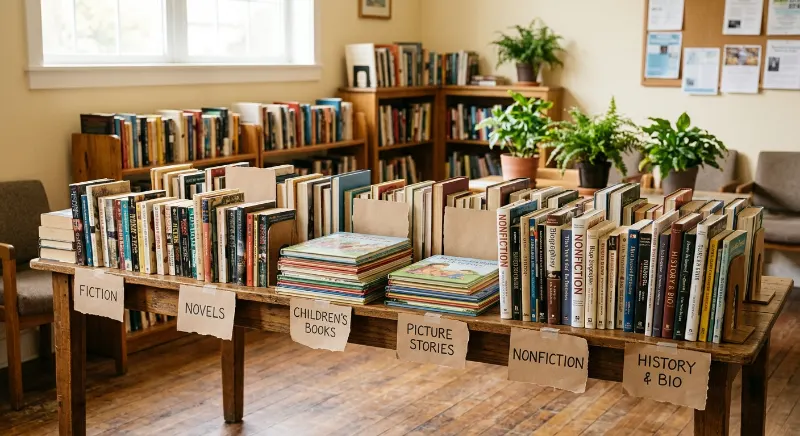
Example: Four friends can each bring two books and exchange them. Everyone gets something new to read without spending money.
A book swap also works well for students who want to keep learning without adding more costs. If that sounds useful, explore these money-saving tips for students.
Bonus Tips for Finding More Free Books
The 13 methods above give you several places to start. These extra habits can help you discover more books, avoid unsafe downloads, and make the most of the resources available in your area.
- Search by genre, author, and book format.
- Sign up for updates from trusted libraries and publishers.
- Keep a reading list so you do not download or borrow the same title twice.
Check Copyright and Download Safety
Not every book advertised as free is legally available for download. A book may be free because it is in the public domain, the author has authorized free access, or a library lends it under specific terms.
- Prefer official websites and trusted libraries.
- Check the book’s license or lending conditions.
- Avoid suspicious files and software downloads.
- Be cautious if a website asks for unnecessary personal or payment details.
Example: A classic novel may be available legally through Project Gutenberg, while a newly released bestseller may require a purchase or library loan.
Build a Simple Reading Plan
Finding books is easier when you know what you want to read. A short list also helps you focus on books that support your interests instead of collecting titles you may never open.
- Choose three books you want to read next.
- Check free sources before buying them.
- Track borrowed books and their return dates.
- Save useful titles in a reading list.
For readers interested in saving more money, this monthly money-saving challenge offers another way to build better spending habits.
FAQ
1. What is the easiest way to get free books?
Public libraries are one of the easiest options because they offer printed books and, in many places, digital loans. Project Gutenberg is also useful for classic ebooks that are legally available at no cost.
2. Is there an app for reading free books?
Yes. Apps such as Libby can provide access to ebooks through participating libraries. Kindle and Kobo apps also let readers access titles that are offered free in their stores. Availability depends on your country, library, and the specific book.
3. Is Z-Library legal?
Z-Library’s legal status and the legality of accessing particular titles can depend on the country, copyright rules, and how the material is distributed. Some books may be copyrighted and may not be shared without permission. For a safer option, use authorized ebook stores, public libraries, and public-domain collections.
4. Can I get free printed books delivered to my home?
Sometimes. Publishers, authors, charities, book-gifting programs, and community groups may offer printed books or giveaways. Check the eligibility rules and shipping costs, because a free book may still involve delivery charges.
5. How can I get free books if I do not have a library card?
Start with public-domain collections such as Project Gutenberg and browse free titles on official ebook stores. You can also look for community book swaps and local giveaway groups. If a nearby library requires a card, ask whether it offers free registration or digital membership to local residents.
Conclusion
You can find free reading options through digital libraries, public library loans, giveaways, and community exchanges. Start with one or two trusted sources, then explore more as your reading needs grow.
You can also find free books online and used books in your community without buying every title you want. If you enjoy helping others discover books, a book exchange is another simple way to share what you love.
Which of these 13 ways will you try first? Pick one today and add a new book to your reading list.
- Be Respectful
- Stay Relevant
- Stay Positive
- True Feedback
- Encourage Discussion
- Avoid Spamming
- No Fake News
- Don't Copy-Paste
- No Personal Attacks
- Be Respectful
- Stay Relevant
- Stay Positive
- True Feedback
- Encourage Discussion
- Avoid Spamming
- No Fake News
- Don't Copy-Paste
- No Personal Attacks
