Which Payment Type Can Help You Stick to a Budget for Beginners in 2026
Published: 17 Nov 2026
If you are wondering which payment type can help you stick to a budget, you are not alone. Many beginners pay by habit, then wonder why money runs out early. The way you pay shapes how much you spend, how you see it, and how easy it is to stop.
Cash, debit cards, and credit cards move money, but they feel different when you spend. One method makes every purchase feel real, another tracks itself, and the third lets you borrow first and worry later. This guide compares all three, so you can pick the one that fits your habits.
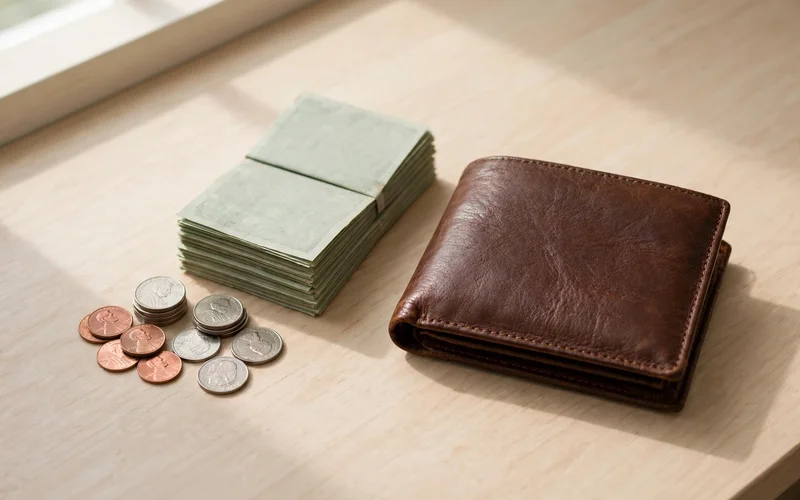
1. Cash
Benefits of Paying with Cash
Cash gives you a limit you can see and feel. When your wallet holds an amount for the week, you cannot spend more without going back for more. That pause stops impulse buys before they happen. Watching your pile shrink makes every purchase feel real and worth a second thought.
Drawbacks of Using Cash
Cash is harder to track, because nothing records what you bought unless you keep receipts. Lose your wallet and the money is gone for good. Cash earns no rewards and builds no credit history, so it helps nothing with future loans. It is also awkward for online shopping and bills.
2. Debit Card
Benefits of Paying with a Debit Card
Debit cards spend the money in your checking account, so you cannot borrow your way into debt. Purchases show up in your bank app, so tracking is easy and you get a record. You can link the card to the best budgeting apps, so spending sorts into categories without notes.
Drawbacks of Using a Debit Card
Debit cards make overspending feel painless, because a tap never shows balance dropping. One week can drain your account, and an overdraft fee can follow if a payment clears after balance hits zero. Debit cards offer weaker fraud protection than credit cards, and a stolen card freezes money you need.
3. Credit Cards
Benefits of Paying with Credit Cards
Credit cards reward disciplined spenders with cash back and points on everyday items. They build a credit history that can lead to better rates on loans for a car. Paying the balance on time each month keeps those perks free, and the best cashback apps can stack savings on rewards.
Drawbacks of Using Credit Cards
Credit cards let you spend money you do not have, and interest turns balances into debt. Average APR was 22.36% on accounts charged interest in the third quarter of 2026, so check current rates before you apply. Missed payments hurt your credit score and add fees that wreck a budget.
Payment Type Comparison
| Payment Type | Best For | Budget Control | Watch Out For |
|---|---|---|---|
| Cash | Overspenders who need a hard limit | Strong — you can only spend what you carry | Lost cash, no tracking, no rewards |
| Debit Card | Everyday spending with automatic tracking | Good — limited to your account balance | Overdraft fees, weaker fraud protection |
| Credit Card | Disciplined spenders who pay in full | Weak — easy to borrow past your budget | High interest, late fees, debt risk |
What Is the Best Form of Payment?
If you struggle to stick to a budget, start with cash. It is the only method that physically stops you from spending money you do not have in your hand, and that hard stop teaches better habits faster than any app. Once your spending feels steady for a month or two, move to a debit card so you get automatic tracking without borrowing.
Credit cards come last. They only help your budget when you pay the full balance on time, every single month, without exception. If that feels hard right now, the card is not the problem — the timing is. Build the habit first, then add the card, and only keep it if the balance stays at zero.
Budget Tips That Make Any Payment Type Work
Set a weekly spending limit instead of a monthly one. A month is long enough to forget, but a week is short enough to feel. Check your balance every few days, even if it takes only two minutes, so surprises never pile up at month end.
Give every dollar a job before the week starts. Decide what goes to food, transport, fun, and savings, and stop when a category runs dry. Moving money between categories is fine, but do it on purpose, not by accident.
If your budget feels tight because income is low, earning a little extra can help more than switching cards. You can make money on Fiverr with a skill you already have, even as a beginner. Selling things you no longer use is another quick way to add breathing room — you can sell on Poshmark straight from your closet.
Mistakes to Avoid
- Paying with a credit card when you cannot pay the balance in full that month.
- Carrying no cash and tapping a card for every small purchase without thinking.
- Ignoring your bank app until the end of the month, then acting surprised.
- Using a debit card for online shopping without checking its fraud protection.
- Treating a credit limit as extra income instead of borrowed money.
- Skipping a weekly budget check because tracking feels boring.
- Keeping all spending on one card with no limits per category.
- Paying only the minimum on a credit card balance month after month.
Frequently Asked Questions
Which payment type is best for sticking to a budget?
Cash is best for most beginners, because you can only spend what you carry. It creates a natural stop that cards do not. Once your habits are steady, a debit card gives you the same limit with automatic tracking.
Is cash better than a debit card for budgeting?
Cash is better if you overspend easily, because it makes every purchase feel real and stops you at a hard limit. A debit card is better if you shop online often or want automatic records, as long as you check your balance regularly.
Are credit cards bad for a budget?
Credit cards are risky for a budget, not automatically bad. They work only when you pay the full balance on time every month. If you carry a balance, interest charges eat into your budget and make it harder to stay on track.
What is the cash envelope method?
The cash envelope method means putting a set amount of cash in a labeled envelope for each spending category, like groceries or fun. When an envelope is empty, you stop spending in that category until the next week or month.
Can I still overspend with a debit card?
Yes. A debit card only stops you when your account runs out, and overdraft coverage can let payments go through anyway. Setting a weekly limit and checking your balance often is what keeps a debit card safe for budgeting.
Do debit cards help build credit?
No, debit cards do not build credit, because you spend your own money instead of borrowing. Only credit products, like credit cards or loans, build a credit history when you pay them on time.
Should I carry cash for everyday spending?
Carrying a small amount of cash for daily spending helps many people stay aware of what they spend. Keep the rest in your account for bills and online purchases, and refill your cash only once a week.
How do I pick the right payment type for me?
Pick based on your biggest weakness. Choose cash if you overspend, a debit card if you want tracking without debt, and a credit card only if you always pay in full. You can switch methods later as your habits improve.
Conclusion
The best payment type is the one that keeps you honest. Cash works best when overspending is your problem, debit works best when you want tracking without borrowing, and credit works only when you pay in full each month. Match the method to your habits, not to what looks easiest.
Start with cash for a month and watch how your spending changes. Add debit when your habits feel steady, and save credit cards for later, when a payoff each month feels easy. Choices beat big promises, and the right payment type can turn a budget into a plan you keep.






- Be Respectful
- Stay Relevant
- Stay Positive
- True Feedback
- Encourage Discussion
- Avoid Spamming
- No Fake News
- Don't Copy-Paste
- No Personal Attacks
- Be Respectful
- Stay Relevant
- Stay Positive
- True Feedback
- Encourage Discussion
- Avoid Spamming
- No Fake News
- Don't Copy-Paste
- No Personal Attacks
