How to Start a Podcast for Beginners in 2026
Published: 5 Nov 2026
Introduction
Do you have ideas you want to share? Do you enjoy talking about a topic you love? A podcast can be a good way to do that. It is like a radio show, but people can listen at any time, on a phone, a laptop, or in a car.
Many beginners think podcasting is hard. They think they need a big studio and costly gear. That is not true. You can start small, at home, with simple tools, and learn as you go.
What Is a Podcast?
A podcast is a series of audio episodes. People can listen to one episode at a time. They can also follow your show and get new episodes when you publish them.
Most podcasts have a host. The host talks, asks questions, or tells a story. Some shows have one host, some have two hosts, and some invite guests. People listen while they walk, drive, cook, or work. You do not need a perfect show. You need a useful show.
Why Start a Podcast in 2026?
Podcasting is still a good choice for beginners in 2026. More people now listen to audio on their phones. Many people like short talks and real stories. A podcast lets you share your voice in a personal way.
A podcast can also help your blog, your work, or your small business. When listeners hear your voice week after week, they start to trust you. You do not need to grow fast. A small, loyal group of listeners is a good start.
Step 1: Pick a Topic You Can Talk About for a Long Time
Your topic is the heart of your podcast. Pick a topic you enjoy and know well, or one you want to learn about with your listeners. If you pick a topic only because it seems popular, you may get bored after a few episodes.
Your topic should be clear, but not too wide. A wide topic like “life” is hard to plan. A clear topic like “simple money tips for students” is easier. It helps listeners know what to expect. Think about your listener too. Is your show for students, new parents, or small business owners? Write down five to ten episode ideas before you start. If you can think of ten ideas with ease, your topic is a good fit.
Step 2: Choose a Format and Episode Length
A format is the shape of your show. Pick one format and use it for your first episodes. You can change it later.
A solo show is one host talking alone. It is simple to plan and easy to record. An interview show has a host and a guest. It can bring new ideas, but it needs more planning. A co-host show has two hosts who talk together. Pick the format that fits your time and your style.
Next, pick a length. Short episodes of 15 to 20 minutes are good for busy listeners. They are also easier to record and edit. Longer episodes of 30 to 45 minutes can work if your topic needs more time. Pick a schedule you can keep. One episode a week is a good start. One episode every two weeks is also fine.
Step 3: Get Simple Equipment
You do not need costly gear to start. Good sound matters, but you can get good sound with simple tools. Start with what you have, and improve your gear later.
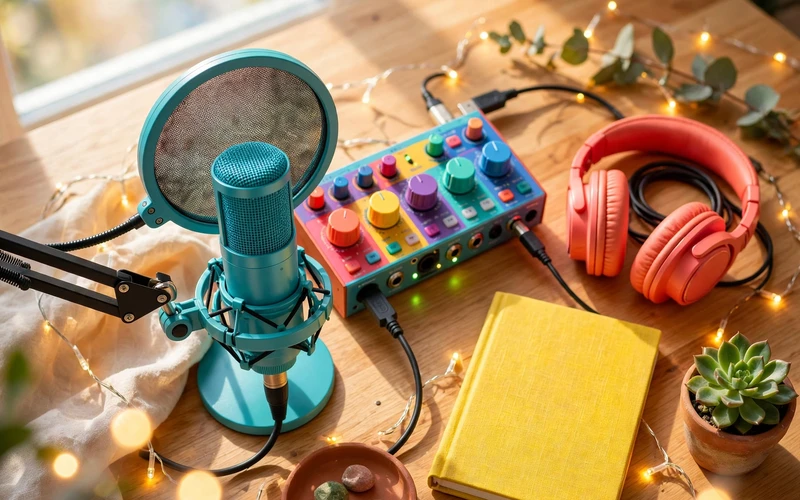
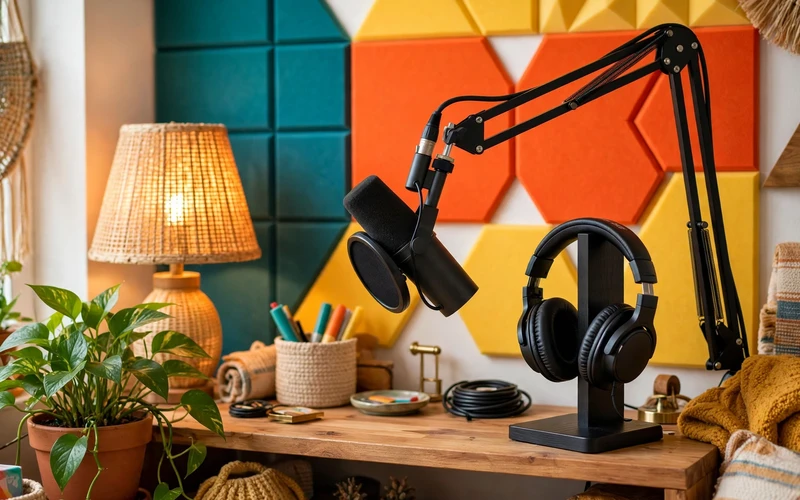
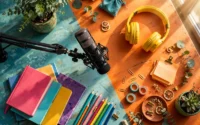
A USB microphone is a good first choice. It plugs into your laptop and is easy to use. Headphones help you hear your voice clearly and notice background noise. A pop filter is a small screen in front of the microphone. It helps reduce harsh sounds. A laptop or a phone can work for recording. A quiet room is more important than a costly device.
The table below shows a simple starter setup. The prices are examples only, to help you plan a budget. Real prices can change by store, brand, and country.
| Item | What It Does | Example Price |
|---|---|---|
| USB microphone | Records your voice clearly | $50 to $100 |
| Headphones | Help you hear your audio | $25 to $60 |
| Pop filter | Reduces harsh breath sounds | $10 to $20 |
| Microphone stand | Holds the mic in place | $20 to $40 |
Prices in this table are illustrative only.
Step 4: Set Up a Quiet Recording Space
You do not need a studio. A small, quiet room can work well. Pick a room with soft items, like a bed, a sofa, curtains, or a rug. Soft items help reduce echoes. A room with bare walls and a hard floor can make your voice sound sharp and empty.
Close the windows and doors before you record. Turn off fans, TVs, and other noisy items if you can. Tell people at home that you are recording. Put your microphone on a steady desk, and sit about a hand’s length away. Speak in a natural way, as if you are talking to one friend. Do a short test recording first, and listen to it with your headphones.
Step 5: Plan Each Episode Before You Record
A plan makes recording much easier. It helps you stay on track and avoid long pauses. Start with a simple outline. Write the main point of the episode in one line. Then write three or four key points you want to cover. Then write a short ending with a quick summary.
Write your notes in your own words. You do not need to write every word. A full script can sound stiff, while short notes can sound natural. Start each episode in a warm way. Say hello, say what the episode is about, and say why it matters. One page of notes is often enough for a 20-minute episode.
Step 6: Record Your Episode
Recording can feel strange at first. Many beginners do not like the sound of their own voice. That is normal. With time, you will get used to it.
Pick a quiet time to record. Sit in a relaxed way. Take a deep breath, and smile a little before you start. A smile can make your voice sound warm and friendly. Speak slowly and clearly, and take short pauses between ideas. Do not worry about small mistakes. If you say a word wrong, pause and say the line again. You can remove the bad part later when you edit. Save your recording with a clear file name, and keep a backup copy if you can.
Step 7: Edit Your Audio in a Simple Way
Editing means cleaning up your audio. You do not need to make it perfect. You only need to make it easy to listen to.
First, listen to your full recording. Remove long pauses, loud breaths, and repeated lines. Remove any loud noise at the start or the end. Next, check the volume. Your voice should stay at a steady level, not too loud and not too soft.
You can use free audio editing software to start. Pick one tool and learn its basic steps: how to cut, how to save, and how to export your file as an MP3. You do not need to learn every feature. Do not spend too many hours on editing. A clean and simple edit is enough.
Step 8: Choose a Podcast Host and Publish
A podcast host is a service that stores your audio files and shares them with listening apps. When you publish an episode, your host creates a feed. Listening apps use that feed to show your show to people.
Pick a host that is simple and clear for beginners. Look for one that lets you upload audio, write episode notes, and share your show with major apps. Some hosts have a free plan with limits. Some have paid plans with more space and tools. Read the plan details before you pick one. To publish, you will need a show name, a short show description, and cover art. For each episode, write a clear title and a short description.
Step 9: Grow Your Listeners Slowly
Growth takes time. Do not expect many listeners in the first week. Most new shows grow slowly. That is normal. Focus on making good episodes and sharing them in a steady way.
Share each new episode with people who may like it. You can share it on your blog, on social media, or in a small group. Write one or two lines about what the episode covers and why it may help them. Ask your listeners to follow your show and share it with a friend if they liked it. Word of mouth is strong. You can also invite guests who have their own listeners.
Can You Make Money From a Podcast?
Many beginners ask this question early. It is fair to ask, but it is best to be honest about it. A podcast does not bring income at once. It takes time, steady episodes, and a loyal audience.
Some podcasters earn through ads, sponsors, or listener support. Some sell a product, a course, or a service. Some use a podcast to grow a blog or a business. These paths can work, but none of them is a sure thing. Do not start a podcast only for quick money. Start it because you enjoy the topic and you want to help people.
Common Mistakes Beginners Should Avoid
Many beginners make the same small mistakes. You can avoid them with a little care. One mistake is to try to be perfect. You may record the same line many times and edit for hours. Aim for clear and natural, not perfect.
Another mistake is to pick a topic that is too wide, or to stop after three episodes. Many shows stop early because growth is slow. Give your show time, and publish on a steady schedule for a few months before you judge it. Another mistake is poor sound. If listeners cannot hear you clearly, they may stop listening. Record in a quiet room, and test your audio with headphones.
Conclusion
Starting a podcast in 2026 does not need to be hard or costly. Pick a topic you love. Choose a simple format. Get basic gear. Record in a quiet room. Plan, record, edit, and publish one episode at a time. Your first episodes will not be perfect, and that is fine. Start small, stay steady, and keep learning.
Frequently Asked Questions
How much does it cost to start a podcast?
You can start with a low budget. Many beginners start with a phone, free editing software, and a quiet room. If you buy a USB microphone and headphones, your cost will be higher. A podcast host may have a free plan or a low-cost plan.
Do I need a good voice to start a podcast?
No, you do not need a perfect voice. Listeners care more about clear ideas and honest talk than a perfect voice. Speak in a natural way, speak slowly, and use plain words. With practice, your voice will sound more relaxed.
How long should my first podcast episode be?
A first episode of 15 to 20 minutes is a good choice for many beginners. It is long enough to share useful ideas and short enough to record and edit with ease. You can make longer episodes later.
What equipment do I need for a podcast?
You need a way to record your voice, a way to hear it, and a quiet place. A USB microphone, headphones, and a laptop or phone are enough to start. A pop filter and a stand can help, but they are not a must on day one.
Where can I publish my podcast?
You can publish your podcast through a podcast host. The host stores your audio and shares it with listening apps. After you publish, people can find your show in the apps where they listen to podcasts.
How often should I publish new episodes?
One episode a week is a good pace for many beginners. One episode every two weeks is also fine if your time is short. Pick a pace you can keep for months. A steady pace helps listeners trust you.
Can I start a podcast with just my phone?
Yes, you can start with a phone. Many phones can record clear voice in a quiet room. Use a simple recording app and headphones to check your sound. A phone is a good way to test your idea before you buy more gear.
How do I get my first listeners?
Share your show with people who care about your topic. Tell friends, readers, and small groups about your first episode. Ask them to listen and share it if they liked it. Make good episodes on a steady schedule, and keep sharing each new episode.





- Be Respectful
- Stay Relevant
- Stay Positive
- True Feedback
- Encourage Discussion
- Avoid Spamming
- No Fake News
- Don't Copy-Paste
- No Personal Attacks
- Be Respectful
- Stay Relevant
- Stay Positive
- True Feedback
- Encourage Discussion
- Avoid Spamming
- No Fake News
- Don't Copy-Paste
- No Personal Attacks
