15 Tips to Make Money as a Spark Driver for Beginners in 2026
Published: 13 Nov 2026
Learning how to make money as a Spark Driver for beginners starts with one truth: this is delivery work, not fast food runs. You pick up grocery orders from a store, then drop them at a customer’s door. Pay can be strong, but only when you choose offers wisely.
This guide gives you 15 clear tips: 10 steps to start, then 5 ways to earn more per hour. You will learn the requirements, the zone system, the tier system, and how pay really works after gas and taxes. Spark is one of the weekly paying side hustles that fits drivers who like flexible days.
How Spark Driver Pay Works
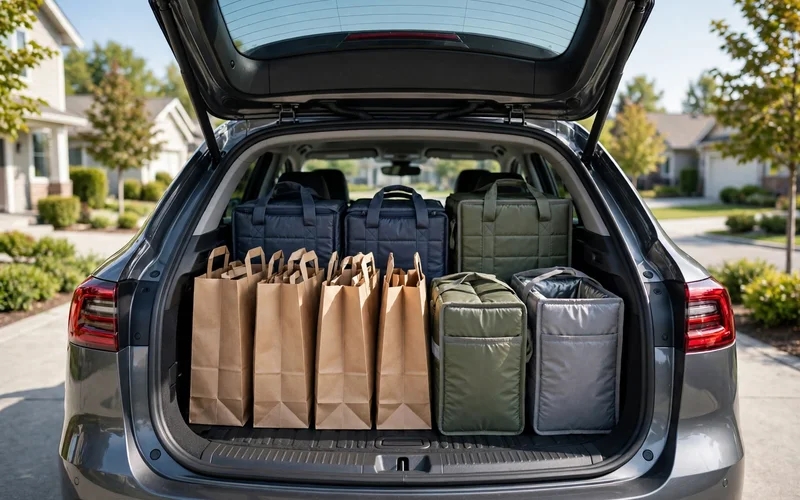
Every offer shows a total before you accept it. That total is base pay plus the customer’s tip, plus any bonus running at the time. Base pay depends on distance, item count, and effort. Drivers keep 100% of tips, and tips often make up 25% to 50% of total earnings.
Reported pay varies by market and hour. Gridwise data puts the median at $21.74 per hour, rising to $22.57 with incentives, while most drivers report $15 to $25 per hour. Quiet hours can fall to $10 to $14. These are reported figures, not a promise, so always check your market.
| Pay measure | Reported figure |
|---|---|
| Median per active hour | $21.74 ($22.57 with incentives) |
| Typical reported range | $15–$25 per hour |
| Quiet hours | $10–$14 per hour |
| Peak hours in strong markets | $25–$30 per hour |
| Median per task | About $10.25 |
| Tips | 25–50% of earnings; drivers keep 100% |
Here is an illustrative example, not a promise. Suppose you gross $22 in one hour and drive 12 miles. At 72.5 cents per mile, vehicle costs equal about $8.70. That leaves about $13.30 before tax. As a 1099 contractor, you also owe 15.3% self-employment tax on net earnings, so set money aside. Fuel savings help too, and the best cashback apps can trim a little off every fill-up.
Spark is delivery-only work. Curbside orders need no shopping at all, and even shop and deliver orders are a small share of the day for most drivers. That is the key difference in any Walmart Spark vs Instacart comparison: one is built around driving, the other around shopping.
Step 1. Check You Meet the Basic Requirements
You must be at least 18 years old, hold a valid driver’s license, and have an insured car. You also need a smartphone, since the whole job runs through the Spark Driver app. There is no vehicle year rule and no inspection, which keeps the start simple.
Check your driving record before you apply, because the background check looks back seven years. Serious issues, like a recent DUI or felony, can disqualify you. A clean record speeds things up. If you are unsure, fix small record problems first, then submit your application with confidence.
Step 2. Pick the Right Zone Before You Apply
Spark assigns you to a zone tied to one store. That store becomes your home base, so pick a zone you can reach fast and know well. A short drive to the store means less unpaid mileage and more time on paid offers. Location choice shapes your whole earning pattern.
If your first-choice zone is full, you will join a waitlist, and the wait can stretch for weeks. Many drivers get moving sooner by choosing a slightly less busy nearby store. You can request a zone change later, so do not let one full zone stop you from starting.
Step 3. Apply Through the Spark Driver App
Download the Spark Driver app and create your profile for your chosen zone. The application itself takes about ten minutes. You will enter your license, insurance, and vehicle details, then consent to the background check. Double-check every detail, because a typo can slow your approval by days.
Apply to only one zone at a time and keep your documents ready before you start. A clear photo of your license and a current insurance card help the review move fast. Once you submit, watch the app and your email for updates, and respond to any document request fast.
Step 4. Pass the Background Check
Spark runs the background check through Checkr, with a seven-year lookback on criminal and driving history. Most checks finish in three to five business days, though some take up to a week. You cannot drive until it clears, so apply early and use the wait to prepare your car.
If the check flags an old issue, read the notice before you panic. You may be able to correct a wrong record or provide extra documents. Keep your contact details current so Checkr can reach you. A slow check is normal, but a missing reply from you can stall it.
Step 5. Set Up Your Payout Wallet
Spark pays through the Branch wallet on a cycle, with money landing on Tuesdays. You can move earnings instantly for a 2% fee, which adds up fast if you use it. The ONE wallet offers instant access after each trip. Pick the payout method that fits your cash flow needs.
Link your bank details correctly on the first try and test one payout before you count on the money. Keep a buffer in your account for gas, because weekly pay means you fund fuel first. Treat payout day as payday, and move a share to savings for taxes right away.
Step 6. Learn the Two Order Types
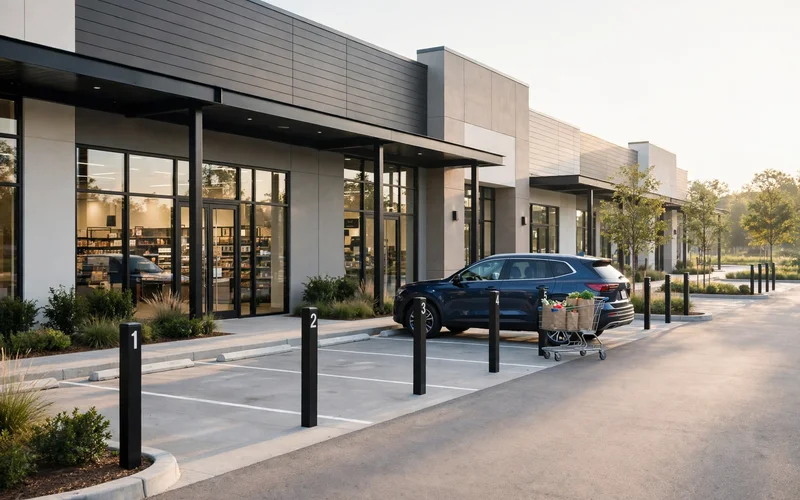
Spark offers come in two types: curbside delivery and shop and deliver. With curbside, store staff pack the order and you collect it and drive. With shop and deliver, you walk the aisles, pick each item, and then deliver it. Shopping orders take longer but often pay more per trip.
New drivers should start with curbside orders to learn the app, the store layout, and the drop-off routine. Once you feel fast and calm, try shop and deliver orders during quiet hours. Knowing both types doubles the offers you can accept, which matters most when your zone is slow.
Step 7. Understand How Offers Reach You
Spark sends offers in two ways: Round Robin and First Come First Served. Round Robin offers go to one driver, with a few minutes to accept, and declining them can lower your acceptance rate. First Come First Served offers go to drivers at once, and the first tap wins.
Round Robin offers arrive once an hour, so treat each one as a decision, not a reflex tap. First Come First Served offers reward speed, so keep the app open and your phone charged. Learning which type you are seeing helps you protect your acceptance rate while skipping bad pay.
Step 8. Learn the Tier System
Spark ranks drivers in tiers, from Tier 1 for new drivers up to Tier 3 for top performers. Your tier depends on your acceptance rate, on-time rate, and customer ratings over a rolling 90-day window. Higher tiers can unlock priority access to offers, better batch offers, and earlier peak windows.
Tier 2 is the first goal for most beginners. In many markets it takes 20 or more trips in a calendar month plus a green customer rating, and it can include a free membership and perks. Check your metrics, because small habits now decide your tier three months from today.
Step 9. Gear Up Your Car for Deliveries
A delivery-ready car saves time on every trip. Keep insulated bags for cold and frozen food, a phone mount at eye level, and a car charger that works. Add a flashlight for night drops and a pen for notes. These cheap items stop small problems from eating your hourly pay.
Keep your car clean and your fuel tank above a quarter full before you go online. A car loads faster, and a low tank forces a fuel stop that kills your rhythm. Check your tires and oil weekly, because a breakdown during a delivery hurts your rating and your day.
Step 10. Do Your First Delivery Right
Your first delivery sets the tone for your rating, so slow down and follow the app step by step. Confirm each item, read the drop-off notes twice, and take a clear photo at the door when the app asks. A first trip builds confidence, and confidence makes every trip faster.
Text the customer when it helps, such as a missing item or a locked gate. Be polite, short, and clear, then finish the delivery in the app right away. A 4.7-star rating is the level to maintain for full access, so protect it from day one with careful, friendly service.
Tip 1. Judge Every Offer by Pay Per Mile
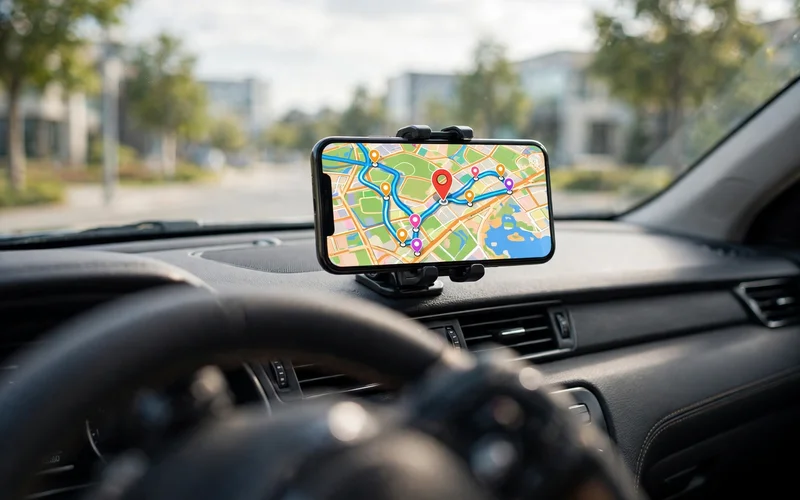
The offer total looks tempting on its own, so always divide it by miles before you tap accept. Count every mile: the drive to the store, the trip to the customer, and the drive back. A $20 offer over 15 miles pays worse than a $14 offer over 5 miles.
Use a rule: accept offers at or above your minimum dollars per mile, and skip the rest without guilt. Many experienced drivers use $1.50 to $2 per mile as a filter. Set your floor, write it down, and follow it on every shift. Discipline here is where the profit lives.
Tip 2. Work the Peak Hours
Spark pay rises when demand rises, so plan your shifts around the busiest windows. Weekend mornings, holidays, and bad weather usually bring more orders and extra bonus pay. Daytime grocery volume is strong, which suits drivers who prefer daylight hours over late-night food runs.
Quiet weekday middays pay $10 to $14 per hour, while strong peak windows can reach $25 to $30. That gap is why timing beats extra hours. Test two or three windows in your zone, track what each hour pays, and then build your weekly schedule around your best windows only.
Tip 3. Track Every Mile and Save for Taxes
You are a 1099 contractor, so no tax is taken from your pay and you must set money aside yourself. Self-employment tax is 15.3% on net earnings, plus income tax. Track every business mile with an app, because the standard mileage rate covers gas, wear, and repairs in one figure.
Log miles from the moment you leave home until you return, not just the drop-off leg. Keep fuel receipts and a note of gross pay, miles, and costs. This habit cuts your tax bill and shows your hourly rate. Most beginners skip it, and most guess wrong about profit.
Tip 4. Protect Your Acceptance Rate and Your Rating
Your acceptance rate shapes which offers you see, even though Spark publishes no hard cutoff. Drivers who decline often, especially on high-value orders, report being pushed down the queue. Accept most offers that clear your pay-per-mile floor, and decline low ones calmly instead of chasing every tap.
Your customer rating matters just as much, with 4.7 stars as the level to maintain for full access. Handle items gently, follow drop-off notes, and message early about substitutions or delays. One careful habit, like double-checking the address before you leave the store, can save a whole rating point.
Tip 5. Climb the Tiers for Better Offers
Higher tiers can mean priority access to offers, better batch offers, and earlier entry to peak bonus windows. Your tier is judged on acceptance, on-time delivery, and ratings over a rolling 90-day window, so every shift counts toward the next tier. Treat each month as a climb, not a push.
Aim for Tier 2 first, since it is the goal for a beginner. That usually means 20 or more trips in a calendar month with a green customer rating, and it can bring a free membership and perks. Stay consistent for 90 days, and the better offers start finding you.
Common Mistakes to Avoid
Avoid these common mistakes, and your first month will go much smoother:
- Accepting every offer without checking pay per mile, which burns fuel on low-value trips.
- Driving only in quiet hours, then blaming the app for low pay.
- Forgetting to track miles, which means paying more tax than you owe.
- Paying the 2% instant-transfer fee every day instead of waiting for the free weekly payout.
- Applying to a full zone with no backup plan, then sitting on a waitlist for weeks.
- Skipping photo confirmation or drop-off notes, which hurts your customer rating.
- Treating gross pay as profit and forgetting fuel, wear, and self-employment tax.
FAQs
How much do Spark drivers make per hour?
Reported medians put Spark drivers at $21.74 per active hour, or $22.57 with incentives, based on Gridwise data. Most drivers report $15 to $25 per hour, with quiet hours near $10 to $14 and strong peak windows reaching $25 to $30. Your market, hours, and offer choices change the number, so treat these as reported ranges, not a promise.
What are the requirements to become a Spark driver?
You must be at least 18 years old, hold a valid driver’s license, and have an insured car and a smartphone. You must also pass a background check run by Checkr, with a seven-year lookback on criminal and driving history. There is no vehicle year rule and no inspection.
How long does the Spark driver background check take?
Most checks finish in three to five business days, though some take up to a week. You cannot drive until it clears, so apply early. If the check flags an issue, read the notice and correct any wrong record before you reapply.
What is a Spark driver zone, and what happens if mine is full?
A zone is tied to one specific store, and that store becomes your home base for offers. If your zone is full, you join a waitlist, which can last weeks. Many drivers start sooner by choosing a slightly less busy nearby store, then request a zone change later.
How does Spark Driver pay work?
Each offer shows an estimated total before you accept it: base pay plus 100% of the customer’s tip, plus any bonus. Spark pays weekly through the Branch wallet, with money landing on Tuesdays, and instant transfers cost a 2% fee. The ONE wallet offers instant access after each trip.
What is the difference between curbside and shop and deliver orders?
With curbside orders, store staff pack the order and you only collect it and drive. With shop and deliver orders, you walk the aisles, pick each item, and then deliver it. Shopping orders take longer but often pay more per trip, so learn both types.
How do Spark driver tiers work?
Spark ranks drivers from Tier 1 for new drivers up to Tier 3 for top performers. Your tier depends on your acceptance rate, on-time rate, and customer ratings over a rolling 90-day window. Tier 2 is the first real goal, usually taking 20 or more trips in a month plus a green customer rating.
Is Spark Driver better than DoorDash for beginners?
On reported medians, Spark pays more per active hour than DoorDash, but orders take longer and many zones have waitlists. DoorDash usually lets you start faster, with shorter trips and no zone system. If you want higher pay per trip and can wait for a zone, Spark wins; if you want to start today, DoorDash is easier.
Conclusion
Spark Driver suits beginners who like driving, flexible hours, and grocery-sized orders. The start is simple: meet the requirements, pick a smart zone, pass the check, and learn the app. The money follows drivers who judge every offer by pay per mile and protect their rating.
Start this week, even if your first zone is waitlisted. Apply to a nearby store, prepare your car, and work your first peak window with a plan. On slow days, you can also earn free gift cards or try online surveys for cash while you wait for better offers.





- Be Respectful
- Stay Relevant
- Stay Positive
- True Feedback
- Encourage Discussion
- Avoid Spamming
- No Fake News
- Don't Copy-Paste
- No Personal Attacks
- Be Respectful
- Stay Relevant
- Stay Positive
- True Feedback
- Encourage Discussion
- Avoid Spamming
- No Fake News
- Don't Copy-Paste
- No Personal Attacks
