25 Tips to Make Money on Instacart for Beginners in 2026
Published: 13 Nov 2026
If you want to make money on Instacart for beginners, this guide gives you a clear plan to start strong and earn more from every batch. You will learn how sign-up works, how batch pay works, and which small habits raise your hourly pay. Start with the basics below.
Instacart is a grocery delivery gig where you shop for customers and bring their orders to their door. Most beginners start as full-service shoppers, which means you shop and deliver. Pay comes from batch pay, promotions, and customer tips, and most shoppers get paid weekly by direct deposit.
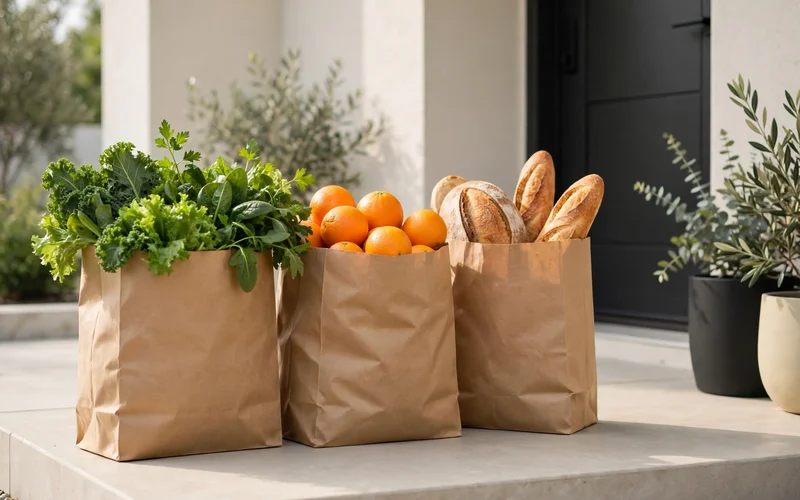
How Instacart Shopper Pay Works
Your pay for each order has three parts: batch pay, promotions, and customer tips. Instacart shows the full estimated pay, including the tip, before you accept a batch. That preview helps you pick good orders and skip weak ones with confidence.
Self-reported data puts the average near $18 per hour, while tracked earnings data shows a median closer to $12.50 per hour. Your real pay depends on your area, your hours, and your batch choices. Treat every figure here as reported data, not a promise of income.
What Is New for Shoppers in 2026
On October 29, 2026, DoorDash agreed to acquire Instacart in a deal worth about $17 billion. The deal still needs shareholder and regulatory approval, and it is expected to close in late 2027 or the first half of 2028. Nothing changes for shoppers right away.
Instacart and DoorDash will keep running as separate apps until the deal closes. Shoppers can later choose whether to take DoorDash orders or keep shopping only on Instacart. For now, your sign-up, batches, and pay work exactly as before, so focus on building good habits.
Full-Service Shopper vs In-Store Shopper vs Delivery Only
| Shopper role | What you do | Car needed | Customer tips |
|---|---|---|---|
| Full-service shopper | Shop the order and deliver it | Yes | Yes, you keep 100% |
| In-store shopper | Shop the order in the store only | No | No, hourly wage instead |
| Delivery-only shopper | Deliver a pre-packed order | Yes | Yes, you keep 100% |
Step 1. Check the Instacart Shopper Requirements
To become an Instacart shopper, you need to be at least 18 years old and have the legal right to work. You also need a smartphone, a bank account, and the ability to lift 40 pounds. These are the basic checks for every new shopper.
Full-service shoppers also need a valid driver’s license, an insured car, and a clean enough driving record. If you want to deliver alcohol orders, you must be at least 21 in many places. Check each item on this list before you apply.
Step 2. Pick the Right Shopper Role for You
Most new beginners should pick full-service shopping because it usually pays the most and offers the most freedom. You shop the order, deliver it, and keep 100% of the customer tips. Your schedule stays fully in your own hands from day one.
In-store shopping suits people who want a steady hourly wage and no driving at all. Delivery-only work suits people who like driving but do not enjoy shopping much. Pick the role that fits your car, your time, and your comfort level best.
Step 3. Apply and Pass the Background Check
Apply on the Instacart Shopper sign-up page and fill in your details with care. You will also submit a tax form and agree to a background check that covers your criminal record and driving record. Small errors can slow the process, so double-check every field.
The Instacart background check time is often one to three business days, but it can take a week or more in some cases. Use the wait to learn your local stores and plan your first week. You cannot take batches until the check clears.
Step 4. Set Up Your Payment Method
Link your bank account during sign-up so your weekly pay lands by direct deposit. Weekly pay is free and steady, which makes it easy to plan your budget, like other side hustles that pay weekly. Keep your bank details current so no payout ever fails.
You can also use instant cashout to move your earnings to your bank the same day for a small fee. Save instant cashout for tight weeks and let the free weekly payout handle the rest. Fast access is handy, but fees add up over time.
Step 5. Get Your Gear Ready Before Day One
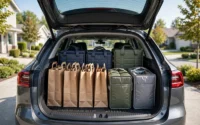
Buy a few strong, roomy insulated bags to keep cold food cold and hot food warm. Good bags protect your rating because customers notice fresh, well-kept groceries. They also help you carry more bags in fewer trips to the customer’s door.
Add a phone charger, a small cart hook, and a pen for notes if you like paper lists. Keep your gear in the car so you never waste time hunting for it. A ready car means faster batches and calmer shopping trips.
Step 6. Learn Your First Store Inside Out
Pick one store near your home and learn it well before you branch out. Walk the aisles, note where produce, dairy, frozen food, and bread live, and learn the fastest route through the store. Familiar stores mean faster picks and fewer mistakes.
Ask store staff where hard-to-find items sit and note the busy hours to avoid. When you know the store layout by heart, your shopping speed rises without any stress. Speed is one of the biggest levers on your hourly pay as a shopper.
Step 7. Take a Small First Batch
Choose a small first batch with under ten items at a quiet time of day. A small order lets you learn the app, the pick process, and the delivery flow without pressure. You will make a few mistakes, and that is fine.
After each early batch, note what slowed you down and what went well for you. Fix one small thing per trip, like your route or your bag packing style. Slow, careful starts build the speed and ratings that pay off later.
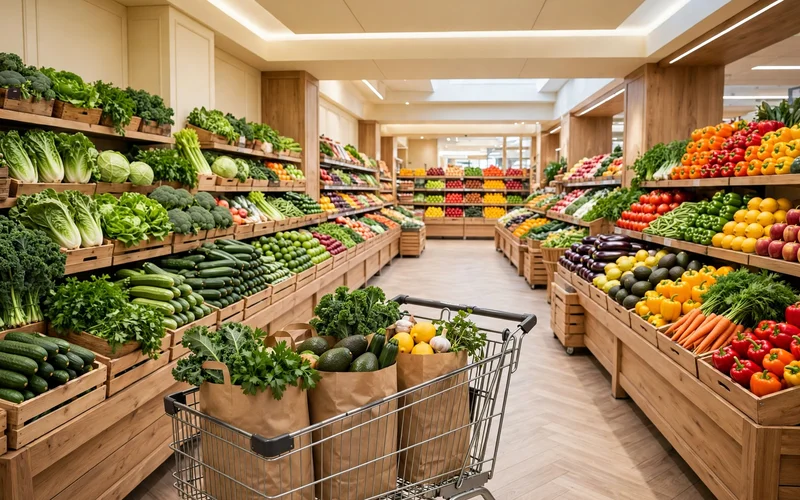
Tip 1. Judge Every Batch With Pay, Time, and Miles
Instacart batches explained in one line: each batch shows pay, items, distance, and time before you accept. Use a simple test and divide the pay by the time and the miles. A batch that pays well for short miles beats a big batch with a long drive.
Say a batch pays $20 for one hour and ten miles; that is a fair deal for many shoppers. Say another pays $25 for two hours and thirty miles; that is often a weak deal. Run this quick math every time before you tap accept.
Tip 2. Work the Peak Hours
Peak hours are the busiest shopping times of the day, usually late mornings, early evenings, and weekends. More orders appear then, and customers often tip better when they want fast service. Plan your best shifts around these busy windows each week.
Try a few different time slots and track which ones pay best in your area. One area may peak at lunch, while another peaks after work. Your own notes beat any generic advice about the best hours to shop each week.
Tip 3. Shop Fast Without Rushing Quality
Shopping speed grows from a smooth routine, not from running fast through the aisles. Scan the full list first, group items by aisle, and pick the closest items in order. A calm plan saves minutes on every single batch you take.
Check each item for freshness and damage as you pick it up from the shelf. A bruised fruit or dented can can cost you a good rating. Fast plus careful is the mix that earns repeat tips and steady work over time.
Tip 4. Learn the Store Layout by Heart
Every store has its own logic, and learning it is free money. Produce often sits near the entrance, dairy and meat sit along the walls, and frozen food hides at the back. Walk the route once and your picks get faster.
Keep a short note on your phone for each store you shop in often. List the tricky spots, like the spice aisle or the gluten-free shelf. Good notes turn a strange store into a fast store within just a few visits.
Tip 5. Message Customers About Replacements Early
Replacements and substitutions cause most shopper headaches, so talk to the customer early in the trip. When an item is missing, send a quick message with two close options and a photo if needed. Most customers reply fast when you ask clearly.
Never guess a replacement without asking, unless the customer already set a clear choice in the app. A wrong swap can hurt your rating more than a short wait for a reply. Clear chats build trust and better tips over time.
Tip 6. Pick Smart Replacements Every Time
A good replacement matches the brand, size, flavor, and price of the missing item closely. Pick the closest match first, then a same-brand different-size option if you need one. Customers notice when the swap feels thoughtful and fair to them.
Skip replacements that change the recipe, like swapping sweet for plain or regular for low-fat without asking first. If no good match exists, mark the item as not found and move on. Honest gaps beat bad swaps every single time.
Tip 7. Protect Your Rating From Day One
Your rating shapes which batches you see and how customers treat you each day. Arrive on time, follow delivery notes, and handle food with care on every trip. Small courtesies, like a friendly message at drop-off, add up fast over time.
If something goes wrong, tell the customer right away and fix what you can quickly. A quick apology and a clear plan calm most problems down fast. Ratings grow slowly, so guard yours with care from the very first batch.
Tip 8. Keep Cold Food Cold With Insulated Bags
Insulated bags are cheap gear with a big payoff for your ratings. Put frozen and chilled items in them right after checkout, and keep hot items in a separate bag. Customers can taste and feel the difference at the door.
Replace worn bags right away when the lining tears or the zipper fails on you. A tired bag leaks cold air and slows your packing down. Fresh bags, packed in order, make every delivery look neat and professional to customers.
Tip 9. Track Every Mile You Drive
Mileage tracking is one of the easiest ways to keep more of what you earn. Log every work mile from the moment you leave for a batch until you return home. Apps can track this for you, or a simple notebook works too.
The 2026 standard mileage rate is 72.5 cents per mile for driving from January through June, and 76 cents per mile from July 1 onward. As an example only, 100 work miles at 72.5 cents equals $72.50 in tracked value for your records.
Tip 10. Set Aside Money for Taxes
Full-service shoppers work as independent contractors, so no tax is taken from your pay. Set aside a share of every payout in a separate savings account for tax time. A simple rule is to save a fixed slice from each week.
Keep your mileage log, receipts, and payout records in one folder all year. If you earn $600 or more, Instacart sends a tax form for your records. Clean records turn a stressful tax season into a simple one, and a tax professional can help with the details.
Tip 11. Watch for Promotions and Peak Pay Boosts
Promotions add extra pay on top of batch pay during busy times or in busy areas. Check the app each morning for boosts, quests, and guaranteed-pay offers near you. A small boost can turn an average batch into a good one.
Do not chase a boost across town if the long drive eats the whole bonus. Pair boosts with batches already near you for the best return on time. Smart shoppers stack promotions onto good batches each day, not onto long drives.
Tip 12. Skip Low-Pay Batches Without Guilt
Not every batch deserves your time, and skipping weak ones is part of the job. If the pay is low, the miles are long, or the item count is huge, let it pass. Better batches appear often during busy hours.
Keep an eye on your acceptance habits, since very low acceptance can limit the batches you see. The goal is a balance: skip the worst offers, take the fair ones, and keep your week steady. Choice is your biggest advantage.
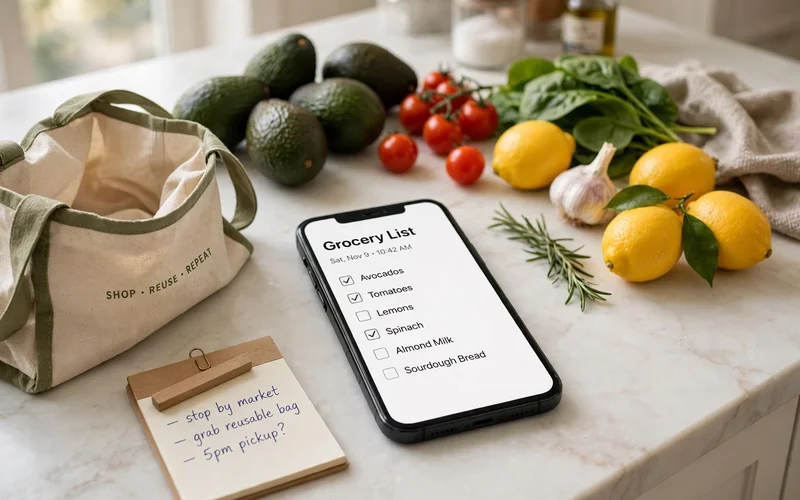
Tip 13. Handle Double Batches With Care
A double batch groups two orders into one trip, and it can pay well when the stores match. Check that both orders come from the same store and that the drop-off points sit close together. Two close stops beat two far ones every time.
Keep the orders apart with separate bags and a clear note for each customer. Mixing up items is the fastest way to lose two ratings at once. Double batches reward careful packing, so slow down for one extra minute each time.
Tip 14. Deliver With Care at the Door
Read the delivery notes before you leave the store, not when you reach the door. Some customers want a knock, some want a text, and some want a leave-at-door drop. Follow the note exactly and you will avoid most delivery complaints.
Place bags neatly, keep eggs and bread on top, and send a short message when you finish. A tidy drop and a quick note show care without taking much extra time. Good drops lead to good ratings and repeat tips.
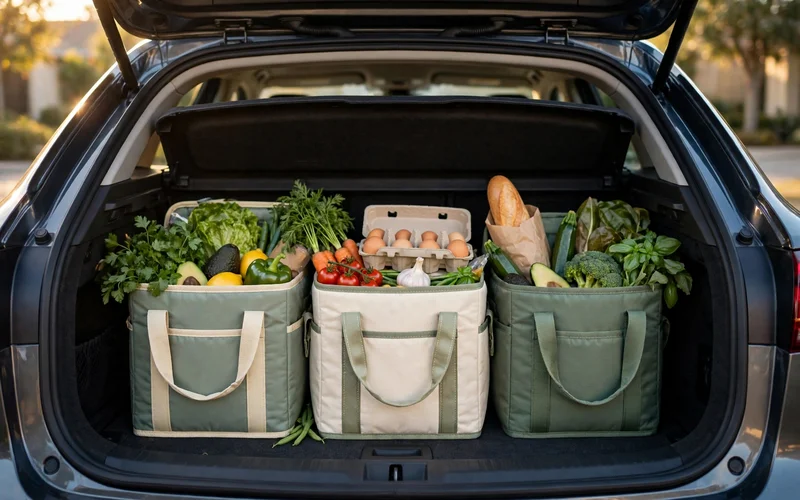
Tip 15. Keep Your Car Ready for Work
A clean, reliable car is your main work tool as a shopper each day. Check your fuel, tires, and brakes each week, and clear space in the trunk before every shift. A ready car means no delays and no missed batches.
Keep a small kit in the trunk with extra bags, wipes, and a phone charger always ready. Small problems, like a dead phone or a torn bag, cost real money mid-batch. A weekly car check keeps your work smooth and stress-free.
Tip 16. Compare Instacart vs Shipt Before Adding a Second App
Instacart vs Shipt for beginners is a common question, and the answer depends on your area. Shipt also offers grocery shopping work, but store coverage, pay rules, and batch flow differ by market. Test one app well before you add another.
If you run two apps, set clear rules for when each one gets your time. One app per shift keeps your focus sharp and your ratings safe. Two apps can raise income, but only when each one earns its hours.
Tip 17. Track Your Real Hourly Pay Each Week
Write down your total pay, your hours, and your miles at the end of each week. Divide your pay by your hours to find your real hourly rate after costs. This number tells you more than any single good day ever will.
If your rate falls, change one thing at a time, like your hours or your batch picks. Small tests show what works in your area within a week or two. Shoppers who track numbers improve faster than shoppers who guess.
Tip 18. Build a Steady Weekly Routine
Pick set shopping days and hours that fit your life, then protect them like work shifts. A steady routine helps you learn peak times, regular customers, and the best stores. Steady weeks also make your income easier to plan and save.
Review your week each Sunday and keep what worked well. Drop the time slots that paid poorly and add more of the ones that paid best. If you want income between batches, online surveys for beginners can fill short gaps at home. Small weekly tweaks compound into real gains.
Common Mistakes to Avoid
- Accepting every batch without checking the pay, time, and miles first.
- Shopping without learning the store layout, which wastes minutes on each order.
- Guessing replacements instead of asking the customer for a quick choice.
- Forgetting to track miles, which loses valuable tax records.
- Spending all of each payout instead of setting money aside for taxes.
- Chasing promotions across town when the drive costs more than the bonus.
- Delivering without reading the drop-off notes left by the customer.
- Letting your rating slip by ignoring messages from customers.
FAQs
How much do Instacart shoppers make per hour?
Self-reported data puts the average near $18 per hour, while tracked earnings data shows a median closer to $12.50 per hour. Your pay depends on your area, hours, and batch choices, so treat these as reported figures, not a promise.
How long does the Instacart background check take?
The check often takes one to three business days, but it can take a week or more in some cases. You cannot accept batches until it clears, so apply early and use the wait to learn your local stores.
What do I need to become an Instacart shopper?
You need to be at least 18, have the legal right to work, own a smartphone, hold a bank account, and lift 40 pounds. Full-service shoppers also need a valid driver’s license and an insured car.
What is the difference between a full-service shopper and an in-store shopper?
A full-service shopper shops the order and delivers it, earning batch pay plus 100% of tips. An in-store shopper is an employee who shops in the store only and earns an hourly wage with no tips.
Do Instacart shoppers keep 100% of tips?
Yes, full-service and delivery-only shoppers keep 100% of customer tips. Customers can raise a tip for up to 14 days after delivery, which rewards great service even after the order ends.
How does Instacart pay work — weekly pay or instant cashout?
Most shoppers get weekly pay by direct deposit for free. You can also use instant cashout to move earnings to your bank the same day for a small fee, which suits tight weeks.
What is the 2026 mileage rate for Instacart shoppers?
The standard mileage rate is 72.5 cents per mile for driving from January through June 2026, and 76 cents per mile from July 1, 2026 onward. Track every work mile and keep your log for tax time.
Will the DoorDash deal change how Instacart shoppers work?
No, nothing changes right away. The deal was agreed on October 29, 2026 and is expected to close in late 2027 or the first half of 2028. Shoppers will later choose whether to take DoorDash orders.
Conclusion
Learning how to make money on Instacart takes a few good habits, not luck. Pick the right role, learn your stores, judge every batch on pay, time, and miles, and protect your rating. These basics put you ahead of most new shoppers fast.
Keep tracking your miles, your pay, and your week, and adjust one small thing at a time. If you want more ideas for flexible income, side hustles for students and cashback apps for beginners can round out your week. Start small, stay steady, and let your results grow.





- Be Respectful
- Stay Relevant
- Stay Positive
- True Feedback
- Encourage Discussion
- Avoid Spamming
- No Fake News
- Don't Copy-Paste
- No Personal Attacks
- Be Respectful
- Stay Relevant
- Stay Positive
- True Feedback
- Encourage Discussion
- Avoid Spamming
- No Fake News
- Don't Copy-Paste
- No Personal Attacks
