10 Free Budget Printables to Master Your Finances for Beginners in 2026
Published: 21 Nov 2026
Introduction
Free budget printables give beginners a simple paper system to plan income, track spending, and build steady money habits without complex tools. Each sheet focuses on one clear job, so you can see where money goes and make small changes that add up over time.
Many free templates exist online, and you can print only the pages you need for your current goal and lifestyle. Start with one or two sheets, use them for a full month, and then add another printable when the first routine feels easy and natural.
10 Free Budget Printables to Master Your Finances
1. Monthly Budget Planner
A monthly budget planner is a one-page sheet that lists income at the top and planned spending below it for the whole month. It helps you decide amounts for housing, food, transport, and fun before the month begins, instead of guessing later.
Fill it in on the first day of the month, then check it once each week to compare planned amounts with real spending. Pair it with the best budgeting methods that fit your income, and carry any unused amount forward so your next month starts with a clear plan.
2. Expense Tracker
An expense tracker is a simple log where you write every purchase, its date, and its category as soon as you spend money. Daily entries reveal small leaks, such as snacks and subscriptions, that often disappear from memory before the month ends.
Review the log each evening for two minutes, then add the totals at the end of each week to spot your biggest spending category. When a category grows too fast, set a smaller limit for the next week and move the saved amount toward a goal you care about.
3. Bill Payment Tracker
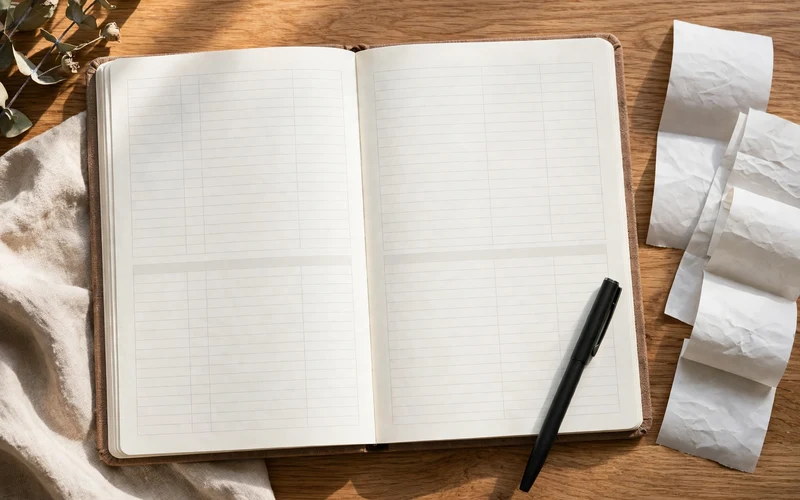
A bill payment tracker lists every regular bill, its due date, and its amount in one clear place so nothing slips past you. It works well for rent, utilities, phone service, and subscriptions that repeat on different days of the month.
Mark each bill when you pay it, and check the sheet at the start of each week for bills due in the next seven days. This simple habit helps you avoid late fees, protect your payment record, and keep your monthly cash flow calm and predictable.
4. Debt Payoff Tracker
A debt payoff tracker shows each balance, its minimum payment, and your progress as the balance falls month by month. Seeing the numbers move keeps you motivated, even when the total still feels large at the start of the journey.
Update the sheet after every payment, and celebrate small milestones such as paying off the smallest balance first. You can also follow pay off debt fast steps that match your budget, then focus extra money on one balance at a time.
5. Savings Challenge Tracker
A savings challenge tracker turns saving into a small game, with boxes to tick as you set money aside each day or week. Popular formats include weekly amounts that grow slowly, so the habit feels light at first and stronger over time.
Choose an amount you can keep, mark each success on the sheet, and keep the saved money separate from everyday spending cash. If you miss a day, continue with the next box instead of quitting, because steady progress matters more than a perfect streak.
6. Cash Envelope Templates
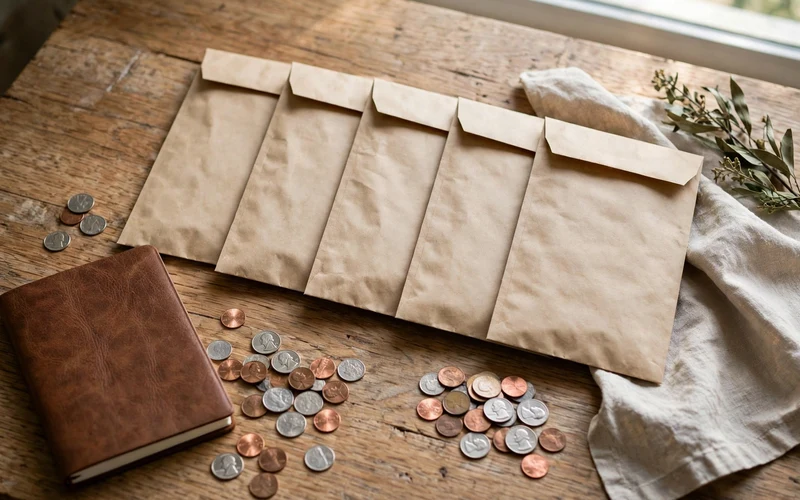
Cash envelope templates are printable labels or pouches for sorting physical cash into spending groups such as food, transport, and fun. When an envelope is empty, spending in that group stops, which makes limits easy to see and easy to respect.
Label one envelope for each group, place the planned cash inside at the start of the week, and carry only that envelope when shopping. This hands-on method also pairs well with a clear payment type for budgeting choice, so cash and card spending stay balanced and planned.
7. Grocery Budget Sheet
A grocery budget sheet helps you plan meals, list items by store section, and set a firm spending limit before you leave home. It keeps impulse buys in check and helps you compare prices across weeks without relying on memory alone.
Write your meals for the week, add only the items you need, and tick each one off as you place it in the cart. At the end of the trip, write the real total beside your planned amount, then adjust next week if prices or needs change.
8. Financial Goals Worksheet
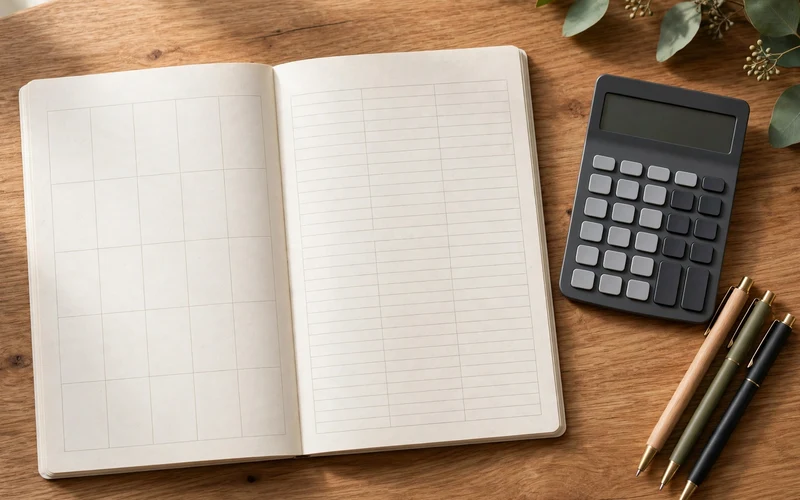
A financial goals worksheet turns a vague wish into a clear target, with space for the goal, the amount, and the date you want it. It works for an emergency fund, a holiday, new equipment, or any larger purchase you plan to save for over time.
Break the total into monthly steps, write the amount to save each month, and review the sheet on the first day of every month. Small monthly steps make a large goal feel possible, and each update shows how close you are to reaching it.
9. Income Tracker
An income tracker records every payment you receive, its source, and its date, so your total income is always clear and current. It is useful for varied income, including freelance work, part-time jobs, and small side projects with uneven paydays.
Add each payment on the day it arrives, total the month at the end, and compare income with spending before planning the next month. A clear income record also helps you choose the best budgeting apps and tools that fit how your money actually arrives each month.

10. Budget Binder Setup
A budget binder setup starts with a cover page, dividers for each printable, and a simple order that matches how you use them each month. Put the monthly planner first, then trackers for spending, bills, debt, and savings, so the most-used pages open first.
Add a pocket for receipts, keep a pen clipped inside, and store the binder where you will see it each day. Review the binder weekly, replace worn pages, and keep only the sheets you use, so the system stays light and easy to follow.
Which Printable Should You Use First?
| Printable | Best For | How Often to Use |
|---|---|---|
| Monthly Budget Planner | Planning the whole month | Monthly |
| Expense Tracker | Finding where money goes | Daily |
| Bill Payment Tracker | Paying bills on time | Weekly |
| Debt Payoff Tracker | Reducing balances steadily | After each payment |
| Savings Challenge Tracker | Building a saving habit | Daily or weekly |
| Cash Envelope Templates | Controlling cash spending | Weekly |
| Grocery Budget Sheet | Planning food spending | Weekly |
| Financial Goals Worksheet | Setting clear money targets | Monthly |
| Income Tracker | Recording varied income | After each payment |
| Budget Binder Setup | Organizing all your sheets | Weekly |
Common Mistakes to Avoid
- Printing every sheet at once instead of starting with one or two.
- Setting spending limits that are too strict to follow for a full month.
- Forgetting to record small cash purchases in the expense tracker.
- Skipping weekly reviews and letting the sheets fall out of date.
- Mixing savings money with everyday spending cash.
- Choosing a printable that does not match how you earn or spend.
- Leaving bills unmarked after paying them.
- Giving up after one missed day instead of continuing the next day.
FAQs
What are free budget printables?
Free budget printables are paper sheets you can print at home to plan income, track spending, and follow money goals without paid tools.
Which budget printable should beginners start with?
Start with a monthly budget planner and an expense tracker, because they show your income, planned spending, and real spending in one simple routine.
Do I need to print all 10 printables?
No. Print only the sheets that match your current goal, then add more when the first sheets feel easy to use each week.
How often should I update my budget printables?
Update expense and income sheets daily or after each payment, and review the full set once a week.
Are budget printables better than budgeting apps?
Paper printables suit people who like writing by hand and seeing pages together, while apps suit people who prefer automatic totals and reminders.
Can printables help me save money?
Yes. They make spending visible, so you can spot waste, set smaller limits, and move the saved amount toward a goal.
How do cash envelope templates work?
You label an envelope for each spending group, place the planned cash inside, and stop spending in that group when the envelope is empty.
How do I organize printables in a budget binder?
Use a cover page and dividers, put the monthly planner first, add a pocket for receipts, and keep the binder where you see it daily.
Conclusion
Start with the monthly planner and one tracker, use them for a full month, and add more printables only when the habit feels steady. Free budget printables work best as a simple daily habit, so keep your binder visible, review it weekly, and let small steady steps build lasting control.





- Be Respectful
- Stay Relevant
- Stay Positive
- True Feedback
- Encourage Discussion
- Avoid Spamming
- No Fake News
- Don't Copy-Paste
- No Personal Attacks
- Be Respectful
- Stay Relevant
- Stay Positive
- True Feedback
- Encourage Discussion
- Avoid Spamming
- No Fake News
- Don't Copy-Paste
- No Personal Attacks
