17 Easy Chores for Kids to Earn Money in 2026
Published: 17 Nov 2026
Easy chores for kids to earn money teach your child that effort leads to reward. When kids earn money for tasks, they start to value it and understand why hard work matters. This lesson builds responsibility, patience, and pride, and it gives children a reason to help at home.
This guide shares 17 chores with age guidance, example pay, and a pay table so you can start today. You will also learn how to set up a chore chart, keep tasks safe, and avoid mistakes. Pick a few chores that fit your child’s age and watch good habits grow.
Why Pay Kids for Chores?
Paying kids for extra chores is different from paying them for basic duties. Every child should help at home without pay, but extra jobs can earn a small reward. This balance teaches them that some work is a shared duty while extra effort can bring extra earnings.
A small payment also gives kids real practice with money. They can save for a toy, split their earnings between saving and spending, and feel proud of what they earned. As kids grow older, they may move from simple chores to side hustles for teens that suit their age and skills.
17 Easy Chores for Kids to Earn Money
1. Pick Up Toys
Best ages: 3–6 · Example pay: $0.50 per session
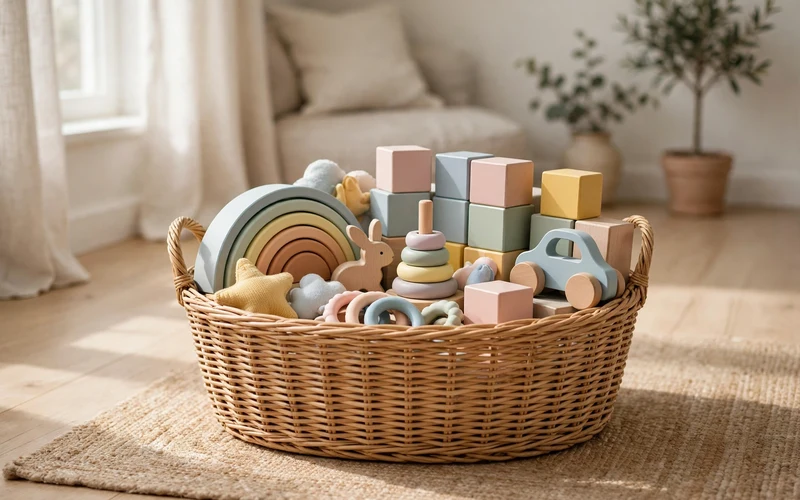
Toys end up in every room, and picking them up is one of the simplest chores for young kids. Give your child a basket or bin and ask them to collect toys from the floor. This small task teaches them that cleaning up is part of play, not a punishment.
Make it fun by turning tidying into a race or a song. Set a timer for five minutes and cheer them on as they fill the basket. Praise the effort first, and pay only when the toys are back where they belong.
2. Water the Plants
Best ages: 4–8 · Example pay: $0.50 per session
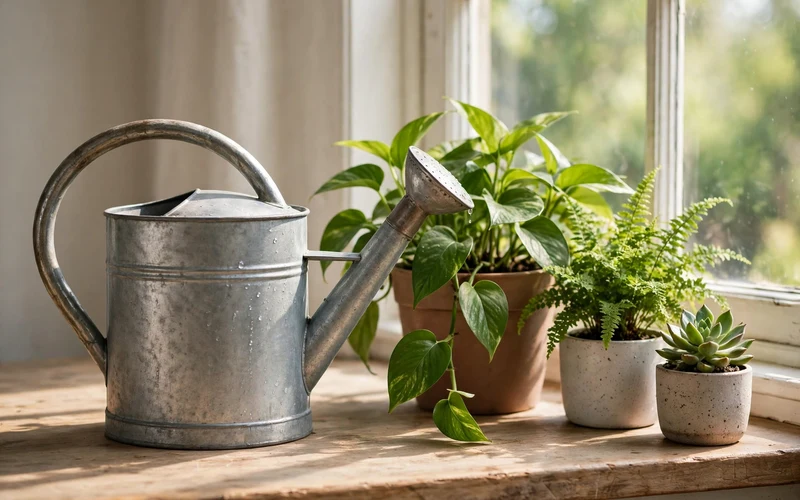
Watering plants is a gentle chore that young kids love because they get to care for something alive. Give your child a small watering can and show them how much water each plant needs. This teaches patience, care, and the habit of looking after living things.
Mark the watering days on the family calendar each week so your child knows when it is their turn. Check the soil together at first so they learn not to overwater. Soon they will remind you when the plants look thirsty.
3. Take Out the Trash
Best ages: 8–12 · Example pay: $1 per bag
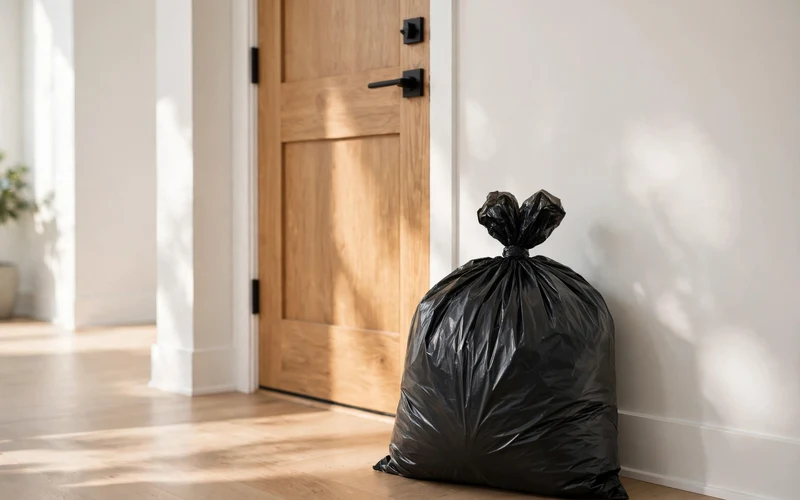
Taking out the trash is a classic chore that keeps the home clean and fresh. Younger kids can start by gathering small trash from each room into one bag. Older kids can tie the bag and carry it to the bin outside.
Teach them to wash their hands after handling trash and to replace the bag liner with a fresh one. A weekly trash routine works well for busy families because it is easy to remember. This chore builds a strong sense of duty and pride.
4. Raking Leaves
Best ages: 7–12 · Example pay: $2 per session
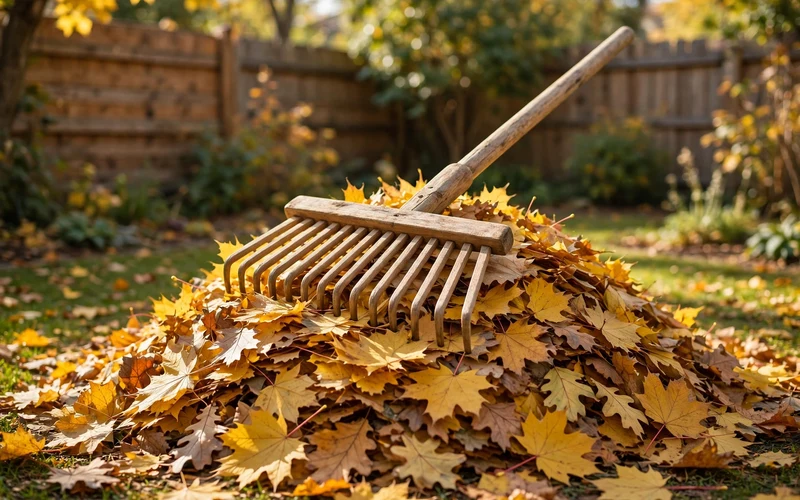
Raking leaves is a seasonal outdoor chore that kids often enjoy once they start. Give your child a light rake that fits their size and show them how to pull leaves into a pile. Working outside gives them fresh air, exercise, and a clear result they can see.
Let them jump in the leaf pile when the work is done, as a fun reward. Remind them to wear gloves and closed shoes to stay safe. A yard full of leaves can keep them busy for a good hour.
5. Dusting
Best ages: 5–9 · Example pay: $0.50 per session
Dusting is a safe, simple chore that even young kids can do well. Hand your child a soft cloth or duster and show them how to wipe shelves, tables, and picture frames. They will enjoy seeing the dust disappear and the surface shine again.
Start with low shelves and tables they can reach safely without climbing. Keep glass cleaner and sprays out of reach, and use only a dry or damp cloth for dusting. Dusting teaches attention to detail in a gentle way every week.
6. Clean the Bathroom
Best ages: 10–14 · Example pay: $2 per session
Cleaning the bathroom is a bigger chore that suits older kids who can handle it well. They can wipe the sink, clean the mirror, and put fresh towels in place. This chore teaches them that shared spaces need regular care from everyone.
Use mild, child-safe cleaners and show them exactly how to use each one safely. Check their work kindly and point out spots they missed without scolding them. A clean bathroom gives them real pride in their effort every single week.
7. Wash the Car
Best ages: 8–13 · Example pay: $3 per wash
Washing the car is a fun outdoor chore that feels more like play than work. Kids can scrub the wheels, rinse the body, and dry it with a soft towel. They love the soap, the water, and the shiny result at the end.
Show them how to wash gently and carefully so they do not scratch the paint. Give each child a sponge and a bucket to avoid arguments. A family car wash on a sunny day can become a happy weekend habit.
8. Vacuuming
Best ages: 7–12 · Example pay: $1 per room
Vacuuming is a chore many kids enjoy because they can see dirt vanish in seconds. Show your child how to push the vacuum slowly across the carpet and under the table. They will feel proud when the whole room looks fresh and clean.
Start with one small room first so the job does not feel too big. Teach them to move chairs and pick up small items first, so nothing gets sucked up by mistake. This chore builds focus, care, and real pride.
9. Doing the Dishes
Best ages: 8–13 · Example pay: $1 per meal
Doing the dishes teaches kids that a meal is not over until the kitchen is clean. Younger kids can dry plastic cups and plates with a towel while older kids wash with warm water and soap. It is a steady daily chore that builds real responsibility.
Set a safe, sturdy stool by the sink if they need extra height. Remind them to handle plates with care and to put everything away neatly when done. A clean sink each night makes the next morning easier for everyone.
10. Laundry
Best ages: 9–14 · Example pay: $1 per load
Laundry is a life skill every child should learn before they grow up. Kids can sort clothes by color, load the machine, and fold clean towels and shirts. Folding is a great starting point for younger kids who are not ready for the machine yet.
Teach them to check pockets before clothes go into the wash, so nothing valuable gets ruined. Show them how to measure soap so they use just enough for each load. Helping with laundry makes them more independent every single week.
11. Clean Their Room
Best ages: 5–12 · Example pay: $1 per session
Cleaning their own room teaches kids to take care of their personal space. They can make the bed, put clothes in the drawer, and clear the floor. A tidy room helps them find their things and feel calm when they play or study.
Break the job into small, simple steps so it does not feel too big for them. Make the bed first, then clear the floor, then put toys away neatly. Praise the finished room and let them enjoy their fresh, tidy space.
12. Clear the Table
Best ages: 4–10 · Example pay: $0.50 per meal
Clearing the table is one of the easiest chores for kids of almost any age. After a meal, they can carry their own plate and cup to the sink. This small habit teaches them that everyone helps after eating, not just the cook.
Use plastic plates for younger kids so nothing breaks if a plate slips from small hands. Show them how to scrape leftover food into the bin first. This quick chore takes only a few minutes but helps the whole family a lot.
13. Load and Unload the Dishwasher
Best ages: 7–12 · Example pay: $1 per load
Loading and unloading the dishwasher is a chore kids can learn step by step. They can place plates in the racks, add cups on top, and put clean dishes back in the cupboard. It teaches order, care, and how the kitchen stays organized.
Remind them to place sharp items with care and to always let an adult handle the knives. Show them where each item belongs so unloading becomes quick and easy every day. This daily chore saves parents a lot of time.
14. Help With Dinner
Best ages: 8–14 · Example pay: $2 per meal
Helping with dinner lets kids learn basic cooking skills while spending time with you. They can wash vegetables, stir a pot, or set the table while you cook. Cooking together builds confidence and teaches them where good food comes from.
Give them safe tasks only, like tearing lettuce, washing fruit, or measuring rice. Keep them away from hot stoves and sharp knives until they are older. A child who helps cook is more likely to try new foods with joy.
15. Help Putting Away Groceries
Best ages: 4–9 · Example pay: $0.50 per trip
Putting away groceries is a helpful chore that starts the moment you walk in the door. Kids can carry light bags inside and place items on the counter. Older kids can sort cold food into the fridge and dry goods into the pantry.
Turn it into a game by asking them to find where each item belongs in the kitchen. Talk about the food as you unpack it so they learn what goes where. This chore makes unpacking faster and more fun for everyone.
16. Help With Couponing and Finding Deals
Best ages: 11–15 · Example pay: $2 per week
Helping with coupons and deals is a smart chore for older kids who like numbers. They can look through store flyers, compare prices, and find coupons for items on the shopping list. This teaches them how to save money and shop with a plan.
Show them how to check the final price after a coupon is used at the store. Let them keep track of the total saved each week so they see their impact. This skill will help them manage money for life.
17. Picking Up Groceries
Best ages: 13–16 · Example pay: $3 per trip
Picking up groceries is a chore for older kids who are ready for more trust. They can go with a parent, follow the shopping list, and compare prices on the shelves. This gives them real practice with budgeting, planning, and making smart choices in a store.
Always go together on the first few trips so you can guide them step by step. Teach them to check dates on food and to stick to the list. This chore builds confidence and prepares them well for adult life.
How Much Should You Pay? Pay Table
Pay amounts below are family examples only. Every family is different, so adjust the amounts to fit your budget and your child’s age. Amounts vary by family and by how often the chore is done, so treat this table as a starting point, not a promise.
| Chore | Example Pay per Task | Best Ages |
|---|---|---|
| Pick Up Toys | $0.50 | 3–6 |
| Water the Plants | $0.50 | 4–8 |
| Take Out the Trash | $1 | 8–12 |
| Raking Leaves | $2 | 7–12 |
| Dusting | $0.50 | 5–9 |
| Clean the Bathroom | $2 | 10–14 |
| Wash the Car | $3 | 8–13 |
| Vacuuming | $1 | 7–12 |
| Doing the Dishes | $1 | 8–13 |
| Laundry | $1 | 9–14 |
| Clean Their Room | $1 | 5–12 |
| Clear the Table | $0.50 | 4–10 |
| Load and Unload the Dishwasher | $1 | 7–12 |
| Help With Dinner | $2 | 8–14 |
| Help Putting Away Groceries | $0.50 | 4–9 |
| Help With Couponing and Finding Deals | $2 | 11–15 |
| Picking Up Groceries | $3 | 13–16 |
When kids earn money, help them split it into saving and spending. A simple rule is to save half and spend half, so they enjoy a small treat while building savings. Learning to save money as students later becomes much easier when saving starts early at home.
How to Set Up a Chore Chart
A chore chart turns good intentions into a daily habit that kids can see and follow. Start by picking three or four chores that match your child’s age, then write them on a chart where everyone can see it. Add a box for each day so your child can tick off every finished chore.
Keep the chart simple and celebrate progress each week. A small reward at the end of the week works better than a big prize once a month. If you are a parent managing the home full time, you may also like side hustles for moms that fit around family life.
Review the chart together every Sunday and swap chores that feel too easy or too hard. Let your child pick one chore they enjoy, so they feel ownership over the plan. A chart that grows with your child stays useful for years.
Safety Notes for Parents
- Always supervise young kids around water, cleaning products, and kitchen tools.
- Keep sharp knives, hot stoves, and strong cleaners out of reach for younger kids.
- Give older kids safe tasks first and add harder ones only when they are ready.
- Make sure kids wear gloves and closed shoes for outdoor chores like raking leaves.
- Teach kids to wash their hands after handling trash, dirt, or cleaning products.
- Never send a young child on an errand alone; go together until they are old enough.
Mistakes to Avoid
- Paying for every small task, so kids expect money for basic duties like making their bed.
- Setting chores that are too hard for your child’s age, which leads to frustration and tears.
- Changing the pay amount without warning, which breaks trust and kills motivation fast.
- Doing the chore for them when they struggle, instead of guiding them to finish it.
- Forgetting to praise effort, so kids feel their hard work goes unnoticed at home.
- Giving too many chores at once, which overwhelms kids and makes them give up.
- Using chores as a punishment, which makes kids hate helping around the house.
- Skipping the chore chart, so nobody remembers who was supposed to do what.
Frequently Asked Questions
How much should I pay my child per chore?
Start small, with $0.50 to $3 per chore based on age and effort. The table in this guide shows family examples only, so adjust the amounts to fit your budget. What matters most is that the pay feels fair and stays the same each week.
What age should kids start doing chores for money?
Kids can start simple chores like picking up toys around age three. Paid chores work best from age five, when kids understand that effort earns a reward. Match each chore to your child’s age and raise the difficulty slowly as they grow.
Should I pay for all chores or only extra ones?
Pay only for extra chores, not for basic duties like making the bed or clearing their own plate. Basic duties teach shared responsibility, while extra chores teach the link between work and earnings. This balance keeps kids helpful without expecting pay for everything.
How do I keep my child motivated to do chores?
Use a chore chart, praise their effort, and keep the rewards steady each week. Let them choose one chore they enjoy and save their earnings for something they want. When kids see progress and feel proud, they stay motivated far longer.
Can chores really teach kids about money?
Yes, chores give kids hands-on practice with earning, saving, and spending. When they save for a toy with their own earnings, they learn patience and value. These early lessons shape smart money habits that last into adult life.
What if my child refuses to do their chores?
Stay calm and remind them of the chart and the reward they agreed on. If they keep refusing, pause the pay for that week instead of arguing. A short break often works better than a lecture, and most kids return to the routine.
Are there chores that older kids can do for more pay?
Yes, older kids can take on bigger jobs like washing the car, cleaning the bathroom, or helping with coupons. These tasks take more time and skill, so a higher example pay is fair. As they grow, they may also enjoy side hustles for students that build on what chores taught them.
How often should kids do paid chores?
Two to four paid chores per week is a good pace for most kids. Daily chores like clearing the table can stay unpaid, while bigger weekly jobs earn pay. Keep the schedule light so chores feel rewarding, not like a second job.
Conclusion
Easy chores for kids to earn money give your child a simple start with work, money, and responsibility. Pick three chores that fit your child’s age, set up a chart, and agree on fair example pay together. Small steps each week build habits that last for years.
Start today with one easy chore and celebrate every finished task with praise. When kids feel proud of their work, they want to help again tomorrow. That pride is worth more than any payment, and it grows with every chore they complete.




- Be Respectful
- Stay Relevant
- Stay Positive
- True Feedback
- Encourage Discussion
- Avoid Spamming
- No Fake News
- Don't Copy-Paste
- No Personal Attacks
- Be Respectful
- Stay Relevant
- Stay Positive
- True Feedback
- Encourage Discussion
- Avoid Spamming
- No Fake News
- Don't Copy-Paste
- No Personal Attacks
