How to Start a Crafting Blog: A Beginner’s Guide to Sharing DIY Ideas and Earning Money
Published: 11 Oct 2026
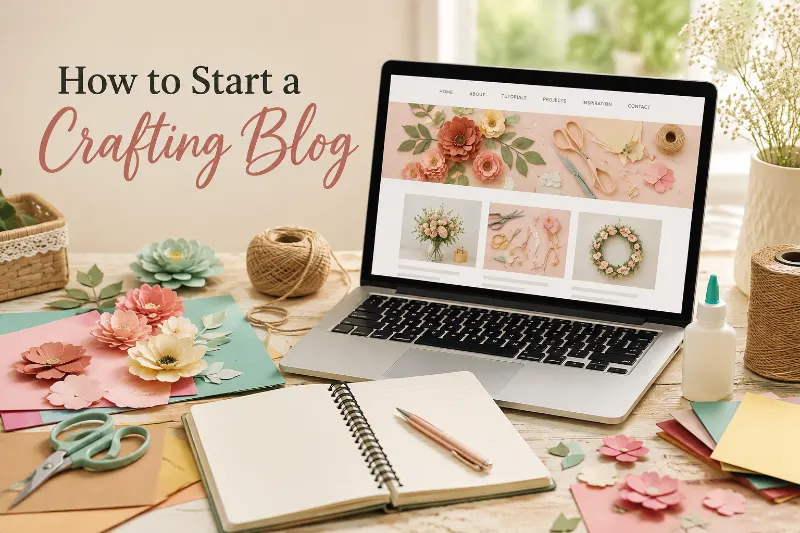
Do you love making handmade gifts, home decor, paper crafts, or simple DIY projects? A crafting blog can help you share your ideas with others and build an online business around your hobby. You do not need to be a professional artist to get started. You need a clear plan, useful content, and a willingness to learn.
Have you ever thought about turning your favorite craft projects into a blog that people can find on Pinterest and Google? This guide will show you how to start a crafting blog, publish helpful tutorials, attract readers, and explore ways to make money.
To start a crafting blog, choose a specific craft niche, select a memorable blog name, buy a domain, and set up a blogging platform. Then publish clear DIY tutorials, create attractive Pinterest images, learn basic SEO, and build income through suitable monetization methods.
1. Choose a Craft Niche That Fits Your Interests
Your craft niche is the main topic of your blog. It helps readers understand what you make and what they can learn from you. A focused niche also makes it easier to plan related articles and attract people who enjoy the same types of projects.
Start with crafts you enjoy making and can explain clearly. You can expand into related topics as your blog grows.
- Paper crafts: Share paper flowers, greeting cards, origami, and paper decorations.
- DIY home decor: Write about wall art, seasonal decorations, and handmade ornaments.
- Recycled crafts: Show readers how to reuse jars, cardboard, fabric scraps, and other household items.
- Seasonal crafts: Publish Halloween projects, Christmas decorations, Easter crafts, and other holiday ideas.
Research Your Craft Niche Before You Decide
Check Pinterest and Google to see what people search for in your chosen niche. Look for repeated questions, popular project ideas, and topics that lack clear instructions. Choose a subject that offers enough ideas for many helpful articles.
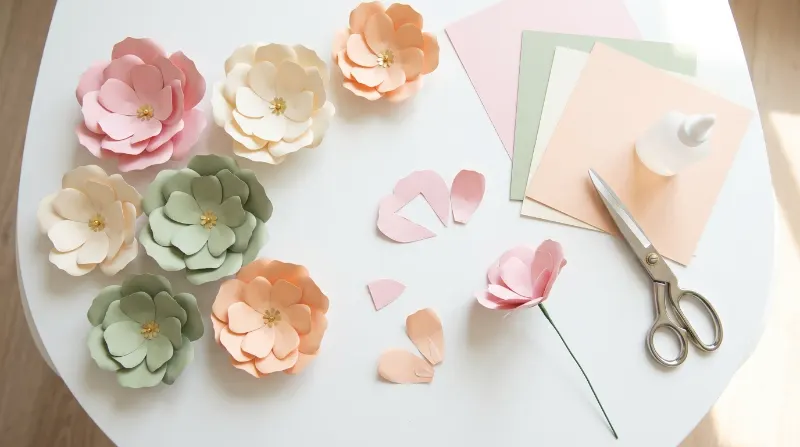
Example: A beginner who enjoys making paper flowers could build a blog around paper crafts, handmade gifts, and simple decorations.
2. Find a Memorable Name for Your Craft Blog
Your blog name gives readers their first idea of what your website offers. Choose a name that feels friendly, is easy to spell, and fits your craft niche. A clear name can also help people remember your website when they discover your projects on Pinterest.
Before you settle on a name, search online to check whether another brand already uses it.
- Keep the name short and easy to pronounce.
- Choose words that match your craft style or audience.
- Check whether a suitable domain name is available.
- Avoid names that limit you to one tiny topic if you plan to expand.
Check Your Domain Name
A domain name is your website’s address, such as yourcraftblog.com. Try to find a matching domain that readers can type without mistakes. Check existing businesses and trademarks before using a name to reduce the risk of future problems.
Example: A blog about simple handmade home decorations could use a name that reflects creativity, DIY projects, or cozy living.
3. Set Up Your Blog on a Suitable Platform
Your blogging platform lets you create pages, publish articles, add images, and manage your website. Beginners should compare setup costs, design options, SEO features, and control before making a choice. Think about your long-term goals instead of choosing a platform based on price alone.
For a blog you want to grow and monetize, WordPress.org is one option worth considering.
- WordPress.org: Offers strong control over your website, themes, plugins, and monetization. You arrange your own hosting.
- Hosted blogging platforms: Often offer simpler setup, but features and control depend on the service and plan.
- Choose a domain and hosting: If you use self-hosted WordPress, register a domain and select a suitable hosting provider.
- Set up basic pages: Create your homepage, blog page, contact page, and privacy policy.
Make Your Website Easy to Use
Readers should find your tutorials without struggling with confusing menus. Use clear navigation, readable text, and a layout that works on phones. Craft readers often follow instructions while working, so keep project steps easy to scan.
Example: Someone making a paper wreath should be able to open your tutorial on a phone and quickly find the materials list.
4. Choose a Clean Theme for Your Craft Blog
A theme controls your website’s layout, colors, fonts, and general appearance. Choose a clean, mobile-friendly design that lets your craft photos stand out. You do not need an expensive theme at the start. Clear navigation and readable instructions matter more than fancy effects.
Look for a design that supports your content rather than distracting readers from it.
- Choose a responsive theme that adjusts to different screen sizes.
- Use readable fonts and a small set of matching colors.
- Keep menus simple and organize articles into clear categories.
- Compress images so pages load faster.
Make Craft Photos the Main Attraction
Craft blogs rely on images to show readers what they can create. Use bright, clear photos with simple backgrounds. Show the finished project and include useful process photos when they help readers follow each step.
Example: A tutorial about painted mason jars could show the supplies, painting process, and finished jars in natural daylight.
5. Create the Essential Pages for Your Website
Useful website pages help readers understand who you are and how your blog works. They also provide important information about your business. Create these pages before promoting your first articles so visitors can learn about your site and contact you when needed.
Start with the pages that serve readers and support your website’s basic needs.
- About page: Explain what you make, who your blog helps, and what readers can expect.
- Contact page: Give readers a simple way to send questions or business inquiries.
- Privacy policy: Explain how your site handles personal information and cookies where relevant.
- Disclosure page: Explain affiliate links or sponsored content when you use them, following applicable rules.
Tell Readers What Makes Your Blog Useful
Your About page should sound like a real person wrote it. Share your interest in crafting and the type of help you want to offer. Be honest about your experience, whether you are a beginner or a skilled maker.
Example: You might explain that your blog helps busy parents create low-cost decorations using simple supplies they already have at home.
6. Plan Craft Blog Posts That Readers Want
A successful craft blog answers real questions and gives readers projects they can complete. Before writing, think about the person who will use your tutorial. Consider their skill level, available time, budget, and the materials they can easily find.
Build a list of ideas before you publish. This makes your content plan easier to manage.
- Beginner DIY projects that use common household materials.
- Seasonal crafts for holidays, parties, and family activities.
- Handmade gifts for birthdays, weddings, and special occasions.
- Upcycling projects that turn old items into useful decorations.
Use Pinterest to Find Craft Blog Ideas
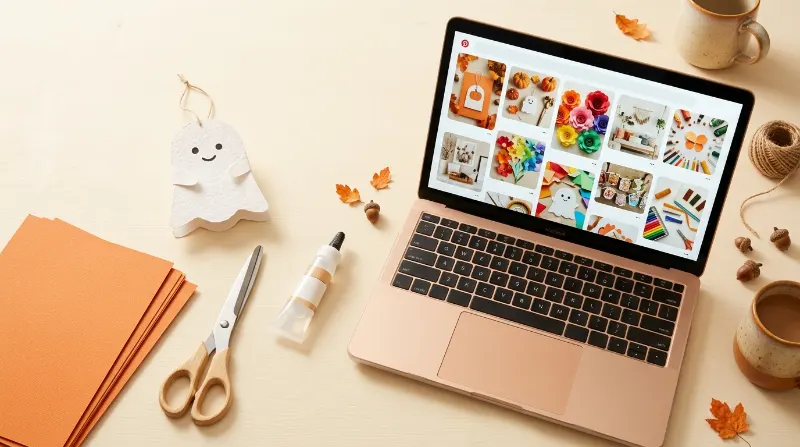
Pinterest is a visual discovery platform where people search for ideas and save Pins for later. Search your main craft topic and review related suggestions. Use these ideas to understand reader interests, then create original projects and tutorials.
Example: If you notice interest in toilet paper roll crafts, you could write separate tutorials for Halloween ghosts, holiday ornaments, and children’s animals.
Turn One Craft Into Several Helpful Articles
One project can inspire more than one useful post. Cover related questions without repeating the same tutorial. You could explain material choices, offer a beginner version, or show how to adapt the project for another season.
For example, a basic paper flower tutorial could lead to a bouquet guide, gift-wrapping ideas, and a paper flower wall decoration.
7. Write DIY Tutorials That Are Easy to Follow
Your tutorials should help readers complete a project without guessing what to do next. Explain each step in order and show the result with clear photographs. Include realistic time estimates and skill levels when you can support them with your own project work.
A helpful tutorial should answer the reader’s questions before they need to search elsewhere.
- List all materials and tools near the beginning.
- Give clear instructions in the correct order.
- Add photos where a step might confuse beginners.
- Share useful tips for common mistakes and safe handling.
Use a Simple Structure for Every Tutorial
Start with a short introduction, then list the supplies. Explain the process in numbered steps and include photos when they add value. Finish with care tips, variations, or answers to common questions.
Example: For a homemade paper lantern, show how to cut the paper, fold it, attach the handle, and display the finished lantern safely.
Add Your Own Experience and Practical Tips
Personal details can make a tutorial more helpful. Share what you learned while making the project, which materials worked well, or what you would change next time. Only describe experiences that actually happened to you.
My Personal Experience
Starting a craft blog may look easy, but my experience taught me that the beginning can be challenging. When I first started my blog, I struggled with setting up my website, planning content, and finding ways to attract readers. At times, I felt confused about what to do next. However, I kept learning, solving problems, and improving my skills. With time, things became easier, and I found my rhythm. If you want to start a crafting blog, remember that you do not need to know everything from day one. Start small, stay consistent, and learn as you go.
8. Use SEO to Help People Find Your Craft Blog
Search engine optimization (SEO) means improving your website so search engines can understand its content and show it to relevant readers. Good SEO helps people find your tutorials when they search for craft ideas, supplies, or step-by-step instructions.
Focus on answering the searcher’s question clearly instead of repeating a keyword many times.
- Use the main keyword naturally in the title, introduction, and a relevant heading.
- Write descriptive page titles and meta descriptions.
- Add helpful headings that break long tutorials into clear steps.
- Use descriptive image alt text to explain what each image shows.
Find Keywords for Craft Tutorials
Keywords are the words people type into search engines. Choose phrases that match the exact project and the reader’s goal. Specific searches often help you create more focused tutorials.
Example: Instead of targeting only “paper crafts,” a post could target “easy paper flowers for beginners” if that phrase matches the tutorial.
Improve Your Images for Search
Give image files descriptive names and write accurate alt text. Alt text describes an image for people who use screen readers and can help search engines understand the image. Keep it natural and relevant to the actual photo.
For example, easy-paper-flower-tutorial.jpg is more descriptive than IMG1234.jpg. An appropriate alt text might be “Pink paper flowers arranged in a handmade bouquet.”
9. Bring Visitors to Your Blog With Pinterest
Pinterest can help a craft blog reach people who are planning projects, decorating their homes, or looking for handmade gift ideas. Create original Pins that show the finished craft clearly and use titles that explain what readers will learn.
Connect each Pin to the relevant article so readers can move from inspiration to full instructions.
- Create vertical Pins with clear, readable text.
- Use bright, accurate photos of the craft project.
- Write descriptive Pin titles and descriptions using natural keywords.
- Link every Pin to the matching article, not an unrelated page.
Design Pins That Match Your Articles
A Pinterest Pin should show readers why the project is worth opening. Use a clear photo, a short headline, and a simple layout. Make sure the headline accurately describes the tutorial and remains readable on a phone.
Example: A Pin for a paper ghost craft could show the finished ghost and use a title such as “Easy Paper Ghost Craft for Halloween.”
Share Content Consistently
Create a manageable publishing routine instead of trying to make dozens of Pins in one day. You can design several original images for useful articles and test different layouts over time. Review Pinterest analytics to learn which Pins bring people to your site.
10. Explore Ways to Make Money From Your Craft Blog
A craft blog may earn money through several methods, but income is not guaranteed. Your results depend on factors such as useful content, reader demand, traffic, costs, and the monetization options available to you.
Build reader trust first, then choose income methods that fit your audience and your skills.
- Display ads: Earn revenue when ads appear on your site under a network’s terms.
- Affiliate marketing: Earn a commission when a reader buys through a qualifying link.
- Digital products: Sell printable templates, patterns, craft planners, or project guides.
- Sponsored content: Work with suitable brands to create paid content when you have an audience and meet their requirements.
Recommend Craft Supplies Through Affiliate Links
Affiliate marketing lets you earn a commission from qualifying purchases made through special links. You can recommend tools and supplies that genuinely fit your tutorials. Always explain your affiliate relationship clearly and follow the relevant program’s rules.
Example: A tutorial about handmade greeting cards might link to the paper cutter or craft glue used in the project, if those products are suitable and the links are disclosed.
Create Digital Products for Your Readers
Digital products can help readers complete projects with less planning. You might sell printable patterns, gift tags, templates, or step-by-step craft guides. Start with a product that solves a clear problem and matches the topics people already visit your blog to learn about.
Keep Track of Your Blog’s Progress
Review your traffic, popular posts, expenses, and income regularly. Use the results to decide which topics deserve more attention. Do not judge your blog only by its first few weeks; useful content and search visibility can take time to develop.
Frequently Asked Questions
1. Do I Need to Be a Professional Crafter to Start a Craft Blog?
No. You can start with projects you know how to make and explain. Choose beginner-friendly crafts, take clear photos, and give honest instructions. Build your skills as you publish more tutorials.
2. How Much Does It Cost to Start a Crafting Blog?
The cost depends on your platform, domain, hosting, theme, and craft supplies. A self-hosted WordPress blog usually needs a domain and hosting plan. Check current prices before buying, and start with tools that fit your budget.
3. Can I Make Money From a Craft Blog?
Yes, a craft blog can earn money through display ads, affiliate links, digital products, and sponsored content. However, earnings depend on traffic, audience needs, costs, and the options available to your website. There is no guaranteed income.
4. Is Pinterest Good for Craft Bloggers?
Pinterest can be useful because people often use it to discover DIY projects, home decor, seasonal crafts, and handmade gifts. Create clear Pins that lead to detailed tutorials. Track your results and focus on content that serves your readers.
5. How Often Should I Publish New Craft Blog Posts?
Choose a schedule you can maintain while keeping your tutorials useful. One well-prepared article each week may be a more practical starting point than publishing many rushed posts. Focus on clear instructions, original photos, and topics your audience wants.
Conclusion
Starting a crafting blog begins with a clear niche, a useful website, and projects that help readers. Publish original tutorials, use Pinterest to share your ideas, and learn SEO as you grow. Explore monetization when you have useful content and understand your audience.
Your next step: Choose one craft topic and plan your first tutorial today.
What craft would you most enjoy sharing with readers on your blog?



- Be Respectful
- Stay Relevant
- Stay Positive
- True Feedback
- Encourage Discussion
- Avoid Spamming
- No Fake News
- Don't Copy-Paste
- No Personal Attacks
- Be Respectful
- Stay Relevant
- Stay Positive
- True Feedback
- Encourage Discussion
- Avoid Spamming
- No Fake News
- Don't Copy-Paste
- No Personal Attacks
