Work From Home Jobs for Beginners in 2026
Published: 5 Nov 2026
Working from home sounds simple: open your laptop, and you are at work. In practice, it takes planning. You need a job that fits a beginner, a setup that helps you focus, and a careful way of applying so you do not waste time on listings that were never real.
This guide is for complete beginners. You do not need a technology degree, years of office experience, or expensive equipment. You do need patience, clear communication, and one useful skill learned properly. The jobs below are realistic starting points, not shortcuts to instant income. Some people find work quickly, others take weeks or months, and focused applications often make the difference.

What Counts as a Work From Home Job?
A work from home job is any job you can do from home with a computer and an internet connection, without going to an office every day. Some roles are fully remote, meaning you always work from home. Others are hybrid, meaning you work from home on some days and in an office on others. For beginners, fully remote roles are usually easier to understand.
Some people work as employees, with fixed hours and a regular schedule. Others work as freelancers, taking projects for different clients and managing their own time. Freelancing offers flexibility, but you must find your own work and handle quiet periods. If you like structure, an employee role may suit you better. If you like variety, freelancing may feel more natural. A real job also has a clear description, a named employer or client, defined duties, and a proper payment method. Short tasks for tiny amounts rarely build skills or a stable income.
Beginner-Friendly Work From Home Jobs
1. Virtual Assistant
A virtual assistant helps a business owner or small team with everyday tasks, such as replying to emails, scheduling appointments, organising files, and preparing simple documents. It suits beginners because it builds on organisation, clear writing, and reliability. Practise email, calendars, spreadsheets, and shared documents. Following instructions carefully matters more than knowing every tool in advance.
2. Customer Support Representative
Customer support representatives help customers by chat, email, or phone, answering questions and solving common problems. Many companies hire beginners and provide training on their own systems. This job suits people who stay calm under pressure, write clearly, and listen carefully. You need a quiet place to work, especially for calls, and a stable internet connection.
3. Data Entry Specialist
Data entry means moving information accurately from one place to another, for example from forms into a spreadsheet. The idea is simple, but accuracy is the whole job, because a small mistake can cause a bigger problem later. If you enjoy tidy, focused work, practise accurate typing, learn basic spreadsheet formulas, and double-check your work before submitting it.
4. Transcriptionist
A transcriptionist listens to audio and types out what is said, for interviews, meetings, podcasts, and educational recordings. You need good listening skills, fast and accurate typing, and strong punctuation. Beginners often start with shorter, clearer recordings. Headphones help, as do playback shortcuts for pausing and rewinding without losing your place.
5. Online Tutor
If you are good at a school subject, a language, or a practical skill, online tutoring can be a natural fit. Tutors usually work one-to-one or with small groups over video calls, helping students understand a topic or prepare for an exam. You need to explain one subject clearly and patiently, prepare examples in advance, and check that your student understood.
6. Social Media Assistant
A social media assistant helps a business stay active online by scheduling posts, replying to comments, and gathering content ideas. It is not the same as being popular on social media yourself. The job is about helping a brand communicate clearly and consistently. Learn the basics of each platform, write in the brand’s voice, and follow a content plan.
7. Content Writer
Content writers create articles, guides, and product descriptions for websites and blogs. Beginners often start with topics they already understand, then take on more research-heavy work. Good web writing is clear, honest, and useful. Avoid copying others, avoid claims you cannot support, and check your facts. Basic SEO also helps, because it shows how readers find articles.
8. Freelance Services for Beginners
Freelancing is a way of working, not a single job. It covers beginner services such as proofreading, basic graphic design, resume formatting, and translation if you are fluent in more than one language. Start with one service and describe it clearly: who it is for, what you will deliver, and how long it will take. A few strong samples beat a long list of vague services.

Comparing Beginner Remote Roles
This table is a simple overview, not a ranking. The best choice depends on your strengths and the work you enjoy daily.
| Job | Main Skills Needed | Good Starting Point If You |
|---|---|---|
| Virtual Assistant | Organisation, email, calendars | Like tidy, varied admin work |
| Customer Support | Clear writing, patience, listening | Stay calm and helpful with people |
| Data Entry | Accuracy, spreadsheets, attention to detail | Enjoy focused, careful work |
| Transcription | Listening, typing, punctuation | Can concentrate on audio for long periods |
| Online Tutor | Explaining clearly, subject knowledge | Enjoy teaching one subject well |
| Social Media Assistant | Writing captions, scheduling, consistency | Follow a plan and enjoy online content |
| Content Writer | Clear writing, research, honesty | Enjoy explaining ideas in plain language |
| Freelance Services | One clear service, communication, delivery | Want flexibility and can manage your own time |
Read real job descriptions for the roles that interest you, note the skills they ask for repeatedly, and focus your learning there.
Skills That Help in Almost Every Remote Job
Written communication comes first. Most remote work happens through messages, emails, and documents, so clear writing shows your reliability. Use short sentences, answer the actual question, and proofread before sending. Time management comes next. Decide your working hours, list your three most important tasks, and take proper breaks. You also need basic technical confidence: email, video calls, shared documents, and clear file names. Learn to share your screen, mute and unmute, and back up your work. Finally, ask good questions early, explaining what you tried and where you got stuck.
Setting Up Your Home Workspace
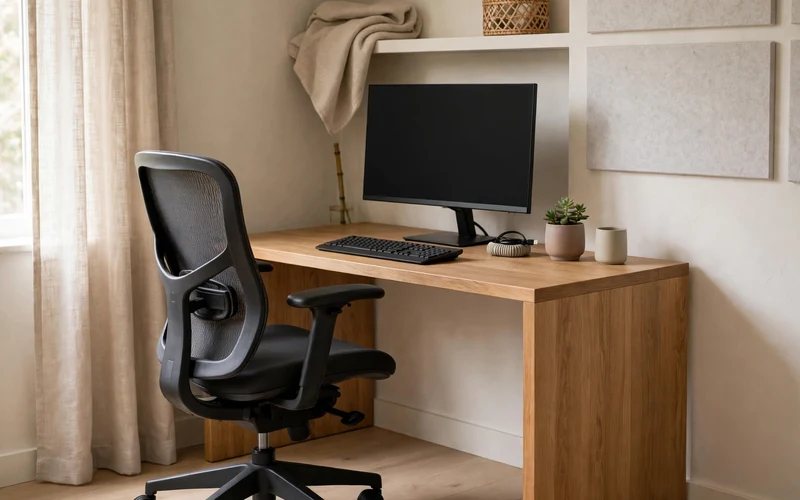
You do not need a perfect office, but you need a space that helps you focus. Choose a quiet corner, even a small desk in one room, and keep it for work during working hours. Start with a comfortable chair, a table at a sensible height, good lighting, and a reliable internet connection. For calls, test your microphone and background noise before your first shift. Headphones help you concentrate and sound clearer. Tidy your desk at the end of each day so the next morning starts easily.
How to Apply for Work From Home Jobs
A good application is specific, not generic. Read the job description, find what the employer actually needs, and show how you meet it with real examples, even from study, volunteering, or personal projects. Keep your resume short and easy to scan, with clear headings and honest skills. A one-page resume is often enough for a beginner role. For a cover note, say why the role interests you, what skill you bring, and why you would be reliable.
Practise interview answers about working remotely, managing time, and handling difficult customers or tight deadlines. Test your video and audio beforehand and join a few minutes early. After applying, record the company, role, date, and next step, so you can follow up politely and avoid applying twice for the same role.
Warning: Avoid Work From Home Scams
Beginners are often targeted by scams, so this warning matters. A genuine employer will never ask you to pay upfront fees for a job. Never pay for training, a starter kit, software, background checks, or equipment as a condition of being hired. If a listing asks for payment before you start, walk away.
Watch for other warning signs: vague descriptions, promises of unusually easy work, pressure to decide immediately, interviews only through informal chat, and requests for bank details or identity documents before a proper hiring process. Research the company independently, check its official website and contact details, and never share sensitive information until you are confident the employer is genuine. Missing one opportunity is far better than losing money or personal information.
Routine, Mistakes, and a 30-Day Starter Plan
Start each day at a consistent time, review your tasks before opening social media, and take proper breaks, including lunch away from your screen. At day’s end, note what you finished and what needs attention tomorrow. This helps you switch off when home is also your workplace.
Avoid applying for every job you see. One focused application beats ten rushed ones. Do not wait until you feel fully ready either; apply when you meet most requirements and can show willingness to learn. Reliability also stands out: proofread, reply on time, and follow instructions exactly.
For a starter plan, spend week one choosing one job type and studying its job descriptions. In week two, set up your workspace, prepare your resume, and create two or three samples. In week three, apply in a focused way and record every application. In week four, review replies, interview questions, and skills to improve, then adjust and continue.

Frequently Asked Questions
1. Do I need experience to get a work from home job?
Not always. Many beginner roles provide training, especially customer support and data entry. You need a relevant basic skill, clear communication, and reliable working habits. Projects, volunteering, and practice samples can show readiness without prior remote experience.
2. What equipment do I need to work from home?
Usually a computer or laptop, a stable internet connection, and a quiet place to work. Some roles also need headphones, a webcam, or a microphone. Check each job description, because requirements vary. Be suspicious of any employer asking you to pay for equipment upfront.
3. How do I know if a work from home job is real?
Look for a clear description, a verifiable company, and a professional hiring process. Be cautious with vague roles, unrealistic promises, or any fee. Research the company independently and walk away if you feel pressured to pay or decide quickly.
4. Is freelancing better than a remote employee job?
It depends on you. Employee jobs usually offer fixed hours and a predictable routine. Freelancing offers flexibility and variety, but you must find clients and manage quiet periods. Beginners who like structure often start employed; others may prefer freelancing. You can move between them later.
5. How long does it take to find a work from home job?
There is no fixed timeline, and anyone guaranteeing a quick result should be treated with caution. Some beginners hear back within weeks, others need longer, especially while learning a new skill. Improve your applications and apply consistently rather than counting days.
6. Can I work from home with no degree?
Yes, for many beginner roles practical skills matter more than a degree. Employers often care whether you write clearly, follow instructions, use basic tools, and work reliably. Focus on the skills in real job descriptions for the roles you want.
7. What is the best work from home job for a complete beginner?
It depends on your strengths. Organised people may suit virtual assistance, patient people may suit customer support, and keen writers may suit content writing. Choose where you can already show a relevant skill, rather than only what sounds easiest.
8. How can I stay productive while working from home?
Set working hours, plan your main tasks each morning, and take proper breaks. Keep your workspace tidy, limit distractions, and close the day by noting what you finished. Short, timed work blocks with breaks can also help focus.
Final Thoughts
Work from home jobs for beginners in 2026 reward preparation more than shortcuts. Choose one role that fits your strengths, build its basic skills, set up a workspace that helps you focus, and apply with honest, specific applications. Stay alert for scams, especially any upfront payment request. Start small, stay consistent, and give yourself time to learn.




- Be Respectful
- Stay Relevant
- Stay Positive
- True Feedback
- Encourage Discussion
- Avoid Spamming
- No Fake News
- Don't Copy-Paste
- No Personal Attacks
- Be Respectful
- Stay Relevant
- Stay Positive
- True Feedback
- Encourage Discussion
- Avoid Spamming
- No Fake News
- Don't Copy-Paste
- No Personal Attacks
