How to Start a Faceless YouTube Channel in 2026
Published: 5 Nov 2026
Introduction
You do not need to show your face to start a YouTube channel. A faceless channel is one where the creator stays off camera and the video does the talking. Viewers see screen recordings, animations, voiceover with slides, or demonstrations filmed so the creator stays out of frame.
This format suits beginners for practical reasons. Some people feel shy on camera, others want privacy, and some simply prefer writing, researching, and editing over performing. It can also make a steady schedule easier, because you do not need to look camera-ready every time you record. Faceless does not mean effortless, however. Viewers stay because a video answers a question or teaches something clearly, not just because no face is shown. Treat it as a creative project with a clear audience and a realistic rhythm, and it can be a rewarding way to build video skills and an audience over time.
What a Faceless YouTube Channel Really Is
A faceless channel is defined by what viewers see, not by one single style. Some channels use only voiceover and slides. Others use screen recordings, animated explainers, relaxing music with visuals, or tutorials filmed from above a desk. What they share is simple: the creator’s face is not the focus.
Without a presenter, structure must work harder: the opening should make the topic clear within seconds, visuals should match your words, and pacing should stay steady. Decide early what kind of channel you want, since teaching needs accuracy, entertainment needs storytelling, and relaxing content needs consistent mood and sound. Above all, use your own script, narration, and visuals you created or have permission to use.
Choose a Niche You Can Sustain for Months
Your niche is the topic your channel will be known for. Beginners often choose something too broad, such as “technology” or “money,” and then struggle to decide what to make next. A narrower focus makes planning easier and helps viewers know what to expect. Instead of “technology,” try beginner phone tips. Instead of “cooking,” try five-ingredient weeknight meals.
Ask three questions first. Can you think of at least twenty video ideas in this niche? Can you research and explain them accurately? Can you make them with the tools and space you already have? Also picture one specific viewer, such as a busy parent. Answering one person’s question properly makes scripts clearer. No niche guarantees income, so test a topic with about ten videos, then review what viewers actually watch.

Set Up Simple Equipment That Fits Your Style
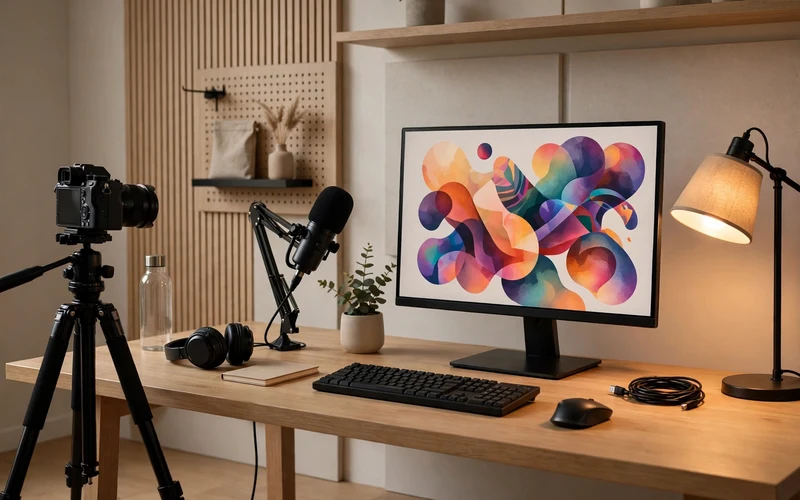
You do not need a professional studio to start. Many beginners begin with a phone, a quiet room, and free editing software, then upgrade only when a clear limitation appears. A screen-recording channel mainly needs a decent computer, a clear microphone, and recording software. A voiceover channel needs a quiet space and a microphone that captures clean speech. A desk channel needs a stable camera mount and even lighting.
Sound matters more than beginners expect: viewers often forgive a simple visual, but quickly leave a video with echo or muffled narration. Record a short test and listen with headphones first. Closing a window, recording at a quieter time, or moving closer to the microphone can help without spending much. Even, clean lighting also matters, and daylight or a single desk lamp is a good start.
The table below gives a simple starter setup for a desk-based faceless channel. Prices are illustrative only, shown to help beginners think about budgeting, and actual prices vary by brand, store, and location.
| Item | What it is for | Illustrative price only |
|---|---|---|
| Smartphone or basic camera | Recording desk demonstrations or visuals | $0 if you already own a phone, or $150 to $400 for a basic camera |
| USB microphone | Clear narration without room echo | $30 to $80 |
| Desk lamp or ring light | Even lighting for desk shots | $20 to $50 |
| Headphones | Checking sound and editing accurately | $20 to $60 |
| Free editing software | Cutting, adding text, and exporting videos | $0 |
Upgrade one item at a time when you can name the exact problem it solves. A better microphone makes sense when audio is weak, and a tripod makes sense when desk shots shake.
Plan Videos Before You Record
Planning saves faceless creators the most time. For each video, write down the question it answers, the main points in order, and the ending. A simple structure works well: a clear opening that states the topic, three to five main points, and a short summary with one next step for the viewer.
Write a script or a detailed outline. A full script keeps narration steady, while bullet points suit a natural style if you practise once first. Read your draft aloud, because sentences that look fine on paper can sound long when spoken. Plan visuals alongside words too: for each section, note what viewers should see. This shot list reveals gaps early, and a realistic schedule helps as well. One good video per week is a strong start.
Record Without Showing Your Face
Screen recording is one of the most accessible faceless methods. You capture your computer or phone screen while explaining each step, which suits tutorials and software guides. Keep your screen tidy, close unrelated tabs, and move your cursor slowly so viewers can follow along.
Voiceover with slides is another strong option. Record narration first, then match visuals to your words, keeping slides to short phrases so viewers listen instead of reading a wall of text. Desk demonstrations filmed from above suit crafts and cooking: mount the camera securely, frame only the work surface, and check that no personal items appear in frame.
Whichever method you choose, record in short sections rather than one long take. Short clips are easier to re-record and edit, and less stressful when you make a mistake. Leave a brief pause at the start and end of each clip, and speak a little slower than feels natural. These small habits make editing smoother and narration sound calm and clear.
Edit for Clarity, Not for Flash
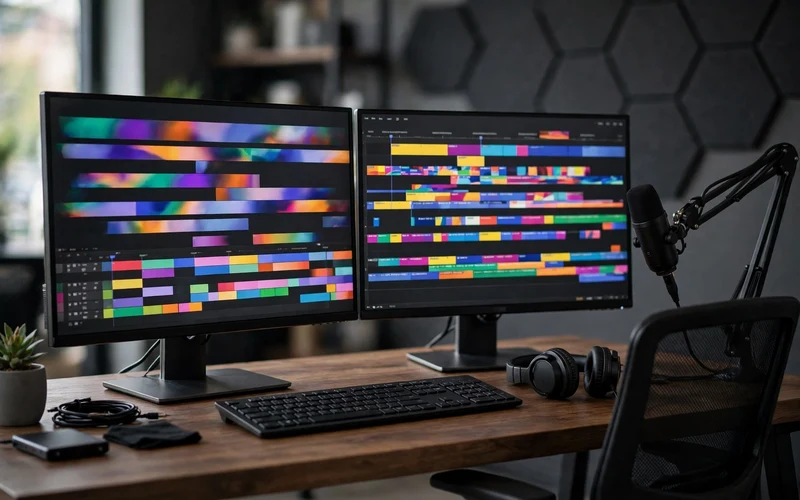
Editing is where a faceless video becomes watchable. Start by removing mistakes, long pauses, and repeated sentences. Then check the flow: does each section follow logically, and does the visual match the narration? If a viewer muted the video, would the visuals still give a rough sense of the topic? If not, add a simple cue, such as a heading or a short on-screen label.
Keep effects simple. Fast zooms and constant transitions distract and slow editing. Use clean cuts, a consistent text style, and subtle licensed background music quieter than narration, if you use music at all. In the first thirty seconds, state the topic plainly and avoid a long introduction. Before publishing, watch the video on a phone as well as a computer, since text can look too small on mobile.
Titles, Thumbnails, and Descriptions That Earn Trust
Your title and thumbnail should honestly reflect the video. A good title is specific and clear: “How to Plan a Week of Meals on a Budget” tells viewers more than “Amazing Tips You Must See.” Use words your audience would actually search for, but avoid exaggeration. If the video covers five ideas, do not promise ten, and if it is for beginners, say so, so the right viewers click and stay.
Thumbnails must work without a face: use one clear subject, a short readable phrase, and strong contrast, avoiding clutter and misleading images. Test yours at a small size before publishing, and keep a consistent layout so your channel is recognisable. Your description should summarise the video plainly, list main topics, and include links only where useful. Chapters help viewers jump to needed sections.
Grow Steadily and Learn From Your Analytics
Growth is usually gradual, and early videos may get very few views. That is normal. Instead of judging a channel by its first month, look for small signs of progress: are viewers watching longer, are comments becoming more specific, and are some topics clearly performing better than others? Those patterns are more useful than a single view count.
Use YouTube Studio analytics to learn: check retention to see where viewers leave, and whether that section was too slow, vague, or missing a visual. Then change one thing at a time, such as a clearer opening, and see whether later videos improve. Reply to genuine comments, ask viewers a question at the end of a video, and use answers to plan future topics.
Monetization, Copyright, and Realistic Expectations
Many beginners ask when a faceless channel can earn money. The honest answer is that it depends, and it usually takes time. YouTube’s Partner Program has eligibility requirements, including subscriber and watch-hour thresholds, and meeting them does not guarantee a particular income. Advertising income varies with audience, season, and topic. Other routes, such as affiliate links or sponsorships, need trust, a real audience, and clear disclosure where required.
Avoid income claims in early videos: do not promise earnings or imply guaranteed results. If you discuss money, be clear about what is an example and what is not a promise. For copyright, use only music, clips, and images you have the right to use, give credit where required, and be careful with long clips from others. When in doubt, create your own visual. Also check for personal details in backgrounds and use strong account security.
Common Mistakes Beginners Should Avoid
One common mistake is covering too many topics at once. A channel that jumps from cooking to finance to travel in its first ten videos makes it hard for viewers to know what to expect. Start focused, learn what works, and expand slowly if the audience asks for it. Another mistake is neglecting audio. Beginners often spend most of their budget on a camera and then record in a noisy room, when clear audio makes even simple visuals feel professional.
A third mistake is inconsistent publishing followed by long silence; one shorter, well-made video beats a promised large video that never appears. A fourth is copying another channel too closely: study what works, then add your own examples and structure. Finally, do not give up too early or change direction after every video. Give a format enough videos to learn from, and adjust one thing at a time.
Conclusion
Starting a faceless channel in 2026 is less about hiding and more about building a clear, useful format that does not depend on a presenter. Choose a sustainable niche, set up simple equipment, plan before recording, and edit for clarity. You do not need perfect gear or on-camera confidence: you need one clear idea, one finished video, and a repeatable schedule.
Frequently Asked Questions
Can I start a faceless YouTube channel with just a phone?
Yes. A phone can record video and audio, and free editing apps can cut clips, add text, and export a finished video. Start with screen recordings or voiceover, test audio in a quiet room, and upgrade only when you can name a specific limitation.
Do faceless channels need a voiceover?
Not always, but narration usually helps. Voiceover explains what is happening and keeps viewers oriented, without showing a face. Formats without speech, such as relaxing music videos, still need clear visuals, good sound, and a consistent structure.
How long should my first videos be?
Aim for the length your topic needs. Many beginner tutorials work well at five to ten minutes, long enough to explain steps without padding. Check retention in YouTube Studio to see where viewers leave, and tighten sections that lose attention.
How often should I publish as a beginner?
One video per week is a realistic starting point. It leaves time to research, record, edit, and review feedback. Consistency matters more than frequency, and a steady weekly video builds habit for you and expectation for viewers.
Can a faceless channel be monetized?
Yes, once it meets YouTube’s eligibility requirements, but income is not guaranteed and varies widely. Advertising rates depend on audience, topic, and watch time, and routes like affiliate links need a real audience and honest disclosure.
What should I do about copyright and music?
Use only music, clips, and images you have the right to use, such as your own work or licensed stock. Keep music quieter than narration, give credit where a licence requires it, and replace any clip you are unsure about with your own visual.
Do I need expensive software to edit faceless videos?
No. Free editing software handles cuts, text, audio levels, and exports for most beginner formats. Paid software helps when you need advanced features, but it will not fix a weak script. Learn the basics first, then upgrade if a needed feature is missing.
How long does it take to grow a faceless channel?
There is no fixed timeline, and growth is usually gradual. Some channels find an audience in a few months, while others take a year or more of steady publishing. Judge progress over months rather than days, and improve one thing at a time.






- Be Respectful
- Stay Relevant
- Stay Positive
- True Feedback
- Encourage Discussion
- Avoid Spamming
- No Fake News
- Don't Copy-Paste
- No Personal Attacks
- Be Respectful
- Stay Relevant
- Stay Positive
- True Feedback
- Encourage Discussion
- Avoid Spamming
- No Fake News
- Don't Copy-Paste
- No Personal Attacks
