21 Money-Saving Tricks: The $1,000 Monthly Challenge
Published: 30 Sep 2026

Saving $1,000 every month may sound difficult, especially when bills, groceries, rent, and small daily expenses keep adding up. The good news is that saving money does not always require a huge income. Small changes can create a meaningful difference when you follow them consistently.
This guide shares 21 money-saving tricks that can help you reduce unnecessary spending and build better financial habits. At the end, you will also find a simple $1,000 monthly savings challenge that breaks the goal into smaller and easier steps.
Quick note: Saving $1,000 every month is not realistic for every budget. Use the challenge as a target and adjust the amounts to match your income and essential expenses.
21 Smart Money-Saving Tricks to Try
Saving money does not have to mean giving up everything you enjoy. These 21 smart money-saving tricks can help you cut everyday costs, control spending, and move closer to your monthly savings goal.
1. Give Every Dollar a Job
A simple budget can show you where your money goes before the month begins. Divide your income between essentials, savings, debt payments, and personal spending. This makes your money easier to control and helps you spot areas where you can cut back.
You do not need a complicated spreadsheet to start. Write down your monthly income and regular expenses. Then choose a realistic savings amount. Even if you cannot save $1,000 right away, starting with $100 or $200 can build the habit.
2. Use a 24-Hour Rule Before Buying
Impulse purchases can quietly damage a monthly budget. When you see something you want, wait 24 hours before buying it. This short pause gives you time to decide whether the item is useful or simply attractive at the moment.
For expensive purchases, extend the waiting period to a week. Add the item to a list instead of your shopping cart. If you still need it later, compare prices and look for a better deal before spending your money.
3. Cancel Subscriptions You Rarely Use
Monthly subscriptions can become easy to forget because each payment may look small. Check your bank statements and list every streaming service, app, membership, and online subscription. Ask yourself whether you used each service during the past month.
Cancel anything that no longer provides enough value. You can also rotate entertainment subscriptions instead of paying for several services together. Keep one for a month, cancel it, and switch to another when needed.
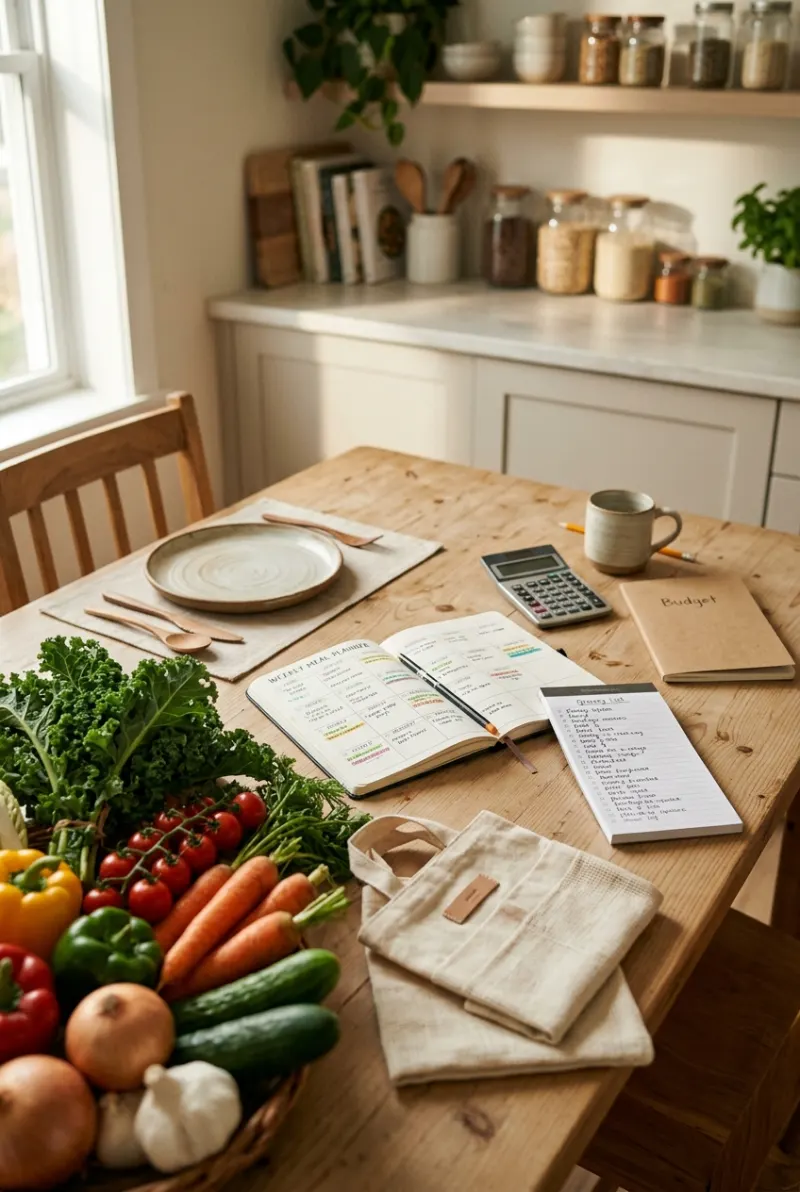
4. Plan Your Meals Before Grocery Shopping
Food spending can become much higher when you shop without a plan. Create a simple weekly meal plan before visiting the grocery store. Check your kitchen first and build your shopping list around ingredients you already have.
Meal planning also reduces last-minute takeaway orders. Choose a few easy meals that use similar ingredients. For example, vegetables bought for dinner can also become lunch the next day. This approach can reduce food waste while keeping grocery spending more controlled.
5. Make More Drinks at Home
Coffee, soft drinks, and specialty beverages can become regular budget leaks. Buying one drink may not feel expensive, but repeated purchases can add up over several weeks. Preparing coffee, tea, or flavored water at home gives you more control over this spending.
You do not need to remove every treat from your routine. Instead, choose specific days for buying drinks outside. On other days, prepare your favorite drink at home. This keeps the enjoyable part of the habit without making it an everyday expense.
6. Create a No-Spend Weekend
A no-spend weekend can help you discover how often you spend money simply because you are bored. Choose one weekend each month and avoid unnecessary purchases. Use what you already have at home for food, entertainment, and activities.
You can watch a movie you already own, cook something new, visit a free local place, or spend time with family. The goal is not to make the weekend boring. It is to prove that entertainment does not always require spending.
7. Shop Your Home First
Before buying something new, check what you already own. This works especially well for clothes, kitchen items, home decor, office supplies, and storage products. Many people buy duplicates because they forget what is already stored in drawers or cabinets.
Create a small “use first” area for items you often forget. You might find an unopened product or an item that can solve your problem without another shopping trip. This simple habit can prevent unnecessary purchases.
8. Use Generic and Store-Brand Products
Brand names can sometimes cost more than similar generic or store-brand products. Compare ingredients, quantity, quality, and price instead of choosing a product only because you recognize the name.
Start with basic household items, pantry foods, cleaning products, and other products where brand differences are less important to you. If the lower-cost option works well, keep buying it. The savings from several regular purchases can become useful over time.
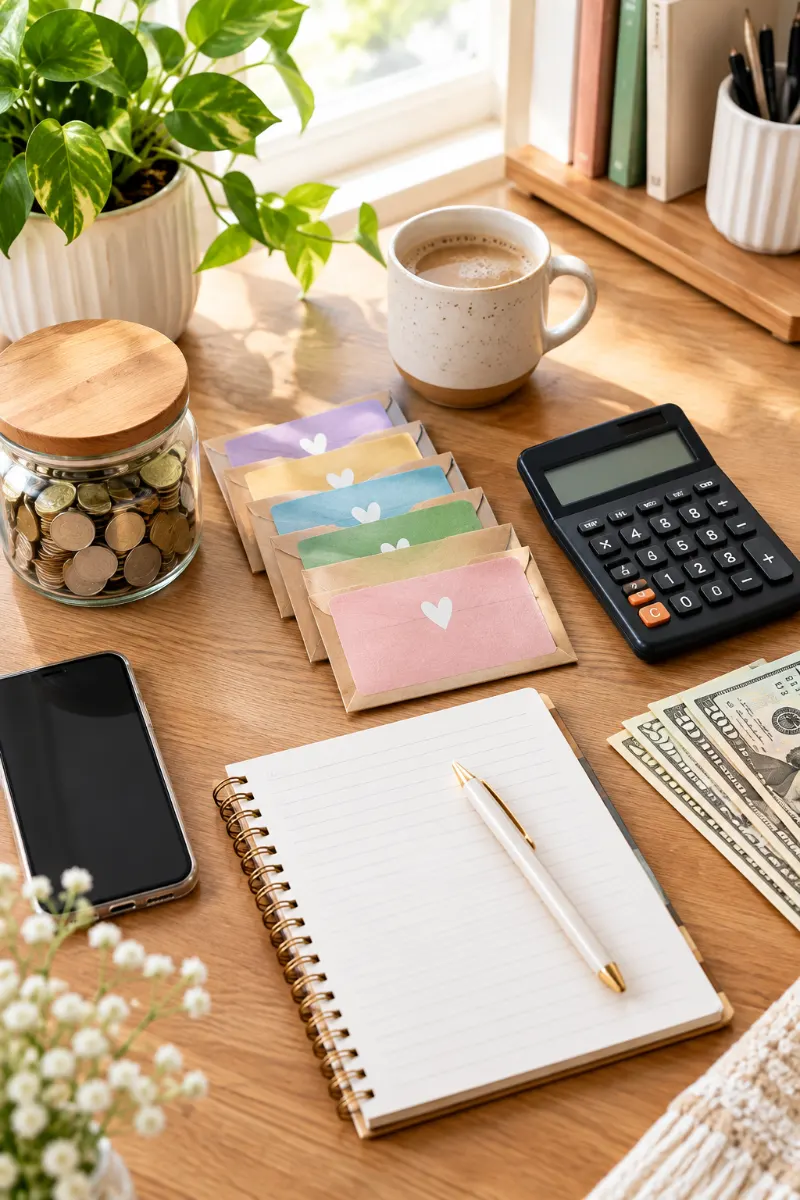
9. Set a Weekly Cash Spending Limit
A weekly spending limit can make everyday expenses easier to see. Choose a realistic amount for optional spending, such as snacks, small shopping trips, entertainment, or eating outside. Once the weekly amount is used, wait until the next week.
You can use cash or a separate spending account for this method. The purpose is not to make every purchase difficult. It creates a clear boundary between money for needs and money for wants.
10. Compare Prices Before Big Purchases
Do not assume the first price you see is the best available price. Before buying electronics, furniture, appliances, travel tickets, or other expensive items, compare several sellers and check the total cost.
Also consider delivery fees, warranties, return policies, and product quality. A slightly cheaper product is not always better if it needs replacement quickly. The goal is to find reasonable value rather than simply choosing the lowest number.
11. Buy Second-Hand When It Makes Sense
Second-hand shopping can reduce the cost of many useful items. Consider used furniture, books, clothing, tools, bicycles, and other products where condition matters more than being brand new.
Always check the condition before paying. Look for damage, missing parts, unusual wear, or expensive repairs. For some products, buying used can make sense. For others, new may be more suitable. Make the decision based on the item and your needs.
12. Repair Before Replacing
A broken item does not always need to go straight into the trash. Small repairs can sometimes extend the life of clothing, furniture, appliances, bags, and household items. Before replacing something, check whether the problem is simple to fix.
Learn a few basic repair skills that match your home and lifestyle. Sewing a loose button or tightening a screw may take only a few minutes. For electrical or technical problems, use a qualified professional when needed.
13. Reduce Food Delivery
Food delivery can be convenient, but frequent orders can make a food budget harder to control. Instead of ordering whenever you feel tired, keep a few quick meals at home. Frozen vegetables, eggs, rice, pasta, sandwiches, and other simple foods can help.
You do not need to completely stop ordering food. Set a monthly limit for delivery and treat it as planned spending. When the limit is reached, switch back to your home meal options until the next budget period.
14. Use Free Entertainment
Entertainment does not have to be expensive. Search for free community events, public parks, local libraries, walking routes, free online learning resources, and activities you can enjoy at home.
Create a list of free activities before you need them. This makes it easier to choose something without opening a shopping app or booking an expensive activity. A good free activity list can make a no-spend day much easier.

15. Automate Your Savings
Saving what remains at the end of the month can be difficult because there may be very little left. A better approach is to move a chosen amount into savings soon after receiving your income.
Set an automatic transfer that matches your budget. Start with an amount you can maintain comfortably. If your income changes, review the amount. Automation removes one decision from your monthly routine and can make saving more consistent.
16. Use a Separate Savings Account
Keeping savings in the same account as everyday spending can make it easier to spend the money accidentally. A separate savings account creates a clear boundary between money for current expenses and money for future goals.
Give the account a specific purpose if that helps you stay motivated. It could be an emergency fund, home goal, travel fund, education fund, or general savings. Seeing the balance grow can make the habit easier to maintain.
17. Sell Things You No Longer Need
Look around your home for items you no longer use. Clothes, electronics, furniture, books, tools, and other useful products may have resale value. Selling unused items can create extra money while also reducing clutter.
Do not treat every item as valuable simply because you paid a lot for it. Check current second-hand prices and be honest about condition. Use the money for savings instead of immediately replacing the items you sold.
18. Cut Small Energy Expenses
Energy costs can sometimes be reduced through simple household habits. Turn off lights when rooms are empty, unplug devices that are not needed, and use appliances thoughtfully. Also check whether your heating or cooling habits can be adjusted.
The exact savings will depend on your home, energy rates, appliances, and usage. Track your bill for a few months instead of expecting a fixed amount. This helps you see which changes actually make a difference.
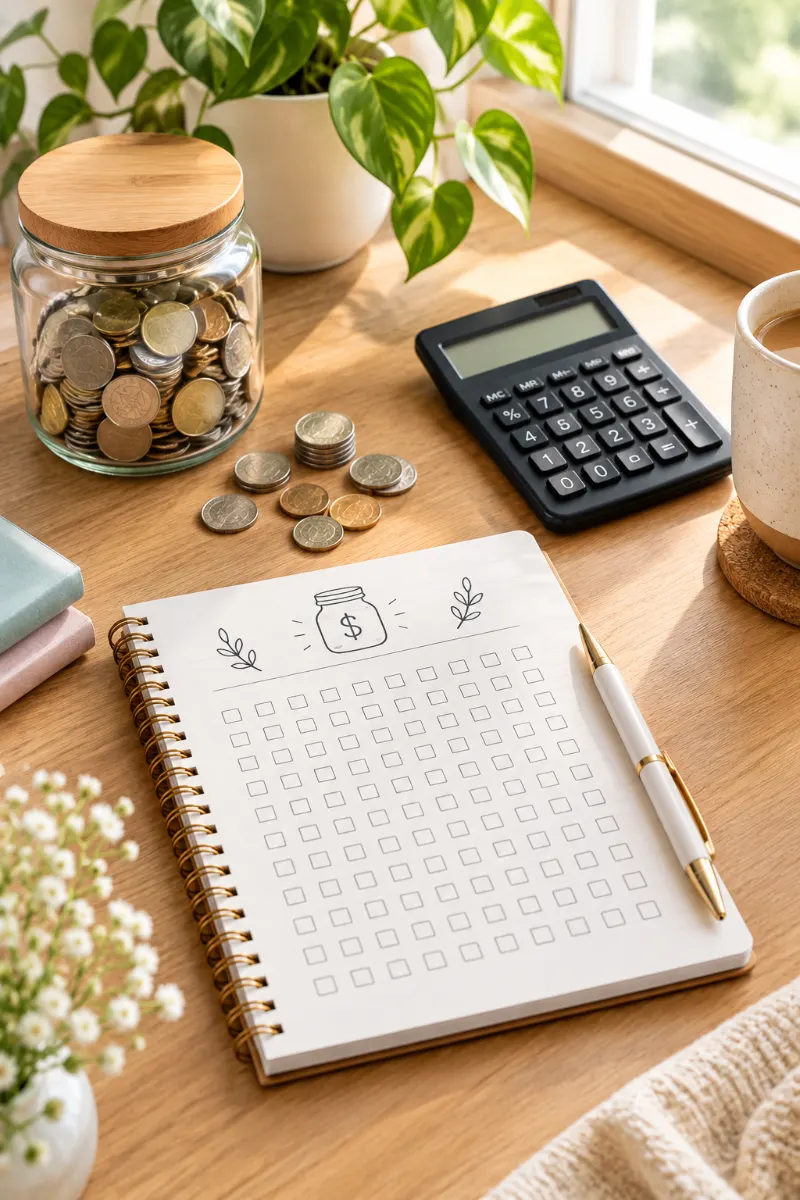
19. Try a Savings Challenge
A savings challenge can make a large goal feel smaller. Instead of thinking about $1,000 at once, divide the goal into weekly or daily amounts. You can create your own challenge based on your income and monthly expenses.
For example, you could increase your savings slightly each week. Another option is to save a fixed amount after every payday. The best challenge is one you can repeat without creating problems with rent, food, bills, or other essential costs.
20. Review Your Spending Every Week
A weekly money review can prevent small problems from becoming large ones. Spend 10 to 15 minutes checking your recent purchases. Look for unnecessary spending, forgotten subscriptions, food delivery, impulse purchases, and other patterns.
Do not use the review to criticize yourself. Use it to make better decisions next week. Ask three simple questions: What did I spend? What was unnecessary? What will I change next week? This keeps the process practical and manageable.
21. Give Every Saving Goal a Purpose
Saving becomes easier to understand when you know why you are doing it. Instead of simply saying “I need to save money,” choose a clear goal. You might want an emergency fund, a future purchase, debt reduction, education, or more financial flexibility.
Write the goal somewhere you can see it. Break the larger target into smaller milestones. When you reach one milestone, celebrate the progress without creating a new expensive purchase. The goal is steady progress, not perfection.
The $1,000 Monthly Savings Challenge
Saving $1,000 every month means finding an extra $1,000 between reduced spending, planned savings, and possibly additional income. You do not have to find the entire amount from one category. A combination of several smaller changes can make the target easier to understand.
For example, you might aim to reduce unnecessary spending by $400, save an additional $300 from your regular income, and use $300 from extra work or selling unused items. Your numbers may look completely different. The important point is to build a plan around your real budget.
A Simple $1,000 Challenge Breakdown
| Saving Source | Monthly Target |
| Grocery and meal planning | $150 |
| Subscriptions and entertainment | $75 |
| Eating out and drinks | $150 |
| Shopping and impulse purchases | $150 |
| Energy and household costs | $75 |
| Automated regular savings | $200 |
| Selling unused items or extra income | $200 |
| Total Target | $1,000 |
These numbers are examples, not fixed rules. Some households may save more from groceries, while others may have little room to reduce food costs. If $1,000 is too high for your current budget, lower the target and build it gradually.
How to Start the Challenge
Starting a $1,000 monthly savings challenge may feel difficult at first, but breaking it into smaller steps makes the goal easier to manage. Start by tracking your spending, finding simple cuts, and choosing a savings target that fits your budget.
Week 1: Track Everything
Do not change your spending immediately. First, track your purchases for seven days. Include groceries, transport, subscriptions, snacks, online purchases, bills, and other expenses.
At the end of the week, separate your spending into needs, wants, and avoidable costs. This gives you a realistic starting point instead of making random cuts.
Week 2: Remove Easy Expenses
Choose a few expenses that provide little value. Cancel unused subscriptions, reduce takeaway orders, stop unnecessary shopping, and make drinks at home.
Move the money you save into your separate savings account. This turns a spending cut into visible progress.
Week 3: Add Extra Savings
Look for ways to increase your monthly savings without cutting essential expenses. Sell unused items, take on suitable extra work, or save money from planned no-spend days.
Keep the process realistic. Extra income should not require you to sacrifice essential responsibilities or take unnecessary financial risks.
Week 4: Review and Adjust
At the end of the month, compare your actual results with your $1,000 target. Write down what worked and what felt difficult.
If you saved less than $1,000, do not consider the challenge a failure. Find the gap and create a smaller target for the next month. A sustainable savings habit is more useful than an unrealistic one-month goal.
What If You Cannot Save $1,000 a Month?
Not everyone has enough extra income to save $1,000 each month. Rent, food, family costs, debt payments, and other essential expenses can leave very little room for savings. Your first goal should be a savings amount that fits your real financial situation.
You can start with $50, $100, $250, or another amount that works for you. Once the habit becomes easier, increase the target when your budget allows. The challenge should help you build control over your money, not create financial stress.
Simple Rules for Making the Challenge Work
Following a few simple rules can make your $1,000 monthly savings challenge easier to manage. These habits help you stay consistent, avoid unnecessary spending, and keep your savings goal realistic.
- Track your spending before making major cuts.
- Protect essential expenses first.
- Automate a realistic savings amount.
- Avoid using credit to create the appearance of savings.
- Review subscriptions every few months.
- Plan meals before grocery shopping.
- Use a waiting period for non-essential purchases.
- Keep savings separate from daily spending.
- Adjust the $1,000 goal when your budget changes.
- Focus on consistency instead of perfection.
Final Thoughts
The biggest money-saving trick is not one special hack. It is learning to notice where your money goes and making intentional choices before it disappears. Small changes in food, shopping, subscriptions, entertainment, and daily habits can create room for larger financial goals.
The $1,000 monthly savings challenge can be a useful target if your income and expenses allow it. Start by tracking your spending, choose realistic changes, and review your progress every week. If $1,000 is not possible today, start smaller and increase your goal as your financial situation improves.





- Be Respectful
- Stay Relevant
- Stay Positive
- True Feedback
- Encourage Discussion
- Avoid Spamming
- No Fake News
- Don't Copy-Paste
- No Personal Attacks
- Be Respectful
- Stay Relevant
- Stay Positive
- True Feedback
- Encourage Discussion
- Avoid Spamming
- No Fake News
- Don't Copy-Paste
- No Personal Attacks
