How to Start Dropshipping for Beginners in 2026
Published: 5 Nov 2026
Introduction
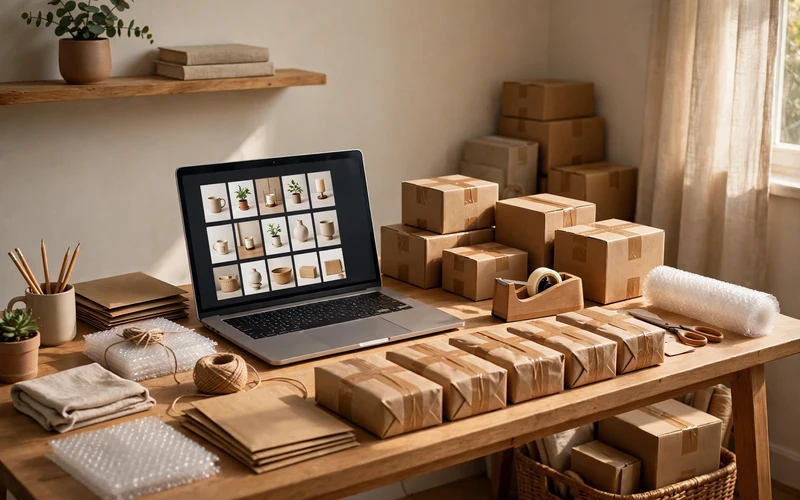
Dropshipping is one of the most talked-about ways to start an online business, and for a good reason: you can sell products without buying large amounts of stock in advance. Instead, when a customer places an order in your store, you pass that order to a supplier, who ships the product directly to the customer. You do not need a warehouse, and you do not need to pack boxes yourself.
That low starting point makes dropshipping attractive for beginners, but it does not make it easy or automatic. Success still depends on sensible products, reliable suppliers, a trustworthy store, and good handling of problems when orders go wrong. Many beginners struggle because they expect quick results and skip the basics.
This guide explains dropshipping in plain language: how it works, what it costs, how to choose a niche and supplier, how to set up a store, and how to market it on a small budget. There are no promises of fast income here, only a realistic starting plan you can follow step by step in 2026.
What Is Dropshipping and How Does It Work?
In a traditional online shop, the seller buys products first, stores them, and ships them after each sale. In dropshipping, that order is reversed. You list products in your store first, and stock stays with the supplier until a customer buys.
Here is a simple example. A customer buys a water bottle from your store at your set price. You forward the order to your supplier and pay the wholesale price plus shipping. The supplier sends it directly to your customer. You keep the difference between the two prices, minus other costs such as store, payment, and advertising fees.
You are still responsible for the customer experience, even though you never touch the product. If delivery is late or an item arrives damaged, the customer will contact you, not the supplier. That is why supplier quality and clear communication matter so much.
Dropshipping can work with many products, from home goods to hobby supplies. The key is to sell items that are easy to ship, clearly described, and priced with room for your costs after fees.
Is Dropshipping Right for Beginners?
Dropshipping suits beginners who want to learn online selling with a lower upfront cost, but it is not right for everyone. It works best if you are patient, willing to learn marketing, and comfortable solving customer problems.
The main advantages are clear. You can start without renting storage or buying bulk stock, test different products without a large investment, and run the store from home with only a laptop and an internet connection.
There are real disadvantages too. Profit margins are often smaller than in traditional retail because the supplier and shipping take a large share of the price. You also have less control over quality, packaging, and delivery speed, and competition for popular products can be strong.
If you want a business you can learn gradually, dropshipping is a fair starting point. If you need guaranteed income by a fixed date, it is not a safe choice.
How to Start Dropshipping Step by Step
Starting well means working through the basics in order, rather than jumping straight to advertising.
First, pick a broad direction and narrow it into a niche. A niche is a focused group of products for a clear type of customer, such as kitchen tools for small homes or accessories for gardeners. A focused store is easier to describe and market, and more trustworthy than one selling unrelated items.
Second, research products inside that niche. Look for items that solve a small, everyday problem, are not fragile or overly complex, and can be shipped safely. Avoid products that need special sizing or strict safety approval unless you fully understand the rules.
Third, find and test suppliers before you launch. Order a sample when possible, so you can check quality, packaging, and delivery time. A supplier who answers clearly and ships on time is worth more than a slightly cheaper one who disappears when there is a problem.
Fourth, build clear product pages with honest photos, a plain description, size or material where relevant, shipping information, and a returns policy. Customers buy more confidently when they know what to expect.
Fifth, set prices carefully, test checkout yourself, and only then start promoting the store.
Choosing Products and a Niche
Good product research saves time later. Start by listing everyday problems, such as keeping a desk tidy or organising a small kitchen. Products linked to a real use are usually easier to explain than novelty items bought on impulse alone.
Check whether the product is easy to understand from photos and a short description. If a customer needs expert help to use it, it may create more support questions than a beginner store can handle. Light, sturdy items are also generally simpler and cheaper to ship than heavy or breakable ones.
Avoid choosing a niche only because someone else said it is profitable. Ask whether you can write about it, answer questions about it, and stay interested in it for months. A store you understand will look more credible than one built around products you cannot explain.
Finally, keep your first range small. Ten to twenty related products are enough to launch and learn from.

Finding Reliable Suppliers
Your supplier is effectively your warehouse and shipping team, so this choice deserves care. Start with well-known supplier platforms and directories, and compare several suppliers for the same type of product rather than accepting the first listing you find.
Check the details that affect customers: price, shipping cost, delivery time, return rules, and whether the supplier ships without adding their own branding. Read reviews, but treat them as one clue only, since they can be selective or out of date.
Contact suppliers with a short, polite message about stock, delivery times, packaging, and damaged items. Clear, helpful answers are a good sign. Slow or vague answers are a warning, even if the price looks attractive.
Before relying on any supplier, place a test order if you can, and keep notes on quality, packaging, delivery time, and response speed. It is also wise to have a backup supplier for your most important products, so a stock shortage does not stop your sales.
Setting Up Your Online Store
You do not need advanced technical skills to build a dropshipping store. Most beginners use an established e-commerce platform that handles product pages, checkout, and payments. Choose one with clear monthly pricing, simple tools, and reachable support.
Your store design should be simple and trustworthy: a clean layout, readable font, and consistent photos. Add an About page, plus clear shipping, returns, and contact pages, so customers can reach you easily.
Product pages deserve the most attention. Rewrite supplier descriptions in your own words. Explain the main benefit first, then practical details such as size, material, and what is included. Honest descriptions reduce returns.
Before launch, test everything as a customer would: add items to the cart, check shipping costs, complete a test checkout, and confirm order emails arrive. Fix broken links or unclear prices before spending on promotion.

Pricing, Costs and Profit Margins
Pricing is where many beginners make mistakes. It is tempting to set a very low price to attract buyers, but a low price can leave nothing after supplier costs, shipping, payment fees, store fees, and advertising.
Start by listing every cost for a typical order. Include the supplier price, shipping to the customer, payment processing fees, and a share of your monthly store cost. Only then decide on a selling price that leaves a reasonable margin. Many beginners aim for a margin that covers costs and still leaves room for advertising and occasional refunds, rather than chasing the lowest price in the market.
The table below uses illustrative example figures only. Real costs vary widely by product, supplier, and country, so use it to understand the calculation, not as a promise of profit.
| Cost or price item | Illustrative example only |
|---|---|
| Selling price paid by customer | $25.00 |
| Supplier product price | $12.00 |
| Shipping cost | $4.00 |
| Payment and store fees | $2.00 |
| Remaining margin before advertising | $7.00 |
In this illustrative example, the remaining margin must still cover advertising, refunds, and your time. If advertising costs $5.00 to gain one order, only $2.00 remains. That check shows why pricing matters more than visitor numbers alone. Review prices regularly, and adjust them if shipping or supplier costs rise.
Marketing Your Store Without a Big Budget
You do not need a large advertising budget to start, but you do need a consistent plan. Begin with free or low-cost channels that match your niche, such as short videos and helpful guides.
Focus on one or two channels at first. Visual, easy-to-demonstrate products may suit short videos, while products people search for before buying may suit helpful written guides. Useful content also builds trust when you are new and have few reviews.
When you try paid advertising, start small and test one product at a time. Set a daily limit you can afford to lose while learning, and track which ads lead to real sales, not only clicks. Stop ads that bring visitors but no orders, and improve the product page before spending more.
Email can also help. Offer an honest reason to join, such as a buying guide, and send useful messages rather than constant promotions.
Common Mistakes Beginners Make
One common mistake is adding too many unrelated products. A scattered store confuses visitors and makes advertising harder. A smaller, focused range is easier to explain and improve.
Another mistake is copying supplier descriptions without checking them. Copied text looks generic, and inaccurate claims lead to complaints and refunds. Always rewrite descriptions, check measurements, and remove claims you cannot verify.
Many beginners also ignore customer service. Slow replies and unclear shipping information damage trust quickly. A short, honest reply is often enough: explain what happened, what you are doing, and when to expect an update.
Finally, some beginners give up after a short test, while others keep spending on ads for a product that clearly does not sell. Set a review point, such as after thirty days, to look at traffic, sales, costs, and questions, then decide based on evidence rather than hope.
Conclusion
Dropshipping gives beginners a practical way to learn online selling without buying large amounts of stock first. The model is simple to understand, but running a good store takes steady work: careful product choices, reliable suppliers, honest descriptions, fair pricing, and helpful customer service.
Start small, focus on one niche, and test everything before you scale. Keep costs visible, track what actually sells, and improve one part of your store at a time. That patient approach will not guarantee income, but it gives you a much better chance of building a store customers trust.
In short, dropshipping rewards clarity and consistency more than speed. Build a store you would trust as a customer.
Frequently Asked Questions
What is dropshipping in simple words?
Dropshipping is a way of selling online where you do not keep products in stock. When a customer buys from your store, you forward the order to a supplier, who ships the product directly to the customer. You earn the difference between your selling price and your total costs, after fees.
How much money do I need to start dropshipping?
You can start with a modest budget, but you will need money for a store platform, a domain name, and possibly small test orders and advertising. Costs vary by platform and country, so check current prices before you begin and avoid spending money you cannot afford to lose while learning.
Do I need to buy stock before I sell?
No, that is the main feature of dropshipping. You do not buy stock in advance. However, ordering a sample for yourself is useful, because it lets you check quality, packaging, and delivery time before customers rely on that supplier.
Is dropshipping profitable for beginners?
It can be, but profit depends on product choice, pricing, supplier reliability, advertising costs, and customer service. Margins are often modest, especially at first. Treat early months as a learning period, track your costs carefully, and do not expect guaranteed income.
How do I choose a good dropshipping niche?
Choose a focused topic you understand and can write about, with products that solve an everyday problem and are easy to ship. Check that the products are simple to explain, not fragile or overly complex, and priced with enough room for your costs after fees.
How long does delivery usually take?
Delivery time depends on the supplier, the product, and the customer’s location. Some suppliers ship quickly from nearby warehouses, while others take longer for international shipping. Always state an honest delivery range in your store and update customers if delays occur.
What happens if a customer wants a refund?
You should have a clear returns policy before you launch. When a customer contacts you, respond promptly, check the supplier’s return rules, and explain the next steps clearly. Handling refunds fairly protects your reputation, even when it costs you in the short term.
Can I run a dropshipping store alongside a job or studies?
Yes, many beginners start part-time. Dropshipping still needs regular attention for orders, customer messages, and store updates, so set aside consistent time each week. A small, focused store is much easier to manage part-time than a large, scattered one.





- Be Respectful
- Stay Relevant
- Stay Positive
- True Feedback
- Encourage Discussion
- Avoid Spamming
- No Fake News
- Don't Copy-Paste
- No Personal Attacks
- Be Respectful
- Stay Relevant
- Stay Positive
- True Feedback
- Encourage Discussion
- Avoid Spamming
- No Fake News
- Don't Copy-Paste
- No Personal Attacks
