How to Sell Stock Photos Online for Beginners
Published: 5 Nov 2026
If you enjoy taking photos, you may already have a collection of images sitting on your phone or computer that could earn money for you. Selling stock photos online means licensing your photographs to businesses, bloggers, designers, and publishers who need images for websites, advertisements, presentations, and social media. Instead of selling a photo once to a single buyer, you can license the same image many times, which is why stock photography appeals to beginners who want a flexible, creative way to earn online.
Stock photography is not a shortcut to quick wealth. It is a slow-building income stream that rewards consistency, useful subjects, and good technical quality. This guide covers what sells, how to shoot and edit with a buyer in mind, how to choose platforms, and how to upload properly. You do not need expensive gear or professional experience — just patience and a habit of uploading regularly.
What Is Stock Photography?
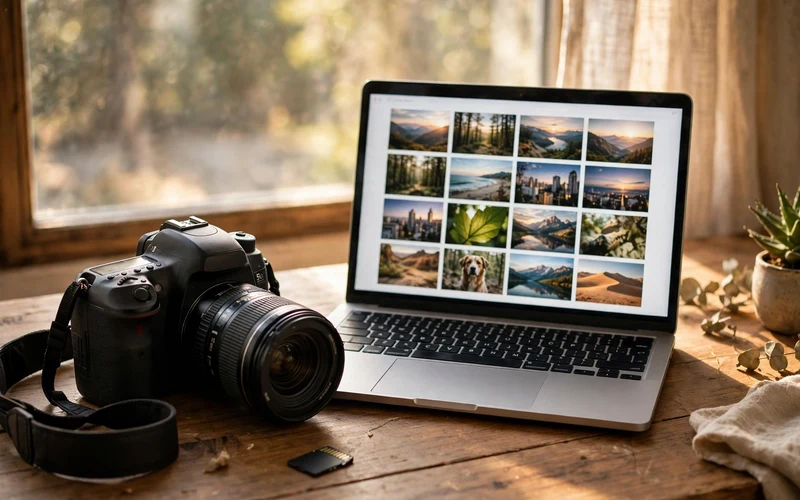
Stock photography is a library of ready-to-use images that buyers can license for a fee. When a business needs a photo of a morning coffee, a mountain landscape, or a tidy home office, it is often faster and cheaper to buy a stock photo than to organise a photo shoot. Stock agencies host millions of images, handle payments, and manage licensing, while contributors upload photos and earn a share of each sale or download.
Most beginner contributors start with royalty-free licensing. This does not mean the photo is free. It means the buyer pays once and can use the image in the ways allowed by the licence, without paying again for each use. Some platforms also offer extended licences for larger commercial uses, such as product packaging or large print runs. Always read the licence terms of the platform you join, because rules about exclusivity, editing, and resale can differ.
In most arrangements you keep the copyright, but you grant the agency permission to sell licences for you. Upload only photos you created yourself — never images copied from the internet or another photographer. Original work protects your account and reputation.
What Kinds of Stock Photos Sell?
Buyers look for photos that help them tell a story or explain an idea. A beautiful sunset is pleasant to look at, but a clear, well-lit photo of a workspace, a healthy breakfast, or a seasonal landscape may be more useful to a website owner. Useful photos answer a need: they illustrate an article, fill a website banner, or make a presentation look professional.
Popular beginner-friendly subjects include landscapes, food, travel scenes, home interiors, nature details, flat-lay still life, and everyday objects photographed cleanly. Seasonal content also works well, such as autumn leaves, winter markets, spring flowers, or summer beaches, especially if you upload it well before the season begins. Buyers often plan content in advance, so early uploads have a better chance of being found.
Simple, uncluttered compositions tend to perform better than busy ones. Leave some empty space in the frame so a designer can add text. Use natural light when you can, keep the main subject sharp, and avoid distracting backgrounds. A photo does not need to be dramatic to be valuable. It needs to be clear, honest, and easy to use.

What Equipment Do You Need to Start?
You can start with the camera you already own. Many modern smartphones take sharp, well-exposed photos that are good enough for stock, especially in bright daylight. A dedicated camera gives you more control over focus, depth of field, and low-light performance, but it is not required for your first uploads. What matters more is learning to use your camera well, whatever it is.
A few low-cost accessories can help: a small tripod for low light, a cloth to keep your lens clean, and enough memory card space. Indoors, place your subject near a large window for soft, even light instead of harsh overhead lighting.
Do not buy every accessory at once. Start with what you have, learn from accepted and rejected photos, and upgrade only when a specific limitation holds you back. New gear will not fix weak composition or poor lighting.
How to Shoot Photos Buyers Can Use
Before you press the shutter, think about how a buyer might use the photo. Would it work as a website header? Could it illustrate an article about travel, cooking, or remote work? Is there space for a headline? This buyer-first mindset is one of the biggest differences between casual photography and stock photography.
Shoot both horizontal and vertical versions of a strong scene when possible, because websites, articles, and social posts use different shapes. Take a few variations as well: a wider shot, a closer detail, and a version with more empty space. Small variations give buyers choices without requiring a completely new shoot.
Check the basics every time: keep horizons straight, focus on the main subject, and avoid heavy shadows that hide detail. Shoot at your highest quality setting and avoid heavy filters. Clean, natural images are easier for buyers to use.
Editing Your Photos for Stock
Editing should improve a photo, not rescue a badly taken one. Start with simple adjustments: straighten the image, crop out distractions, adjust brightness and contrast gently, and correct the white balance so colours look natural. Keep skin tones, food colours, and landscapes realistic, because buyers need images they can trust.
Avoid over-editing. Very strong saturation, heavy vignettes, or artificial-looking sharpening can make a photo look dated or unusable. Check your image at full size before uploading, and look for dust spots, distracting objects at the edges, and any blur in the main subject. A short pause before exporting often helps you notice problems you missed while editing.
Save files in the format and size your platform requires, and keep an organised backup of originals. A simple folder system by subject and date makes photos easier to find and re-upload later.
Choosing a Stock Photo Platform
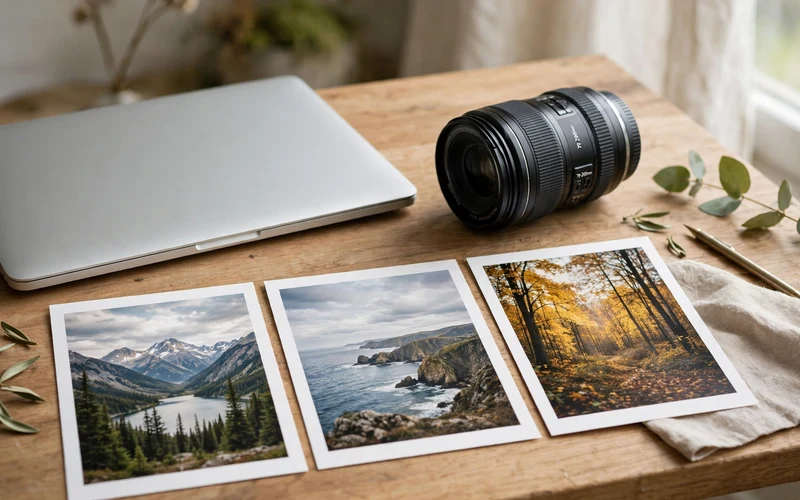
Several well-known stock platforms accept beginner contributors, and each has its own review process, commission structure, and audience. Some platforms focus on a large volume of affordable images, while others focus on curated collections. It is sensible to start with one or two platforms, learn their quality standards, and expand only when you feel confident.
Compare contributor terms, payout thresholds, and licence rules. Check whether the same photo may appear on other sites, as some agreements are exclusive. Most platforms review uploads for focus, exposure, and legal issues before sale, and rejections are normal.
Do not judge a platform after only a few uploads. Stock income usually depends on the size and usefulness of your portfolio, not on a single photo.
Uploading, Titles, and Keywords
Uploading is where many beginners lose sales, because a great photo cannot sell if buyers cannot find it. Give each photo a clear, descriptive title that states what is actually in the image. Then add relevant keywords that a buyer might type into a search box, such as the subject, setting, season, colours, and mood. Be accurate: misleading keywords frustrate buyers and can harm your account.
Think in layers when you keyword. Start with the main subject, then add the setting, the action or state, and useful details. For a mountain lake at sunrise, relevant ideas might include mountains, lake, sunrise, pine trees, calm water, and reflection. Avoid repeating the same word, adding unrelated trending terms, or stuffing keywords that do not describe the photo.
Most platforms also ask whether a photo contains recognisable people, private property, trademarks, or logos. Follow these rules carefully. Photos without people, logos, or recognisable brands are often simpler for beginners, because they usually avoid extra release forms. If you later photograph people, learn about model releases before uploading.

Pricing and Licensing: What to Expect
Stock contributors are usually paid a commission or royalty for each download or licence sale, and the amount can vary by platform, licence type, image size, and buyer plan. Beginners should not expect a fixed price for every sale, and small downloads are common at the start. The table below shows illustrative examples only, to help you understand how earnings can differ. These are not guaranteed rates and are not taken from any single platform.
Table: Illustrative examples of stock licence types only. Actual rates vary by platform and are not guaranteed.
| Licence or sale type | What it may mean for a beginner | Illustrative example only |
|---|---|---|
| Standard download | A common, lower-priced licence for everyday online use | A small royalty per download |
| Extended licence | A broader licence for larger commercial use | A larger one-off royalty than a standard download |
| Subscription download | A download included in a buyer’s subscription plan | A smaller royalty per download, with volume potential |
Because earnings per sale can be modest, volume and consistency matter. A portfolio of a few dozen useful photos is a starting point, not a finished business. Contributors who keep learning, uploading regularly, and reviewing which subjects get views and downloads tend to improve over time. Treat early results as feedback, not as a final verdict on your photography.
Common Mistakes Beginners Should Avoid
One common mistake is uploading only artistic photos without thinking about buyers. Artistic skill matters, but stock success also needs usefulness. Another mistake is uploading near-duplicate images with tiny differences. Buyers prefer a small set of strong variations over dozens of almost identical files.
Technical mistakes are also common. Blurry subjects, tilted horizons, overexposed skies, and noisy low-light images are frequent reasons for rejection. Review your photos carefully, learn from rejection reasons when a platform provides them, and reshoot a subject rather than uploading a weak version and hoping it passes.
Finally, avoid shortcuts that can damage your account. Do not upload other people’s work, do not use misleading titles, and do not ignore trademark or property rules. A clean, honest portfolio may grow more slowly at first, but it is far more sustainable than one built on risky uploads.
Growing Your Stock Photo Portfolio
A practical goal for beginners is to build a small, focused portfolio first. Choose two or three subjects you enjoy and can photograph often, such as nature, food, or home life. Photograph them in different seasons, lighting conditions, and compositions. Over time, you will learn which of your subjects buyers search for most.
Set a routine you can maintain, such as shooting once a week and uploading a small batch after editing. Review your portfolio monthly: which photos were accepted, which subjects are strongest, and what could improve? Steady progress beats short bursts followed by long gaps.
You can also combine stock photography with blogging or other creative work. A blog can give you a reason to shoot regularly, and your photos can support your own articles as well as stock sales. If you sell other digital products, such as templates or designs, the same habits of clear presentation, honest descriptions, and consistent uploads will help there too.
Conclusion
Selling stock photos online is a realistic beginner project if you approach it with patience and a buyer-first mindset. Start with the camera you have, photograph useful subjects in good light, edit gently, and upload with accurate titles and keywords. Learn from rejections, grow your portfolio steadily, and keep your expectations honest.
Your first sales may be small, and that is normal. Every accepted photo teaches you something about quality, subject choice, and presentation. Keep shooting, keep learning, and let your portfolio grow one useful image at a time.
Frequently Asked Questions
Do I need a professional camera to sell stock photos?
No. A modern smartphone can be enough to start, especially in good daylight. A dedicated camera offers more control, but good light, sharp focus, and useful subjects matter more than expensive gear at the beginning.
How many photos do I need before I can earn?
There is no fixed number, and earnings are not guaranteed. A larger portfolio of useful, well-keyworded photos generally gives buyers more chances to find your work, so consistency matters more than a single upload.
Can I sell the same photo on more than one platform?
It depends on the platform agreement. Some platforms allow non-exclusive uploads, while others require exclusivity. Always check the terms before uploading the same photo elsewhere.
Do I need a model release for photos without people?
Photos without recognisable people usually do not need a model release, which is one reason they are simpler for beginners. Property, trademark, and logo rules can still apply, so check each platform’s guidance.
Why do stock platforms reject photos?
Common reasons include blur, poor exposure, noise, distracting elements, and inaccurate titles or keywords. Rejection is normal for beginners. Read the reason, fix the issue if you can, and try again with a stronger photo.
How long does it take to make money from stock photos?
It varies widely and cannot be guaranteed. Stock income usually builds slowly as your portfolio grows and buyers discover your work. Treat it as a long-term creative project rather than a quick income method.
Can I use photos I took for my blog as stock photos?
Yes, if you created the photos yourself and the platform allows them. Make sure the images meet the platform’s technical standards and do not contain logos, trademarks, or other restricted elements unless allowed.
Is stock photography still worth starting as a beginner?
It can be worthwhile if you enjoy photography and want a flexible, low-cost way to learn about licensing, keywords, and online selling. Success depends on quality, consistency, and realistic expectations, not on any single photo or platform.






- Be Respectful
- Stay Relevant
- Stay Positive
- True Feedback
- Encourage Discussion
- Avoid Spamming
- No Fake News
- Don't Copy-Paste
- No Personal Attacks
- Be Respectful
- Stay Relevant
- Stay Positive
- True Feedback
- Encourage Discussion
- Avoid Spamming
- No Fake News
- Don't Copy-Paste
- No Personal Attacks
