How to Start a Print-on-Demand Business for Beginners
Published: 5 Nov 2026
How to Start a Print-on-Demand Business for Beginners
Introduction
Print-on-demand is one of the simplest ways for a beginner to start an online business without buying stock in advance. You create a design, list it in an online store, and the product is only printed after a customer places an order. The print provider then prints the item, packs it, and ships it directly to the customer. That model removes many usual barriers, such as warehouse space, large upfront inventory costs, and the risk of being left with unsold products.
In this guide, you will learn how print-on-demand works, how to choose a niche, how to create designs without being a professional artist, how to set up a store, how to price your products sensibly, and how to handle orders and customer questions. By the end, you should have a realistic plan for launching a small, honest business and improving it over time.
What Is Print-on-Demand?
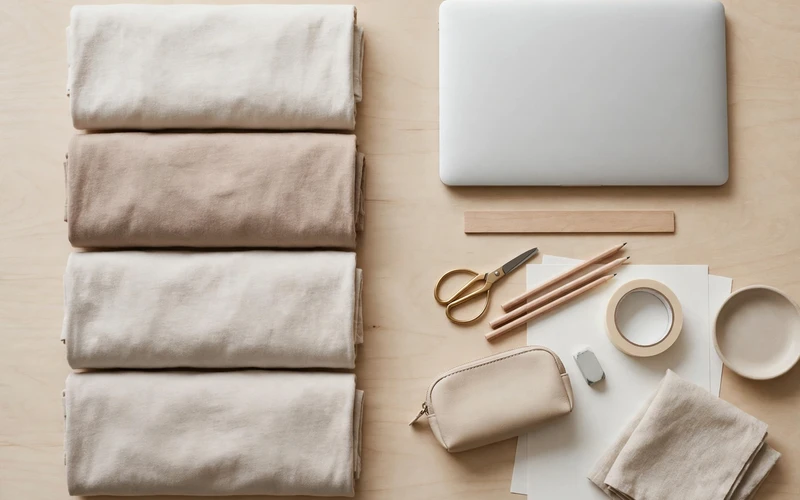
Print-on-demand, often shortened to POD, is a fulfilment model in which products are printed only when they are ordered. A typical setup involves three parts: you, the print provider, and the sales platform. You create the designs and list the products. The sales platform, such as an online marketplace or your own store, shows those products to shoppers. The print provider produces and ships the item when an order comes in.
Common products include t-shirts, hoodies, sweatshirts, tote bags, mugs, posters, phone cases, notebooks, and caps. The main advantage for beginners is low upfront risk. You do not pay for a large print run before you know whether anyone wants your design. You can test several ideas, keep the ones that get attention, and remove or improve the ones that do not. The trade-off is a smaller profit margin per item than bulk printing, because the provider charges for printing and shipping each individual order. That is normal, and it is why pricing and product choice matter.
How Print-on-Demand Works Step by Step
Understanding the order flow helps you avoid confusion later. First, you choose a product from your provider’s catalogue, such as a basic t-shirt in several colours and sizes. Next, you upload your design and position it on the product using the provider’s design tool. You then set a selling price and publish the product to your store or marketplace listing.
When a customer buys the product, the order is sent to the print provider automatically, or you forward it manually, depending on the platform. The provider prints the design, checks it, packs it, and ships it to the customer. You receive the difference between the selling price and the provider’s base cost, minus any platform fees. Order a sample of your own product before you promote it widely. A sample lets you check print quality, colours, fabric feel, and sizing. It also gives you real photos for your store, which can make listings look far more trustworthy than mockups alone. If something looks wrong, you can fix the design or choose a different product before customers notice the problem.
Choose a Niche Before You Design Anything
A niche is a focused group of buyers with a shared interest, such as gardeners, teachers, new parents, hikers, cat lovers, or amateur bakers. Beginners often make the mistake of designing for everyone, which usually means their products appeal strongly to no one. A clear niche makes every later decision easier: what to design, what words to use in titles, where to promote, and which products make sense.
Start by listing interests you understand well. It is much easier to create believable designs for a topic you know than for a trend you have only seen online. Think about hobbies, jobs, everyday problems, celebrations, and communities you are already part of. Then narrow each idea down. Instead of “animals,” consider “rescue dog owners” or “people who love gardening.” A smaller, clearer audience is easier to reach and easier to design for.
Create Designs That People Want to Wear or Use
You do not need to be a professional illustrator to start. Many print-on-demand designs are simple: a short phrase in clean lettering, a minimal illustration, a small graphic paired with a few words, or a clean pattern. Simple designs also print more reliably than very detailed artwork, especially on fabric. Start with ideas that look good at a glance, because shoppers often decide in seconds while scrolling.
If you design yourself, use a beginner-friendly design tool and work at a high resolution so the print stays sharp. Keep important parts away from the edges, check how the design looks on different product colours, and avoid copyrighted characters, logos, song lyrics, or trademarked phrases. If you are unsure whether a phrase or image is safe to use, leave it out. Original work protects your store and builds a brand you can be proud of.
Choose a Platform and Set Up Your Store
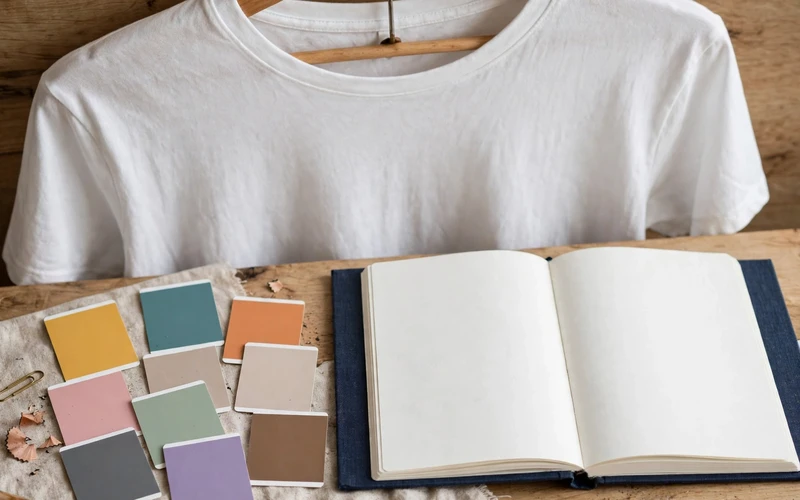
Beginners usually start in one of two ways: selling through an established marketplace, or building their own store and connecting it to a print provider. A marketplace can bring built-in traffic, but it also brings more competition and marketplace rules and fees. Your own store gives you more control over branding, pricing, and customer details, but you must bring your own visitors through search, social media, or content.
Your product listings deserve careful attention. Use clear titles that say what the product is and who it is for, without stuffing them with keywords. Write descriptions covering material, fit, care instructions, and available sizes and colours, using details from your print provider. Add honest mockup images, and replace them with real sample photos when you can. If a design looks different on a dark shirt than on a light one, show both versions so buyers are not surprised.
Pricing, Profit, and a Realistic Example
Your selling price must cover the provider’s base cost, platform or transaction fees, and any taxes or charges that apply, while still leaving a profit. At the same time, the price must feel fair compared with similar products. Start by checking the base cost for each product, then add your margin and compare the final price with comparable listings.
The table below shows a simple, illustrative example only. Actual base costs, fees, and selling prices vary by provider, product, marketplace, and location, so always check your own provider’s current prices before you set yours.
| Item (illustrative only) | Example base cost | Example selling price | Illustrative profit before fees |
|---|---|---|---|
| Basic t-shirt | $12 | $24 | $12 |
| Hoodie | $28 | $48 | $20 |
| Mug | $10 | $20 | $10 |
| Tote bag | $14 | $26 | $12 |
These figures are illustrative only and do not include platform fees, payment processing fees, advertising costs, or taxes, all of which reduce final profit. Track every cost in a simple spreadsheet from the beginning, recording base cost, fees, selling price, and profit for each product. A product that looks profitable at first glance may be less attractive once fees are included, and a small price change can make a real difference over many orders.
Promote Your Store Without Spamming People
A store with no visitors will not sell, no matter how good the designs are. The most sustainable approach is to share useful or enjoyable content related to your niche, with your products appearing naturally as part of it. For example, a gardening store might share seasonal growing tips, while a teacher store might share classroom ideas. People follow helpful accounts; they ignore accounts that only post “buy now” links.
Pinterest, Instagram, and short-form video can work well for visual products, because shoppers can see the design immediately. Use clear photos, show the product in everyday settings, and link back to the correct product page. If you write blog posts, you can explain the story behind a design, answer common questions about sizing or materials, or create gift guides for your niche. Search-friendly titles and descriptions help people find your content over time.
Handle Orders, Returns, and Customer Questions
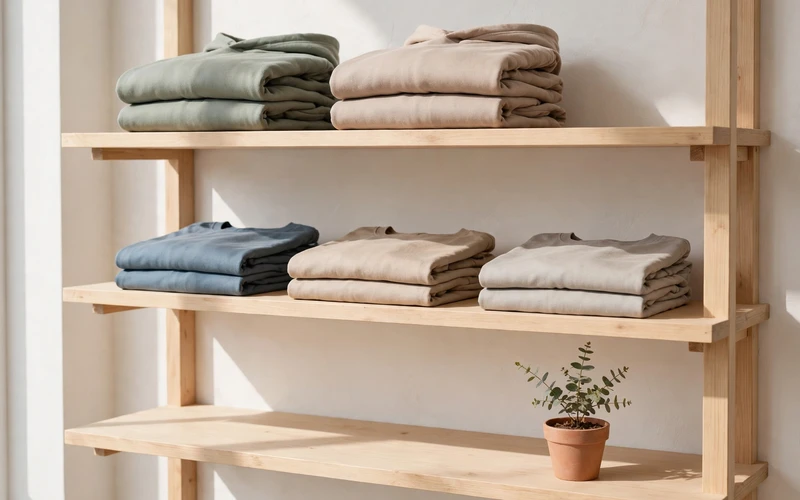
Even though the provider handles printing and shipping, customers will still contact you if an order is late, damaged, or the wrong size. Prepare for this before it happens. Learn your provider’s shipping times, return policy, and process for reporting a misprint or damaged item, and explain those details clearly in your store policies. When a problem arises, respond promptly, politely, and with a clear next step.
Common issues include long delivery times, colours looking different on screen than in real life, and sizing confusion. You can reduce these problems with honest listings: state that colours may vary slightly, provide a size guide, and avoid promising delivery dates you cannot control. If a provider makes a mistake, most providers will reprint or refund, but you may need to pass photos or order details to them, so keep order records organised.
Common Beginner Mistakes to Avoid
One common mistake is launching too many unrelated designs at once. A store with fifty random ideas often looks unfocused, and it is hard to promote everything well. Start with a small collection, learn what works, and then expand in the direction your audience responds to. Quality and focus usually beat quantity in the early months.
Another mistake is using artwork, phrases, or characters that belong to someone else. Copyright and trademark problems can lead to listings being removed or accounts being closed, even if the design was popular. Stick to original work, check phrases carefully, and be cautious with anything connected to famous brands, films, books, or celebrities.
Conclusion
Starting a print-on-demand business as a beginner is realistic because you can begin with a small budget, no inventory, and skills you build as you go. The key is to stay focused: choose one niche you understand, create a small set of original designs, set up a clean and honest store, price your products carefully, and promote them consistently without spamming. Order samples, listen to customer feedback, and improve your listings over time. You do not need dozens of products on day one. Start with a clear plan, publish your first collection, and learn from real orders and real questions.
Frequently Asked Questions
Do I need money to start a print-on-demand business?
You can start with very little money, because you do not buy inventory in advance. You may still need a small budget for store or marketplace fees, ordering samples, and possibly design tools.
Do I need to be a good artist to sell print-on-demand products?
No. Many beginner-friendly designs are simple, using clean text, minimal graphics, or basic illustrations. What matters more is a clear idea, a design that reads well at a glance, and originality.
Which print-on-demand products are best for beginners?
T-shirts, hoodies, mugs, and tote bags are common starting points because they are familiar and easy to design for.
How long does it take to get my first sale?
There is no fixed timeline. Some stores make a sale quickly, while others take weeks or months of consistent listing improvements and promotion.
Who handles printing and shipping in print-on-demand?
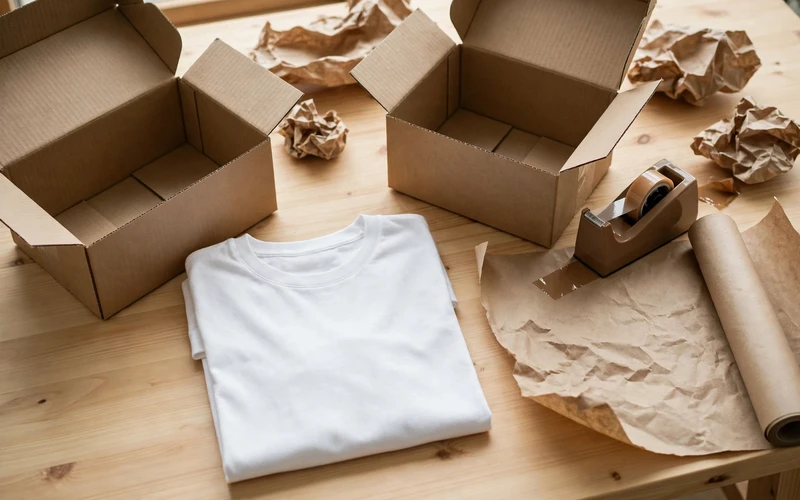
The print provider prints, packs, and ships the product after a customer orders it. You handle the store, designs, listings, pricing, and customer communication. If there is a printing or delivery problem, you usually contact the provider on the customer’s behalf.
Can I sell on a marketplace and my own store?
In many cases, yes, but the rules depend on the platform and provider you use. Some sellers start on a marketplace for built-in traffic and later add their own store for branding. Always check each platform’s terms before listing the same designs in multiple places.
What happens if a customer wants a return or exchange?
Return and exchange options depend on your provider and store policies, and on the reason, such as a misprint, damage, or wrong size. Set clear policies before you launch, respond promptly, and follow your provider’s process for reporting faulty items.
Is print-on-demand a guaranteed way to earn money online?
No. Print-on-demand is a real business with real costs, competition, and uncertainty. Income depends on your niche, designs, pricing, promotion, and how consistently you improve your store. Treat it as a business to build over time, not as a guaranteed income source.




- Be Respectful
- Stay Relevant
- Stay Positive
- True Feedback
- Encourage Discussion
- Avoid Spamming
- No Fake News
- Don't Copy-Paste
- No Personal Attacks
- Be Respectful
- Stay Relevant
- Stay Positive
- True Feedback
- Encourage Discussion
- Avoid Spamming
- No Fake News
- Don't Copy-Paste
- No Personal Attacks
