13 Collectibles to Sell for Extra Money: What May Be Worth Selling
Published: 28 Oct 2026
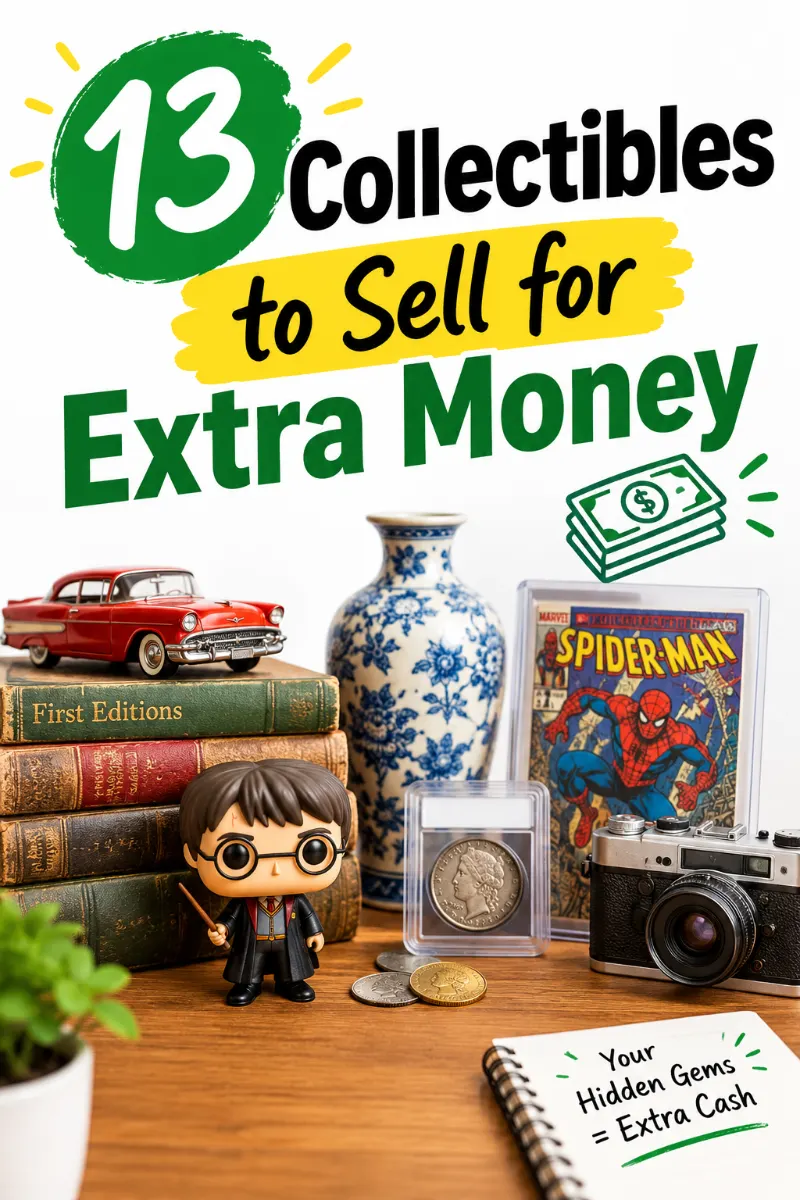
You can sell collectibles such as vintage handbags, old video games, coins, trading cards, rare books, toys, and sneakers for extra money. The value depends on demand, condition, rarity, and buyer interest. Check recent sold prices before you list anything.
Have you ever found an old toy, a box of coins, or a collection of books tucked away in your home? Some items that look ordinary can attract collectors who want to buy them.
In this guide, you’ll discover 13 types of collectibles to sell for money, how to check their value, and where to find potential buyers. You’ll also learn how to avoid common selling mistakes and choose the right items to list first.
How Can You Find Collectibles That May Be Worth Money?
You do not need to buy expensive antiques to start selling collectibles. Begin with items you already own, check what buyers want, and compare real selling prices. A little research can help you avoid wasting time on items with low demand.
- Search your cupboards, storage boxes, and shelves.
- Compare similar items on online marketplaces.
- Check recent sold listings before setting a price.
1. Vintage Handbags and Designer Accessories
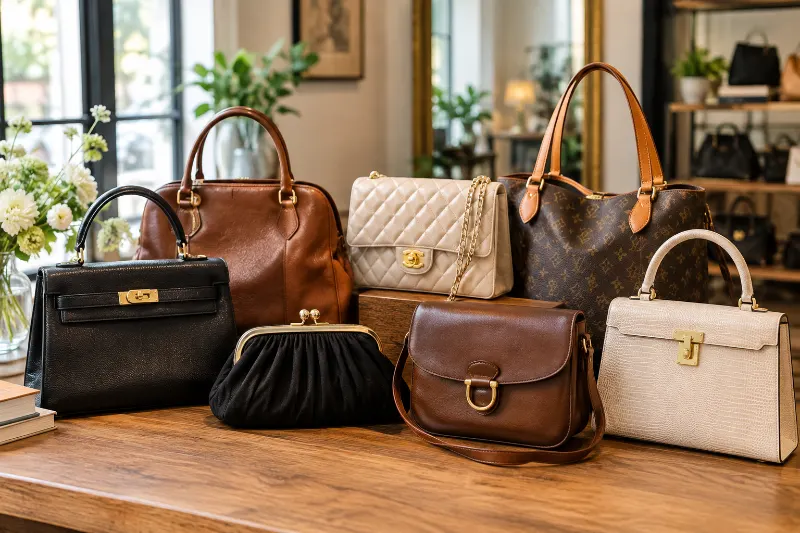
Vintage handbags can attract buyers who appreciate classic designs, older collections, and quality materials. Some designer bags may hold their value well, but brand, authenticity, condition, and current demand all affect the resale price.
- Check the brand, model, and condition.
- Look for original dust bags and receipts.
- Compare prices for similar sold bags.
Example: A well-kept vintage leather purse may attract more interest than a similar purse with damaged handles or missing hardware.
2. Comic Books and Manga Collections
Comic books and manga can interest readers who want complete series, rare editions, or older issues. Popular characters, limited print runs, and good condition can increase demand. However, not every old comic or manga volume has high resale value.
- Look for first editions and special covers.
- Keep complete series together when useful.
- Protect pages from moisture and sunlight.
Example: Someone who owns a complete manga series may list the volumes as a bundle for readers who prefer buying the whole collection.
3. Classic Video Games and Gaming Consoles
Old video games can appeal to collectors who enjoy classic gaming systems. Some titles, original consoles, and sealed games attract strong interest, while common used games may sell for much less. Working condition and included accessories can make a difference.
- Check the game title and platform.
- Test games and consoles before listing.
- Include original boxes and manuals when available.
Example: A working retro console with its original controller and cables may be easier to sell than an incomplete console that needs repairs.
4. Old Coins and Currency
Coins and old paper money can be valuable because of their age, rarity, minting errors, or historical importance. However, age alone does not guarantee a high price. Learn about the coin before selling it, and avoid cleaning it because cleaning can reduce collector appeal.
- Check the year, mint mark, and condition.
- Compare the coin with reliable collector references.
- Seek expert advice before selling rare pieces.
Example: Two coins from the same year can have different values if one has a rare minting error or a much lower production quantity.
5. Postage Stamps and Historical Postal Items
Stamp collectors may look for rare issues, unusual printing errors, older collections, and stamps from particular countries. The value depends on rarity, demand, condition, and authenticity. A large stamp collection may contain common items alongside a few more interesting pieces.
- Keep stamps in their original condition.
- Look for unusual designs or printing errors.
- Research individual stamps before pricing a collection.
Example: A collection with a rare stamp may be worth examining individually instead of selling every stamp together for one low price.
6. Trading Cards for Sports and Collectible Games
Trading cards are popular among collectors of sports, fantasy games, and entertainment franchises. Certain cards attract buyers because of their rarity, player or character, edition, or condition. Market demand can change quickly, so check current sold prices before listing.
- Identify the exact card and edition.
- Protect valuable cards with suitable sleeves.
- Check recent sales for the same card.
Example: A rare sports card in excellent condition may attract more buyers than a common card featuring the same player.
7. Rare Books and First Editions
Books can become sought-after collectibles when they have historical importance, limited print runs, signed copies, or special editions. First editions are books from the first printing of a work. Their value depends on the author, edition, condition, and buyer demand.
- Check the publication page for edition details.
- Look for author signatures and dust jackets.
- Compare similar copies before pricing.
Example: A signed first edition from a popular author may interest collectors more than a later mass-market paperback.
If you enjoy making things and finding niche audiences, you can also explore how to start a crafting blog for ideas on sharing your hobby online.
8. Original Artwork and Limited-Edition Prints
Artwork can appeal to buyers who collect paintings, illustrations, photography, or limited-edition prints. The artist, authenticity, condition, and edition size can affect the price. An expensive-looking frame alone does not prove that artwork has high market value.
- Identify the artist and artwork title.
- Keep certificates and purchase records.
- Compare similar works by the same artist.
Example: A numbered print from a known artist may interest a collector more than an unsigned decorative print with a similar appearance.
9. Vintage Toys and Classic Playsets
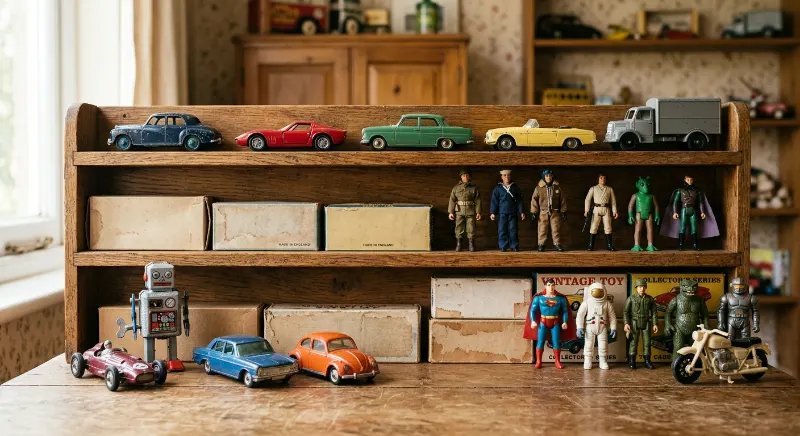
Old toys can interest collectors who want childhood favorites, discontinued playsets, or items from popular franchises. Complete sets and original packaging can improve appeal, but missing parts, damage, and heavy wear may lower the selling price.
- Check for missing pieces and broken parts.
- Keep original boxes if you have them.
- Research the toy’s age and maker.
Example: A complete vintage toy set may be more appealing to a collector than the same set with several missing pieces.
10. Vintage Cars and Automotive Memorabilia
Classic cars can be expensive collectibles, but you can also explore smaller items such as old car badges, model vehicles, vintage signs, and original manuals. These items may suit beginners better because they need less storage space and usually cost less to handle.
- Check the maker, age, and condition.
- Research recent sales of similar items.
- Include clear photos of any damage.
Example: Someone who cannot afford a classic car might start by selling collectible model cars or original automotive brochures.
11. Collectible Sneakers and Limited Releases
Some sneakers attract collectors because of limited releases, special collaborations, popular designs, or cultural significance. However, resale prices change with fashion trends and supply. Authenticity matters, and heavily worn pairs may sell for much less than clean, complete pairs.
- Confirm authenticity before listing.
- Photograph the soles, labels, and overall condition.
- Keep original boxes and spare laces.
Example: A limited-release pair in its original box may appeal to a sneaker collector who wants that specific model.
12. Vintage Dolls and Doll Accessories
Vintage dolls can attract collectors who look for particular makers, historical designs, rare editions, or complete outfits. Accessories, original packaging, and well-preserved hair and clothing can influence demand. Check the doll carefully before assuming that its age makes it valuable.
- Identify the maker and model.
- Check clothing, accessories, and markings.
- Compare prices for similar dolls.
Example: A doll with its original outfit and accessories may interest collectors more than one with replacement clothing.
13. Vinyl Records and Vintage Music Collectibles
Vinyl records offer another option for people who want to sell collectibles from home. First pressings, unusual editions, rare albums, and records by popular artists can attract buyers. The condition of both the record and its sleeve affects interest and price.
- Check the artist, album, and pressing.
- Inspect records for scratches and warping.
- Store them upright in protective sleeves.
Example: A sought-after album in excellent condition may sell more easily than a common record with deep scratches.
Where Can You Sell Collectibles for Money?
The best place to sell depends on the item, its value, shipping needs, and the buyers you want to reach. Start by researching a few platforms instead of listing everything everywhere. Remember to check seller fees, payment rules, and shipping costs.
For an online selling idea beyond collectibles, see things to sell on Etsy. Check the marketplace’s current rules to confirm that your specific item is allowed.
- eBay: Useful for researching sold listings and reaching collectors in different locations.
- Etsy: May suit eligible vintage items and handmade or craft-related products; check its current eligibility rules.
- Facebook Marketplace: Can help you find local buyers for suitable items.
- Specialist collector groups: May connect you with people who understand a particular category.
- Local antique or collectible shops: Can offer a direct selling option, although the shop may pay less than a retail price.
How Do You Value a Collectible?
Before you set a price, research the exact item rather than relying on the highest asking price you can find. An asking price shows what a seller wants, not what a buyer has actually paid.
- Identify the item, brand, edition, and model.
- Search for completed or sold listings of matching items.
- Compare condition, packaging, and included accessories.
- Estimate fees, postage, packing materials, and other costs.
- Set a realistic price based on the evidence you find.
Example: If similar items sold for $40, $45, and $50, a listing priced at $150 may struggle to attract buyers unless your item has a special feature.
Remember that a sale price is not the same as profit. Your profit is what remains after the selling costs and the amount you paid for the item.
How Can You Sell Collectibles Without Losing Money?
Selling an item for a good price takes more than finding a buyer. You also need to protect your profit, describe the item honestly, and avoid common marketplace problems. These steps can help you make better decisions before accepting an offer.
- Calculate the fees and shipping costs before listing.
- Use clear photos and describe flaws honestly.
- Choose a payment method that protects both parties.
- Keep records of sales and related expenses.
You can also read these money-saving tips to learn ways to manage your budget while building a small resale side hustle.
What Should Beginners Sell First?
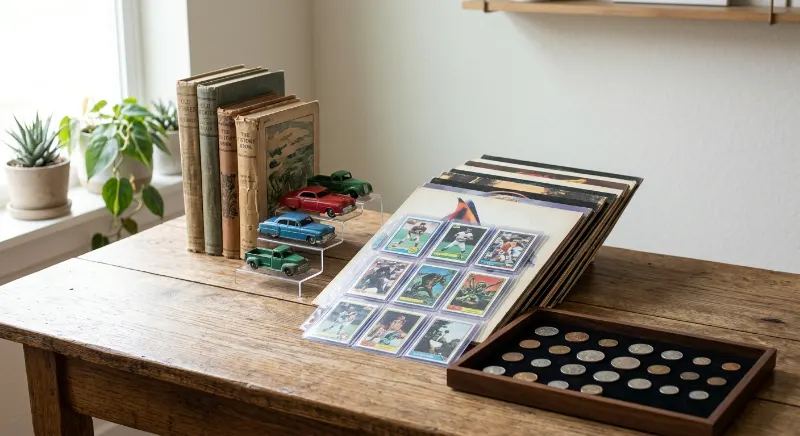
Beginners often do best when they start with items they already own. This approach lets you learn how pricing, listing photos, and buyer messages work without spending much money upfront.
- Start with three to five items you already own.
- Research their sold prices before creating listings.
- Track each item’s sale price and total costs.
Example: If you have old books and video games at home, list a few items first. Use the results to learn which products attract interest before buying more stock.
For another way to earn online without selling physical products, explore how to become a Pinterest virtual assistant. It can help you compare resale work with a service-based side hustle.
Common Mistakes to Avoid When Selling Collectibles
Small mistakes can lower your selling price or make buyers lose trust. Take time to check each item and write an accurate listing. You do not need expensive tools to start, but you do need careful research.
- Assuming age means value: Old items can still have little demand.
- Ignoring condition: Damage and missing parts can reduce interest.
- Using poor photos: Buyers need clear views of the actual item.
- Copying high asking prices: Check completed sales instead.
- Forgetting selling costs: Fees and shipping can reduce your profit.
- Buying too much stock: Test demand before spending more money.
If you want to sell items regularly, treat it like a small business. Keep a simple record of purchases, sales, and expenses so you can see whether the work is worth your time.
Frequently Asked Questions
1. What collectibles are easiest to sell for money?
Common starting points include books, video games, trading cards, vintage toys, and vinyl records. The easiest item to sell depends on local demand, condition, price, and the number of interested buyers.
2. How can I find collectibles in my own home?
Check storage boxes, cupboards, old collections, bookshelves, and unused electronics. Look for original packaging, limited editions, and items in good condition. Research each item before deciding whether it is worth selling.
3. Are old collectibles always valuable?
No. Age alone does not determine value. Rarity, condition, authenticity, and demand matter more. Some modern collectibles can sell for more than older items if buyers actively want them.
4. Do I need to pay money to start selling collectibles?
No. You can begin with items you already own. However, online marketplaces may charge listing or selling fees, and some items require packing materials or shipping costs. Check these expenses before listing.
5. How do I know if a collectible is rare?
Look up the item’s maker, edition, model, production details, and recent sales. Compare it with similar items and consult a specialist when necessary. For potentially valuable coins, stamps, artwork, or signed items, professional authentication may be worthwhile.
Conclusion
Selling collectibles can help you earn extra money from items you no longer need. Start with things you already own, research their value, and choose a suitable place to sell them. Keep your costs low and focus on items buyers actually want.
Which collectibles might be hiding in your home right now? Pick three items, research their prices, and decide which one you want to list first.


- Be Respectful
- Stay Relevant
- Stay Positive
- True Feedback
- Encourage Discussion
- Avoid Spamming
- No Fake News
- Don't Copy-Paste
- No Personal Attacks
- Be Respectful
- Stay Relevant
- Stay Positive
- True Feedback
- Encourage Discussion
- Avoid Spamming
- No Fake News
- Don't Copy-Paste
- No Personal Attacks
